
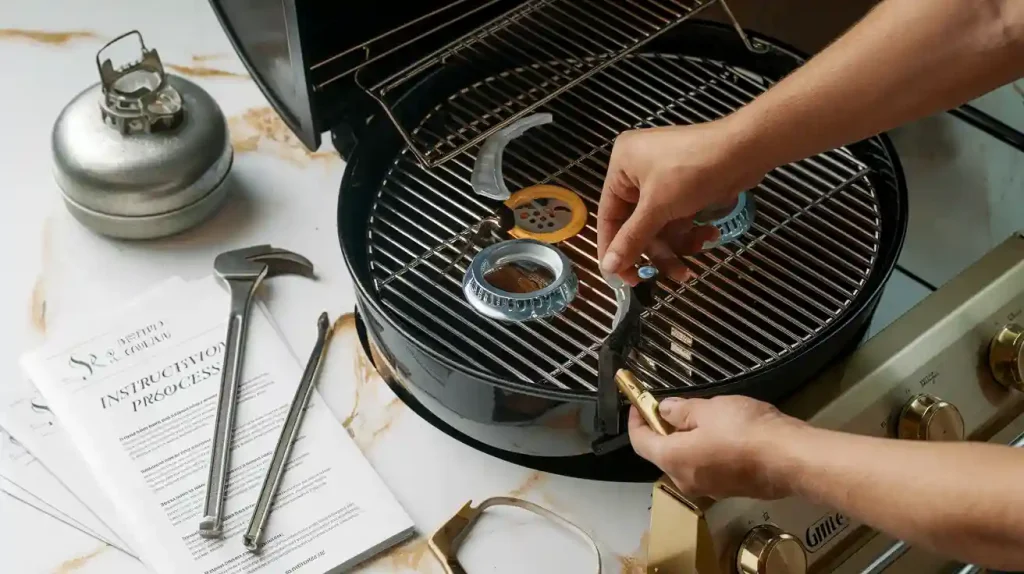
Have you ever wondered if you can turn your gas grill into a charcoal one? If you love the smoky flavor that only charcoal brings, but already own a gas grill, this question might be on your mind.
You’re not alone. Many grill enthusiasts want the best of both worlds without buying a whole new setup. You’ll discover whether it’s possible to convert your gas grill to charcoal, what you need to know before making the switch, and how to do it safely.
Keep reading—you might be closer to that perfect backyard barbecue than you think!
Credit: www.siuhaau.com
Benefits Of Charcoal Grilling
Charcoal grilling offers a unique way to cook food outdoors. Many people wonder if they can change their gas grill to charcoal.
Using charcoal gives different flavors and control over heat. It also affects the cost of grilling.
Flavor Differences
Charcoal grills create a smoky taste that gas grills cannot match. The smoke from burning charcoal adds rich flavors to your food.
Gas grills cook food fast but lack the deep smoky flavor charcoal provides. Many grill lovers prefer charcoal for this reason.
Heat Control
Charcoal grills give you more control over heat by moving coals around. You can create hot and cool zones for cooking different foods.
Gas grills use knobs to control flames, but they do not offer the same flexibility as charcoal. Charcoal lets you adjust heat by adding or spreading coals.
- Push coals together for high heat
- Spread coals for low heat
- Add more charcoal to increase temperature
- Remove ashes to keep airflow steady
Cost Considerations
Charcoal grills usually cost less upfront than gas grills. Charcoal fuel can be cheaper but may need to be bought more often.
Gas grills use propane or natural gas, which can cost more over time. Charcoal is easy to find and store, making it a budget-friendly choice.
Assessing Your Gas Grill
Changing a gas grill to charcoal can be tricky. You must check your grill carefully first. Knowing your grill’s features helps decide if the change is safe and possible.
Look at the size, design, and materials. Also, think about safety before starting any changes. These points guide you to make the right choice.
Grill Size And Design
Grills come in many sizes and shapes. A big grill might fit charcoal better than a small one. Some designs allow easy changes, while others do not.
Check if the grill has space for charcoal and air flow. Charcoal needs good air to burn well. A grill with a tight lid and vents works best.
- Measure the cooking area inside the grill
- Look for vents or openings for air flow
- See if the lid can close tightly
Material Compatibility
Gas grills use different materials than charcoal grills. Charcoal gets hotter and may damage some parts. Make sure your grill can handle high heat.
Steel and cast iron are good for charcoal heat. Thin metals or plastic parts may melt or warp. Check if the grill parts can take strong heat and sparks.
- Look for steel or cast iron grates
- Avoid plastic knobs or handles near heat
- Check if the body is metal and thick enough
Safety Factors
Safety is very important when changing a grill. Gas parts must be removed carefully. Charcoal burns with open flames and needs safe handling.
Make sure the grill stands stable and away from flammable items. Also, check if vents and ash collectors are safe to use. Use gloves and tools made for hot charcoal.
- Remove gas lines and valves properly
- Keep grill on a flat, stable surface
- Clear area from flammable materials
- Use heat-resistant gloves and tools
Conversion Methods
Converting a gas grill to charcoal can change your cooking style. There are several ways to make this switch. Each method lets you enjoy charcoal grilling in a gas grill body.
Choose the method that fits your skills and grill type. Safety and heat control are key to good results.
Using Charcoal Trays
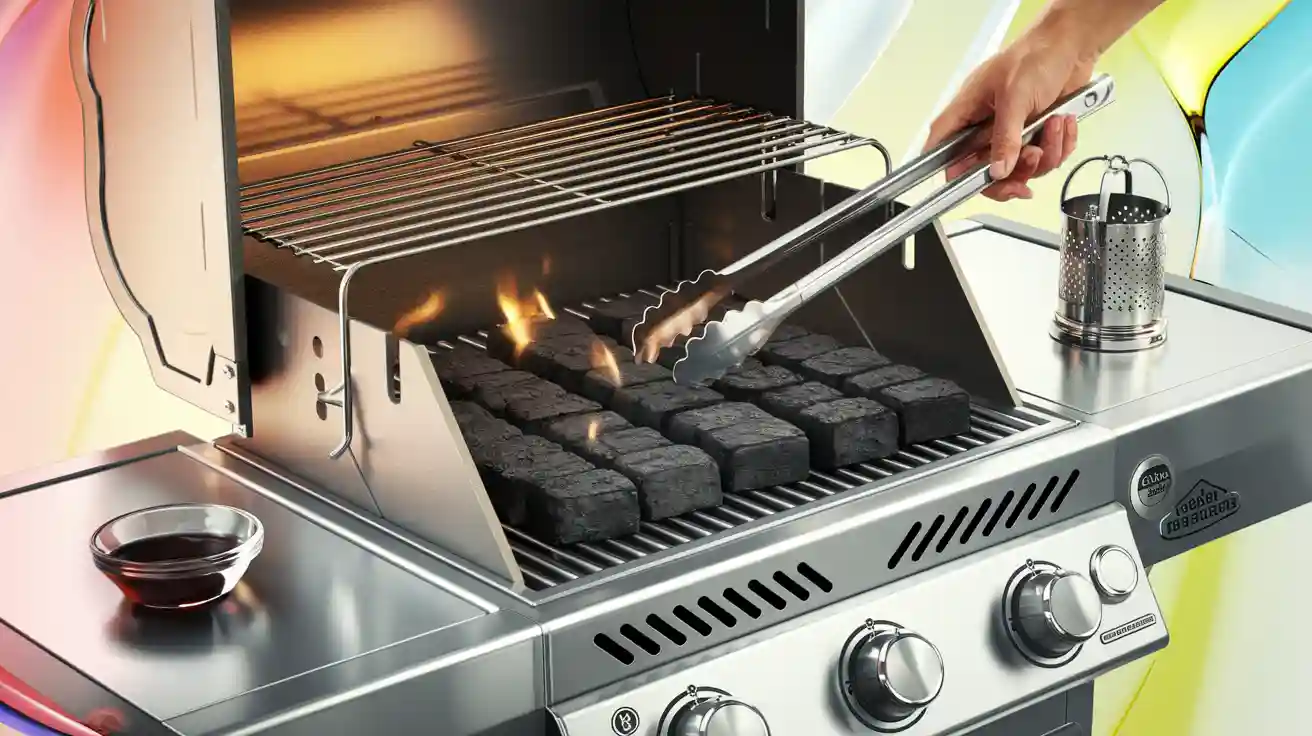
Charcoal trays fit inside the gas grill where burners sit. They hold the charcoal safely while allowing air flow. This method is easy and needs little change to the grill.
- Remove gas burners before placing the tray.
- Place the charcoal tray securely on the grill frame.
- Fill the tray with charcoal briquettes or lump charcoal.
- Light the charcoal using chimney starters or firelighters.
- Adjust the grill lid and vents for proper air flow.
Building A Charcoal Basket
A charcoal basket holds charcoal in a tight space for better heat control. You can build one using metal mesh or sheet metal. This method works well for grills without a charcoal tray.
| Material | Purpose |
| Metal mesh | Allows air flow and holds charcoal |
| Sheet metal | Blocks wind and contains heat |
| Handles or hooks | For easy removal and adjustment |
After building the basket, place it on the grill grate and add charcoal. This basket helps keep charcoal in place and improves heat distribution.
Diy Charcoal Grate Installation
You can add a charcoal grate to your grill by replacing the gas burner area. A charcoal grate holds the charcoal above the ash pan. This method requires some tools and measuring.
- Measure your grill’s burner area dimensions.
- Find or cut a metal grate that fits those dimensions.
- Remove gas parts from the grill.
- Install the charcoal grate firmly in place.
- Place charcoal on the grate and light it safely.
Credit: www.siuhaau.com
Tools And Materials Needed
Changing a gas grill to charcoal lets you enjoy smoky flavors. You need the right tools and materials for this job.
This guide lists what you need to get started safely and easily.
Essential Equipment
You need some basic tools to remove gas parts and set up charcoal grilling. Most tools are common in home toolkits.
- Adjustable wrench to disconnect gas lines
- Screwdrivers (flathead and Phillips) for screws
- Pliers to grip and twist small parts
- Wire brush to clean grill grates and surfaces
- Metal grate or charcoal basket to hold charcoal
- Heat-resistant gloves for safety
- Drop cloth or newspaper to protect surfaces
Remove all gas components carefully before adding charcoal parts. Wear gloves to avoid burns or cuts.
Recommended Accessories
These accessories help improve your charcoal grilling experience. They are not required but make cooking easier.
- Charcoal chimney starter for quick, even lighting
- Long-handled tongs to move charcoal safely
- Grill thermometer to check cooking temperature
- Fire extinguisher for safety
- Drip pan to catch ashes and grease
- Cover to protect your grill from weather
These items help keep your grill clean and make cooking safer and more controlled.
Step-by-step Conversion Process
Converting a gas grill to charcoal lets you enjoy traditional grilling flavors. This process requires careful removal of gas parts and adding charcoal features.
Follow these clear steps to change your gas grill into a charcoal grill safely and effectively.
Removing Gas Components
Start by disconnecting the propane tank and turning off all gas valves. Remove the gas burners, gas tubes, and ignition system carefully.
- Turn off the gas supply and unplug ignition wires.
- Unscrew and take out the burners and gas tubes.
- Remove the control knobs from the front panel.
- Check inside for any remaining gas parts and remove them.
- Clean the grill base to remove grease or debris.
Installing Charcoal Setup
Next, set up the charcoal grate and prepare the grill for charcoal use. This setup holds the charcoal and allows air flow for good burning.
| Component | Purpose | Notes |
|---|---|---|
| Charcoal grate | Holds charcoal above bottom | Must fit grill size |
| Ash catcher | Collects ash for easy cleaning | Check for compatibility |
| Vent holes | Allow airflow to control heat | Adjustable vents preferred |
Place the charcoal grate inside the grill where the burners used to be. Add an ash catcher below if your grill does not have one.
Testing And Adjustments
Before cooking, test the grill to ensure proper airflow and stable setup. Adjust vents and charcoal placement as needed.
- Light a small amount of charcoal to check airflow.
- Adjust vent openings to control heat levels.
- Ensure the grill lid fits well to keep heat inside.
- Make sure the grill is stable and safe to use.
Maintenance Tips For Converted Grill
Converting a gas grill to charcoal can bring a new flavor to your cooking. Proper care helps your grill last longer. Regular maintenance keeps it safe and efficient.
This guide covers key tips for cleaning, preventing damage, and storing your converted charcoal grill. Follow these steps to protect your investment.
Cleaning Charcoal Residue
Charcoal leaves ash and residue that can clog vents and affect heat. Clean the grill after each use to keep it working well.
- Remove ashes and leftover charcoal from the grill bowl.
- Scrub grates with a stiff wire brush to remove stuck food and soot.
- Wipe down the inside with a damp cloth to clear fine dust.
- Empty the ash catcher if your grill has one.
Preventing Rust And Damage
Charcoal grills face more rust risk than gas grills. Moisture and heat cause metal parts to weaken. Take steps to protect your grill.
| Action | Purpose |
| Apply high-heat grill paint | Protects metal surfaces from rust |
| Oil grill grates after cleaning | Prevents food from sticking and rust forming |
| Cover grill with waterproof cover | Keeps moisture out when not in use |
| Check screws and bolts regularly | Ensures grill parts stay tight and safe |
Storage Advice
Proper storage keeps your grill ready for the next cookout. Avoid damage from weather and pests.
- Store the grill in a dry place like a garage or shed.
- Use a grill cover to protect from dust and rain.
- Remove charcoal and ashes before storing.
- Keep vents closed to prevent insects and animals from entering.
- Check the grill monthly for signs of wear or rust.
Common Challenges And Solutions
Changing a gas grill into a charcoal grill is not simple. It brings some challenges you need to solve. Knowing common problems helps you prepare better.
This guide explains key issues like heat distribution, smoke, and changes to the grill’s structure. It also offers practical solutions.
Heat Distribution Issues
Gas grills have burners that spread heat evenly. Charcoal grills use coals, which can create hot and cool spots. This uneven heat can make cooking harder.
- Use a charcoal basket to hold coals in one place.
- Spread coals evenly under the cooking area.
- Add more coals to hotter spots to balance temperature.
- Adjust the grill vents to control airflow and heat.
Smoke Management
Gas grills do not produce smoke like charcoal grills do. Smoke is important for flavor but can be hard to control after conversion.
| Challenge | Solution |
| Too much smoke | Open vents to increase airflow |
| Smoke escapes too fast | Close lid gently to hold smoke inside |
| Uneven smoke flow | Rearrange charcoal for steady burn |
| Lid not sealing well | Add heat-resistant gasket to seal |
Structural Modifications
You must change parts of the grill to use charcoal. Gas burners and fuel lines need removal. The grill body may need strengthening for charcoal heat.
Common structural changes include:
- Removing gas tubes and valves
- Installing a charcoal grate or basket
- Adding heat shields to protect metal parts
- Reinforcing the grill frame if needed
- Checking for safe airflow paths

Credit: www.smokedbbqsource.com
Alternative Options
Changing a gas grill to charcoal can be tricky. Many people look for easier ways to enjoy charcoal cooking.
There are different grill types and solutions that offer the taste and feel of charcoal grilling.
Hybrid Grills
Hybrid grills let you use gas or charcoal in one unit. You can switch between fuel types anytime.
These grills offer flexibility and save space. You do not need to buy separate grills.
- Gas mode for quick cooking
- Charcoal mode for smoky flavor
- Easy to clean and maintain
Separate Charcoal Grills
Using a separate charcoal grill is simple and effective. You keep your gas grill as it is.
This option avoids complicated conversions. You get the authentic charcoal taste every time.
- Variety of sizes and styles
- Easy to start with charcoal or briquettes
- Portable and backyard-friendly options
Portable Charcoal Solutions
Portable charcoal grills are small and easy to carry. Great for picnics, camping, or tailgating.
They offer charcoal flavor on the go. Perfect if you want flexibility and convenience.
- Lightweight and compact design
- Simple setup and cleanup
- Ideal for small groups and quick meals
Frequently Asked Questions
Can You Convert A Gas Grill To Charcoal Easily?
Yes, you can convert a gas grill to charcoal, but it requires modifications. Remove gas components and add a charcoal tray or basket. Ensure proper ventilation and heat control for safety and effective grilling.
What Tools Are Needed To Convert A Gas Grill?
You need basic tools like a screwdriver, pliers, and a drill. Also, have a charcoal tray or basket, heat-resistant gloves, and possibly a metal cutting tool for adjustments.
Is Converting A Gas Grill To Charcoal Cost-effective?
Converting can save money compared to buying a new charcoal grill. However, costs vary based on the grill model and required modifications. Assess your grill’s condition before deciding.
Will Converting Affect Grill Safety Or Performance?
Proper conversion maintains safety and performance. Poor modifications can cause gas leaks or uneven heat. Follow instructions carefully and ensure stable charcoal placement for best results.
Conclusion
Converting a gas grill to charcoal can be done with some effort. It takes time, tools, and care to do it safely. Charcoal gives a different flavor that many enjoy. This change lets you cook in a new way. Keep in mind, not all grills work well for conversion.
Always follow safety steps to avoid accidents. Choose what fits your taste and needs best. Enjoy the process and happy grilling!