

Have you ever found yourself doubting the accuracy of your digital meat thermometer? You’re not alone.
Many home cooks and grilling enthusiasts wonder if their trusty gadget is giving them the true temperature reading they need for perfectly cooked meals. The question is, can you calibrate a digital meat thermometer to ensure it’s as precise as possible?
Understanding how to calibrate your thermometer could be the secret ingredient to transforming your cooking experience. Imagine the satisfaction of serving a juicy steak or a well-cooked roast, knowing it’s cooked to perfection because your thermometer is spot-on. Dive into this article to discover how you can take control of your cooking precision and elevate your culinary skills.

Credit: www.amazon.com
Why Calibration Matters
Calibrationensures your digital meat thermometer shows the correct temperature. This is importantbecause even a small error can change cooking results.
Incorrect readings may cause meat to be undercookedor overcooked. Undercooked meat can be unsafe and cause foodborne illness. Overcooked meat can be dry and lose flavor.
Food safetydepends on reaching the right temperature. Proper calibration helps you trust the thermometer. This keeps your meals safe and tasty.
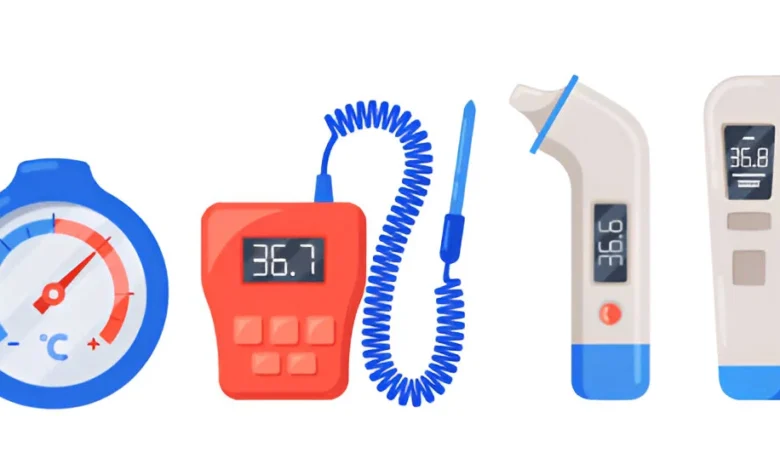
Types Of Digital Meat Thermometers
Instant-read thermometersgive quick temperature readings. They are handheld and used only for a short time. These are perfect for checking meat doneness fast. You insert the probe into the meat and get a reading in seconds. They are not left in the meat while cooking.
Leave-in thermometersstay inside the meat during cooking. They have long probes and often come with a dial or digital display outside the oven. These thermometers help monitor temperature without opening the oven door. They are useful for slow cooking or roasting.
Tools Needed For Calibration
To calibrate a digital meat thermometer, some basic tools are needed. The two common methods use simple items found at home or kitchen.
Ice Water Method
Fill a glass with ice cubes and cold water. Stir the water well. Insert the thermometer probe into the ice water without touching the glass sides. Wait for the reading to stabilize. The thermometer should read close to 32°F (0°C). If not, adjust it according to the device instructions.
Boiling Water Method
Boil fresh water in a pot. Once boiling, place the thermometer probe into the water. Avoid touching the pot bottom or sides. The thermometer should show 212°F (100°C)at sea level. If the reading is off, make necessary adjustments. Note that boiling temperature changes with altitude.
Credit: sts-calibration.com
Step-by-step Calibration Process
Fill a glass with ice and cold water. Stir well to make the temperature even. Insert the thermometer probe into the ice water, avoiding contact with the glass sides. Wait until the reading stops changing. It should read close to 32°F (0°C). If not, adjust the thermometer according to the manual.
Boil water in a pot. Place the thermometer probe into the boiling water without touching the pot’s bottom or sides. Let the reading stabilize. It should show about 212°F (100°C). If it differs, calibrate using the device’s adjustment feature.
| Step | Ice Water Calibration | Boiling Water Calibration |
|---|---|---|
| Prepare | Fill glass with ice and cold water | Boil water in a pot |
| Insert Probe | Place probe in ice water, avoid glass sides | Place probe in boiling water, avoid pot sides |
| Wait | Wait for stable reading near 32°F (0°C) | Wait for stable reading near 212°F (100°C) |
| Adjust | Adjust thermometer if needed | Adjust thermometer if needed |
Troubleshooting Calibration Issues
Common errors can affect the accuracy of a digital meat thermometer. Dirt or grease on the probe can give wrong readings. A low battery may cause the screen to flicker or show strange numbers. Avoid using the thermometer in very hot or cold environments outside its range. Dropping the device may damage its internal parts.
Some signs show when to replace your thermometer. If the display stays blank after changing the battery, it may be broken. The numbers jump around a lot or do not settle on one reading. The probe feels loose or bent. The thermometer fails to calibrate even after trying several times.

Credit: www.amazon.com
Tips For Maintaining Accuracy
Keeping your digital meat thermometer accurate needs regular calibration. Check it at least once a month. Use ice water or boiling water to test its reading. Adjust the thermometer if it shows the wrong temperature. This helps avoid cooking mistakes.
Proper carealso protects your thermometer. Clean it after each use with warm, soapy water. Avoid soaking the whole device. Store it in a dry place to stop damage. Replace batteries when the display dims. These steps keep your thermometer working well for a long time.
Frequently Asked Questions
Can You Calibrate A Digital Meat Thermometer At Home?
Yes, you can calibrate a digital meat thermometer at home using ice water or boiling water methods. This ensures accurate temperature readings for safe cooking.
How Often Should I Calibrate My Digital Meat Thermometer?
Calibrate your digital meat thermometer every few months or if you notice inconsistent readings. Regular calibration maintains precision and food safety.
What Is The Easiest Way To Calibrate A Digital Meat Thermometer?
The easiest way is the ice water method. Insert the probe in ice water and adjust the reading to 32°F (0°C).
Can Calibration Errors Affect Cooking Results?
Yes, calibration errors can cause undercooked or overcooked food. Proper calibration ensures accurate temperature and safe, tasty meals.
Conclusion
Calibrating your digital meat thermometer keeps your cooking accurate. It helps you trust the temperature readings every time. Regular checks prevent mistakes and ensure food safety. Calibration is simple and saves money in the long run. A well-calibrated thermometer makes cooking easier and more enjoyable.
Keep your device reliable by calibrating it often. This small step improves your meals and confidence in the kitchen. Remember, accuracy matters for perfect results and safe food.