
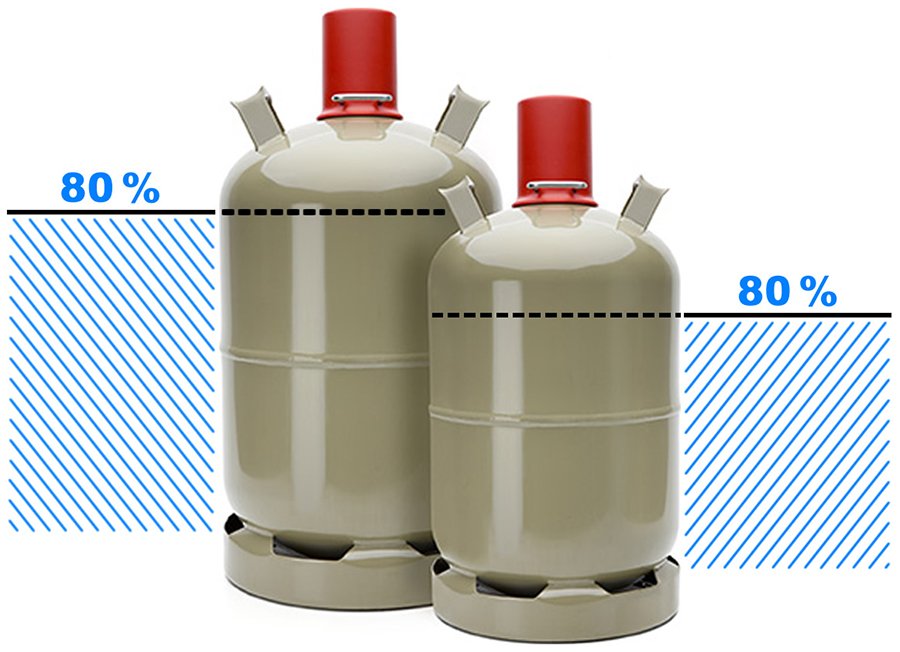
Have you ever wondered if your propane tank can explode when it gets hot? If you store or use propane, this question is probably on your mind.
Understanding how heat affects propane tanks isn’t just useful—it could keep you and your loved ones safe. You’ll discover the truth about propane tanks and heat, learn what signs to watch for, and find out how to protect your home from potential dangers.
Keep reading to get clear answers that could make a big difference in your safety.
How Propane Tanks React To Heat
Propane tanksget hotter as the outside temperature rises. This causes the pressure insideto increase. The propane turns from liquid to gas, pushing harder on the tank walls. Tanks have a pressure relief valveto release gas if the pressure gets too high.
The metal of the tank can only handle so much stress. If the tank gets too hot, the metal may weaken. Stress pointslike welds or scratches are more likely to fail. That can cause leaks or, in rare cases, an explosion.
| Factor | Effect |
|---|---|
| Heat | Increases pressure inside the tank |
| Pressure Relief Valve | Releases gas to reduce pressure |
| Material Limits | Metal weakens with high heat |
| Stress Points | Possible leak or failure spots |
Credit: www.forthepeople.com
Factors Increasing Explosion Risks
Exposure to direct sunlightheats propane tanks quickly. This causes pressure inside the tank to rise. Too much pressure can cause dangerous leaks or explosions. Tanks should be kept in shaded areas to stay cool.
Improper tank storageincreases risk. Storing tanks near heat sources or indoors can raise temperature. Tanks must be stored upright and away from flames or sparks.
Faulty or damaged equipmentcan lead to leaks. Cracks, rust, or broken valves let gas escape. Escaping gas can ignite and cause explosions. Regular checks and repairs are vital to safety.
Signs Of A Potentially Dangerous Tank
Unusual hissing soundsnear a propane tank can signal a leak. Leaks release gas, which is very dangerous. Check carefully if you hear this sound. Also, a smell of gasaround the tank is a warning sign.
Bulging surfaceson a propane tank show pressure build-up inside. This can be very risky. Rust spots or corrosion make the tank weaker and more likely to fail. Rust can cause small holes for gas to escape.
- Listen for hissing or unusual noises
- Notice any gas smell near the tank
- Look for bulges or swelling on the tank
- Check for rust or corrosion on the surface
Safety Measures To Prevent Explosions
Proper tank placementis key to avoid heat risks. Tanks should be stored in cool, shaded areasaway from direct sunlight. Keep them on flat surfacesto prevent tipping. Always place tanks uprightto keep valves safe.
Regular inspections and maintenancekeep tanks safe. Check for rust, leaks, or dents. Ensure valves and connections are tight. Replace damaged parts quickly to avoid problems.
Use only approved storage containers. These containers are made to handle pressureand high temperatures. Never store propane in old or damaged tanks. Proper containers reduce explosion risks.
What To Do In Case Of Overheating
Move awayfrom the propane tank immediately. Call emergency servicesright away. Do not try to cool the tank with water. Avoid using flames or sparks near the tank. Keep others at a safe distance. If safe, turn off the propane supply valve. Stay upwind to avoid inhaling fumes. Do not attempt to fix the tank yourself. Wait for trained professionals to arrive. Follow all instructions from emergency responders.
| Emergency Contact | Phone Number |
|---|---|
| Fire Department | 911 |
| Gas Company | 1-800-555-1234 |
| Poison Control | 1-800-222-1222 |

Credit: www.reddit.com
Myths Vs Facts About Propane Tank Explosions
Propane tanksare built to be very safe. They have strong metal walls and safety valves. These valves release pressure if the tank gets too hot. This stops the tank from bursting or exploding.
Extreme heat alone does not make propane tanks explode. The tank must be damaged or have a leak for an explosion to happen. Fire near a tank can cause it to get very hot, but the tank usually vents gas safely.
- Propane tanks are tested to handle high pressure and heat.
- Direct flames can damage tanks, increasing risk.
- Proper storage in shade lowers heat exposure.
- Never store tanks in a closed, hot place like a car trunk.
Credit: pesacheck.org
Frequently Asked Questions
Can Propane Tanks Explode From High Temperatures?
Propane tanks can explode if exposed to extreme heat. High temperatures increase internal pressure, risking tank rupture. Proper storage away from direct sunlight and heat sources reduces explosion risk significantly.
How Hot Can A Propane Tank Safely Get?
Propane tanks are designed to handle temperatures up to 120°F (49°C). Beyond this, pressure relief valves activate to prevent explosions. Avoid placing tanks in enclosed, hot areas to maintain safety.
What Safety Measures Prevent Propane Tank Explosions?
Safety measures include regular inspections, proper ventilation, and keeping tanks away from heat. Pressure relief valves also release excess pressure safely. Following manufacturer guidelines ensures propane tank safety.
Does Direct Sunlight Cause Propane Tanks To Explode?
Direct sunlight heats propane tanks, increasing pressure inside. However, tanks have safety valves to release pressure before explosions. Avoid prolonged sun exposure to minimize risks and maintain tank integrity.
Conclusion
Propane tanks rarely explode in heat. Proper care keeps them safe. Make sure they stay cool. Avoid leaving them in direct sunlight. Store them in shaded areas. Check for leaks regularly. Safety precautions are crucial. Handle tanks with care. Keep children away from tanks.
Use tanks as instructed. Be alert to any unusual smells. Propane safety is vital. Understanding risks prevents accidents. Enjoy outdoor activities with peace of mind. Safety measures protect you and your family. Stay informed and cautious. Follow guidelines to ensure safety.
Propane tanks are safe with proper care.