
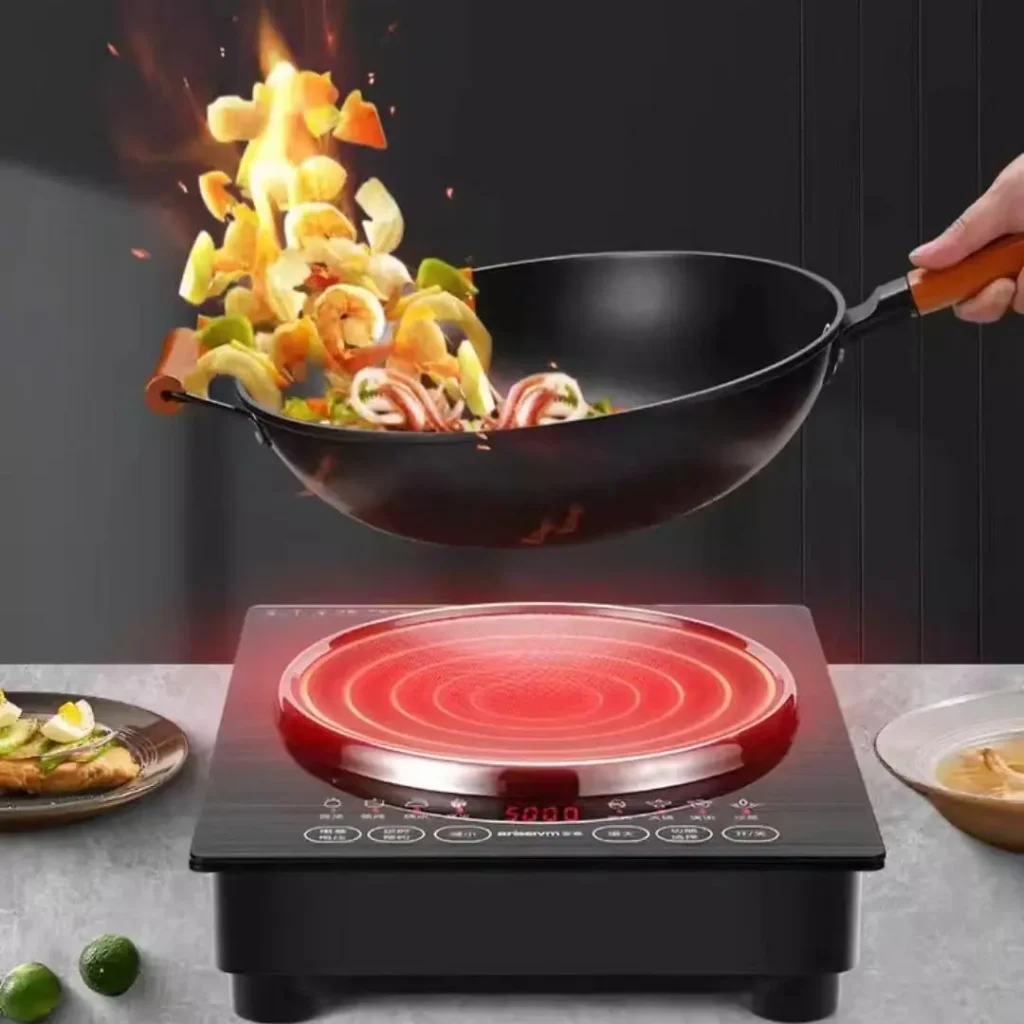
You’re standing in your kitchen, gazing at your sleek set of induction cookware. They’re shiny, modern, and, as you might have heard, quite the game-changer for cooking.
But there’s one question nagging at you: Can these sophisticated pots and pans work on a traditional gas stove? It’s a query that not only sparks curiosity but also a bit of concern. After all, you want to make the most of your investment without compromising on culinary performance.
This article is here to put your mind at ease and unravel the mystery surrounding induction cookware on gas stoves. Imagine the freedom of using your favorite kitchen tools across different heat sources, without the fear of damaging them or wasting their potential. You deserve to know how versatile your cookware truly is, and by the end of this read, you’ll have the confidence to make informed decisions in your kitchen. So, let’s dive in and explore the possibilities together.
Understanding Induction Cookware
Induction cookware often uses magnetic materials. Stainless steel and cast iron are common. These materials help in heating quickly. Some pans have aluminum or copper cores. This improves heat distribution. Not all cookware is suitable for induction. Non-magnetic materials won’t work on induction. Check for magnetic properties before using on induction.
Induction cookware has flat bottoms. This helps in even heating. The design is often sleek and modern. Handles may stay cool to the touch. Some pans come with heat indicators. These show when the pan is hot. Many induction pans have heavy bases. This prevents wobbling on stoves. Always look for a smooth finish. It ensures easy cleaning.

Credit: stahlkitchens.com
Differences Between Induction And Gas Cooktops
Heat Source Variationsare significant between induction and gas cooktops. Gas cooktops use a flame for heat. Induction cooktops use magnets for heat. This makes induction cooktops safer. No open flame means less risk of fire.
Cooking Surface Characteristicsalso differ. Gas cooktops have metal grates. Pots sit on these grates. Induction cooktops have smooth glass surfaces. Pots must be magnetic to work. This keeps the surface clean and easy to wipe.
Compatibility With Gas Stoves
Induction cookware is usually made of magnetic materials. Common choices include stainless steel and cast iron. These materials are durableand can handle gas heat well. Aluminum and copper, however, may not be suitable. They often have a special magnetic layer for induction cooking. Without this layer, they won’t work well on gas stoves.
Induction cookware performs efficientlyon gas stoves. Gas flames heat the cookware directly. This makes cooking fast and effective. The heat spreads evenly across the surface. It can be adjusted easily by changing the flame. The cookware’s design ensures meals are cooked uniformly. This makes it a good choice for gas stove users.
Benefits Of Using Induction Cookware On Gas
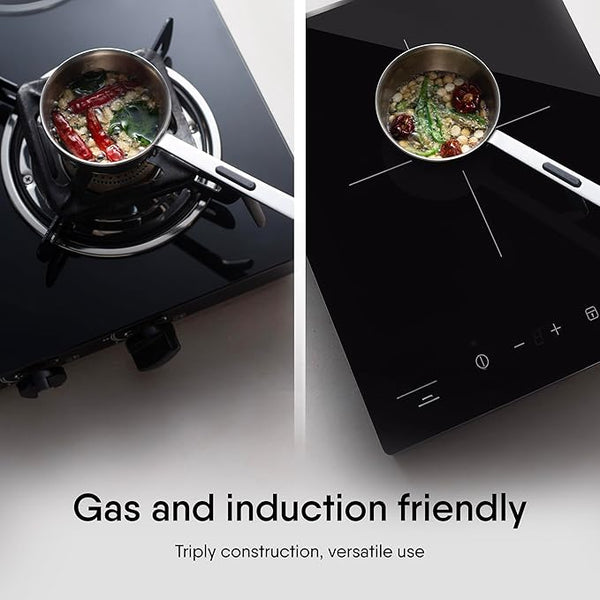
Induction cookware is versatile. It works on both induction and gas. This flexibility allows for different cooking styles. Many people enjoy this versatility. You can switch between heat sources easily. It’s great for various recipes. Cookware adapts to your needs. Some pots and pans are designed for both stoves. You don’t need to buy separate sets. This saves money and space in the kitchen.
Induction cookware is made to last. It is durableand strong. Many pieces are built with quality materials. They can withstand high heat. Induction pots and pans often have a solid base. This helps in cooking evenly. Good cookware doesn’t bend or warp easily. It stays in shape even after many uses. Investing in durable cookware is wise. It stays with you for a long time.
Potential Drawbacks
Using induction cookware on gas stoves might lead to uneven heating or damage. Some induction pans are specially designed and may not withstand open flames, reducing their lifespan. Frequent use on gas can also cause discoloration or warping of the cookware.
Heat Distribution Issues
Using induction cookware on gas can lead to uneven heat. The cookware is made for magnetic fields, not flames. This may cause some food to cook faster. Other parts of the dish might cook slower. Cooking can become tricky. Pots and pans might not heat up evenly. Burning or undercooking food is possible. It might not be the best choice for precise cooking.
Wear And Tear
Induction cookware on gas can face damage. Flames can change the bottom. Scratches may appear from direct flame contact. This might shorten the cookware’s life. Handles can get hotter than expected. This can cause discomfort or burns. Cleaning becomes harder when the cookware is damaged. Replacing cookware might be needed sooner. It is essential to be careful. The cookware may lose its shine and smoothness.
Tips For Using Induction Cookware On Gas
Induction cookware can work on gas stoves. Use them with care. Avoid high heat. It can harm the cookware. Always keep the flame low to medium. This protects the base. Check for scratches on your cookware. Replace if you find any. Scratches can cause damage. Use soft sponges for cleaning. Hard ones may scratch the surface. Store your cookware safely. This prevents any dents.
To get good results, follow these tips. Preheat your pan before cooking. This ensures even cooking. Use the right size burner for your pan. It helps in even heat distribution. Stir food often while cooking. This prevents burning. Keep an eye on the food. Adjust the flame as needed. Low flame is often best. Enjoy safe and tasty meals!
Alternatives To Induction Cookware
Cast iron pans are great. They work well on gas stoves. They heat evenly. Stainless steel pots are another choice. They are strong and last long. Some people like copper cookware. It heats quickly. But, it can be pricey. Aluminum pans are light. They are easy to handle. Not as durable as others.
Hybrid cookware blends different materials. Some mix stainless steel and aluminum. This makes them strong and light. Some pans have a non-stick coating. It helps food not stick. Easy to clean. Choose hybrid for versatility.
Credit: stahlkitchens.com
Credit: www.whirlpool.com
Frequently Asked Questions
Can You Use Induction Pans On A Gas Stove?
Yes, induction pans can be used on a gas stove. They are versatile and work with various heat sources. Ensure the pan has a flat base for optimal cooking. Induction pans are typically made from materials like stainless steel, which is ideal for gas stoves as well.
What Pans Should Not Be Used On A Gas Stove?
Avoid using glass, ceramic, or non-stick pans on a gas stove. They can crack or warp easily. Use stainless steel, cast iron, or copper pans for optimal heat distribution and durability. Ensure pans have flat bottoms for stability and efficient cooking.
Do Chefs Prefer Gas Or Induction Cooking?
Chefs often prefer gas cooking for precise temperature control and quick heat adjustments. Gas burners provide immediate heat, enhancing cooking techniques. Induction is gaining popularity due to its efficiency and safety. Both options have their unique benefits, but gas remains the traditional choice for professional kitchens.
What Does Induction Cookware Mean On A Gas?
Induction cookware has a magnetic base that works on induction stoves. It can also be used on gas stoves. Ensure it’s made of compatible materials like stainless steel or cast iron. This versatility makes it a practical choice for different cooking methods.
Conclusion
Induction cookware can be used on gas stoves effectively. They are versatile and durable. The material withstands high temperatures. It’s important to check the cookware’s base. Ensure it is flat and stable. This prevents wobbling and uneven heating. Induction pots and pans offer great performance.
They distribute heat evenly. This enhances cooking results. So, if you have induction cookware, use it confidently on gas. Enjoy the benefits of efficient cooking. Your meals will turn out delicious. Just keep an eye on safety and compatibility. Happy cooking!