
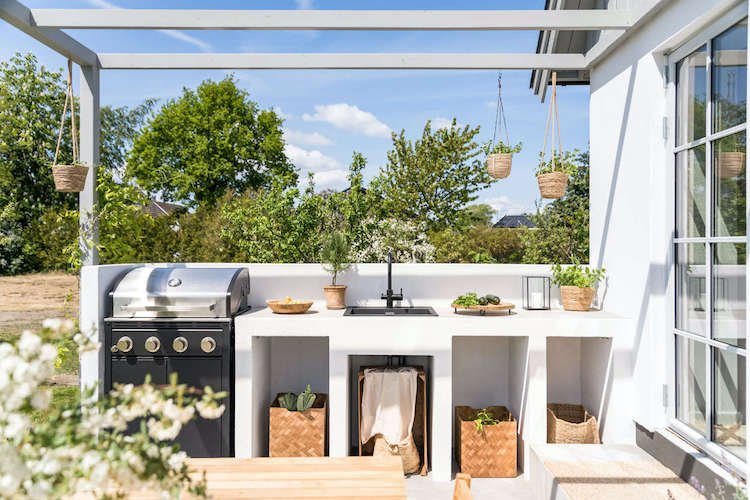
Are you dreaming of a sizzling outdoor kitchen right on your balcony? Imagine grilling your favorite meals while enjoying fresh air and a stunning view.
But can you really install an outdoor kitchen on your balcony? You might be wondering about space, safety, and the rules you need to follow. Keep reading, because we’re about to reveal everything you need to know to turn your balcony into the ultimate cooking spot.
Your perfect outdoor kitchen might be closer than you think!
Balcony Suitability Check
Installing an outdoor kitchen on a balcony can be a great idea. You need to check if your balcony is suitable first. This helps avoid safety and legal problems.
Focus on three important points. These are the balcony size, its load-bearing capacity, and local building codes. Each point affects how you can set up the kitchen.
Assessing Balcony Size
Measure your balcony to see if it has enough space. You need room for the grill, counter, and walking area. A cramped space is unsafe and uncomfortable.
Also, think about furniture and storage. The kitchen should not block doors or emergency exits. Plan the layout carefully to use space well.
- Measure length and width of the balcony
- Leave space for movement around the kitchen
- Check if furniture fits without crowding
- Ensure access to doors and windows is clear
Load-bearing Capacity
Your balcony must support the extra weight of the kitchen. This includes appliances, countertops, and people using it. Too much weight can cause damage or accidents.
Check the balcony’s load capacity with a professional. They can tell you the safe weight limit. Avoid heavy materials like stone or brick if the balcony is weak.
- Find out the maximum load your balcony can hold
- Include the weight of all kitchen items and users
- Use lightweight materials if needed
- Consult a structural engineer for safety advice
Local Building Codes
Building codes tell you what is allowed on balconies. These rules protect safety and fire risks. You must follow them to avoid fines or removal orders.
Check with your city or housing authority. Some places ban grills or certain appliances on balconies. Get all permits before starting the kitchen build.
- Research local rules about outdoor kitchens
- Check if grills or gas appliances are allowed
- Apply for necessary permits and inspections
- Follow fire safety guidelines strictly

Credit: thediyplaybook.com
Choosing The Right Appliances
Installing an outdoor kitchen on your balcony needs smart choices. The appliances you pick must fit the small space well.
Right appliances make cooking safe and easy. This guide helps you select the best ones for your balcony kitchen.
Compact Grills And Cooktops
Balconies have less space than yards. Choose compact grills or cooktops made for small areas.
Look for appliances with a small footprint but good cooking power. Portable grills are a good option.
- Electric grills save space and avoid open flames
- Two-burner cooktops offer enough cooking area
- Foldable or portable models fit tight spaces
Ventilation Needs
Proper airflow is very important on balconies. Cooking produces smoke and heat that must escape safely.
Check if your balcony has enough open space or vents. Choose appliances that produce less smoke if airflow is limited.
- Use electric grills to reduce smoke
- Position appliances near balcony edges
- Avoid open flames if ventilation is poor
Weather-resistant Materials
Your balcony kitchen faces sun, rain, and wind. Pick appliances made from weather-resistant materials.
Stainless steel and coated metals resist rust. Choose covers and storage that protect appliances when not in use.
- Look for rust-proof grills and cooktops
- Use waterproof covers to protect appliances
- Choose materials that handle sun exposure well
Safety Considerations
Installing an outdoor kitchen on a balcony needs careful planning. Safety is very important to protect people and property.
Check rules and follow safety steps before starting your outdoor kitchen project.
Fire Safety Measures
Fire is the biggest risk with an outdoor kitchen on a balcony. Keep flammable items away from heat sources.
Use fire-resistant materials and keep a fire extinguisher nearby. Never leave cooking unattended.
- Use metal or stone surfaces around the grill
- Keep a fire extinguisher in an easy-to-reach place
- Do not place grills near curtains or wooden walls
- Check local fire codes before installation
Proper Gas Connections
Gas connections must be done carefully to avoid leaks and explosions. Use certified gas fittings and hoses.
Have a professional install and test your gas lines regularly to keep them safe and working well.
- Use approved gas hoses and connectors
- Check for gas leaks with soapy water test
- Turn off gas supply when not in use
- Schedule regular inspections by a professional
Electrical Safety
Outdoor kitchens need safe electrical setups to avoid shocks and fires. Use weatherproof outlets and covers.
Hire a licensed electrician to install all wiring and appliances. Avoid overloading circuits to prevent hazards.
- Install GFCI outlets for wet areas
- Use outdoor-rated extension cords and fixtures
- Keep electrical devices away from water
- Check wiring and appliances regularly
Design And Layout Tips
Installing an outdoor kitchen on a balcony can be a smart way to enjoy cooking outside. It needs careful planning to fit the space well.
Good design helps you use the balcony fully and keeps the area safe and comfortable.
Space Optimization
Balconies usually have limited space. Plan the kitchen layout to use every inch wisely. Choose compact appliances and keep pathways clear.
Use vertical space by adding shelves or hooks to hold tools and utensils. This frees up counter space for cooking.
- Pick small grills or portable cooktops
- Use foldable tables or counters
- Keep the cooking zone near a power or gas source
- Leave space for movement and safety
Storage Solutions
Storage is important on a balcony kitchen to keep things tidy. Use weatherproof cabinets to protect items from rain and sun.
Look for storage options that fit under counters or hang on walls. This keeps the floor space open.
- Install lockable cabinets for safety
- Use stackable containers for utensils
- Add hooks for towels and tools
- Choose furniture with built-in storage
Seating Arrangements
Seating on a balcony should be cozy and space-saving. Choose chairs and tables that fit the available area without crowding it.
Consider foldable or stackable chairs to store them easily when not in use. Add cushions for comfort and style.
- Use small bistro tables for two or three people
- Choose bench seating against the wall
- Pick lightweight chairs for easy moving
- Keep space clear for walking
Maintenance And Cleaning
Installing an outdoor kitchen on your balcony adds style and function. Proper care keeps it safe and working well.
Regular maintenance stops damage from weather and dirt. Clean and protect your kitchen for long use.
Protecting Against Elements
Your balcony kitchen faces sun, rain, and wind. Cover it with a weatherproof cover when not in use.
Use materials like stainless steel or stone that resist damage. Place heavy items where wind won’t move them.
- Use waterproof covers for grills and appliances
- Choose weather-resistant materials
- Secure loose items from strong winds
- Store small tools indoors
Routine Cleaning Tips
Clean your outdoor kitchen weekly to avoid buildup. Wipe counters, sinks, and appliances with mild soap and water.
Empty trash regularly to prevent odors. Sweep or hose down the floor to keep the area tidy.
- Wipe surfaces with gentle cleaners
- Rinse soap off completely
- Dry metal parts to avoid water spots
- Clear debris from sinks and drains
- Keep trash bins sealed
Preventing Rust And Corrosion
Rust damages metal parts and shortens lifespan. Dry metal surfaces after cleaning or rain to stop rust.
Apply protective oils or sprays on metal to block moisture. Check for rust spots and treat them early.
- Dry metal after exposure to water
- Use rust-resistant paint or coatings
- Apply oil or silicone sprays regularly
- Remove rust with a wire brush
- Replace severely corroded parts
Cost And Budgeting
Installing an outdoor kitchen on your balcony requires careful budgeting. You need to plan for different costs before starting.
Knowing the expenses helps you avoid surprises and manage your money well.
Appliance Expenses
Appliances make your outdoor kitchen functional but add to the cost. Common appliances include grills, refrigerators, and sinks.
- Grill prices range from $300 to $3,000 depending on size and fuel type.
- Outdoor refrigerators cost about $500 to $1,500.
- Sinks and faucets add around $200 to $700.
- Extra appliances like pizza ovens or smokers can increase costs.
Installation Costs
Installation involves labor, permits, and materials. Costs vary by location and complexity.
| Installation Type | Estimated Cost |
| Basic setup | $1,000 – $3,000 |
| Electrical and plumbing | $500 – $2,000 |
| Custom cabinetry and countertops | $2,000 – $5,000 |
| Permit fees | $100 – $500 |
Ongoing Maintenance
Keeping your outdoor kitchen in good shape needs regular work. This adds to your budget over time.
- Cleaning appliances regularly to prevent damage
- Checking and repairing plumbing and electrical parts
- Protecting surfaces from weather with covers or sealants
- Replacing worn-out parts or appliances as needed
Alternative Outdoor Cooking Options
Installing a full outdoor kitchen on a balcony can be tricky. Space and safety rules may limit your choices. Luckily, there are smaller cooking options that fit well on balconies.
These alternatives let you enjoy outdoor cooking without large setups. They are easy to move and often require less fuel or power.
Portable Grills
Portable grills are light and easy to carry. You can use them on most balconies where open flames are allowed. They run on charcoal, propane, or sometimes electricity.
- Charcoal grills offer classic smoky flavor but need ventilation.
- Propane grills heat quickly and are easy to control.
- Electric grills work well in places with fire restrictions.
- Choose a size that fits your balcony space safely.
Electric Smokers
Electric smokers use electricity to cook food slowly with smoke flavor. They are safer for balconies since they do not have open flames. You only need a power source nearby.
| Feature | Benefit |
| No open flame | Safer for balcony use |
| Electric heat source | Easy temperature control |
| Slow cooking | Rich, smoky taste |
| Compact size | Fits small spaces |
Tabletop Cooking Units
Tabletop units are small cooking devices placed on tables or counters. They include grills, burners, and hot plates. These units work well for quick meals or small gatherings.
- Easy to store and move
- Use electric or gas power
- Good for limited balcony spaces
- Can cook a variety of foods
Credit: www.howarth-timber.co.uk

Credit: blog.casaomnia.it
Frequently Asked Questions
Can I Install An Outdoor Kitchen On A Small Balcony?
Yes, you can install an outdoor kitchen on a small balcony. Choose compact appliances and space-saving designs. Ensure proper ventilation and safety measures to comply with building codes.
What Safety Precautions Are Needed For Balcony Kitchens?
Safety is crucial for balcony kitchens. Use fire-resistant materials, maintain clearances, and install smoke detectors. Check local regulations and avoid open flames if prohibited. Always supervise cooking activities.
Are There Weight Limits For Balcony Kitchen Installations?
Yes, balconies have weight limits. Consult a structural engineer before installation. Use lightweight materials and appliances to avoid overloading. Proper assessment prevents damage and ensures safety.
How Do I Manage Ventilation For A Balcony Kitchen?
Proper ventilation is essential for balcony kitchens. Use electric grills or vent hoods if allowed. Avoid grills with heavy smoke. Open windows and doors to improve airflow during cooking.
Conclusion
Installing an outdoor kitchen on a balcony is possible with careful planning. Check your building rules and safety limits first. Choose compact, weatherproof appliances that fit your space well. Keep ventilation and fire safety in mind at all times. A small kitchen can still bring great joy and function.
Enjoy cooking outdoors without leaving your home. Thoughtful choices make your balcony kitchen both safe and fun.