

Are you wondering if your electric slicer can handle bone-in meat without damaging the machine or ruining your cut? You’re not alone.
Many people hesitate to use electric slicers for tougher cuts because they worry about safety and performance. But what if you could slice through bone-in meat smoothly, saving time and effort in the kitchen? Keep reading to discover what electric slicers can really do, how to use them safely with bone-in meat, and which models are up to the challenge.
This knowledge could change the way you prepare meals forever.
Credit: www.vevor.com
Electric Slicers And Bone-in Meat
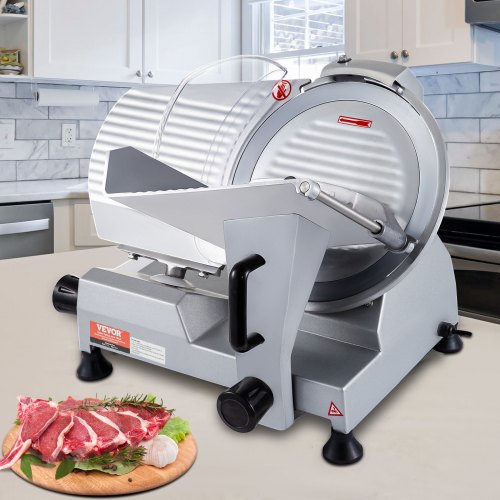
Electric slicers are designed mainly for boneless cuts, so slicing bone-in meat can damage the blade. Using these slicers on bones may dull or break the machine quickly. For safety and better results, it’s best to remove bones before slicing.
Types Of Electric Slicers
Electric slicers vary in size and power. Some are made for thin slicing cooked meats. Others handle tougher cuts like bone-in meat. Choosing a slicer depends on what you plan to cut most.
Blade Design And Strength
Blade design is key for slicing bone-in meat. Strong, sharp blades cut through meat easily. Serrated blades grip better on tough surfaces. Stainless steel blades last longer and resist rust.
Thicker blades provide more strength. Thin blades may bend or break on bones. The motor should be powerful to maintain speed under pressure. A slow slicer might get stuck or damage the blade.
Challenges With Bone-in Meat
Bones in meat are very hardand dense. Electric slicers can struggle with this. The blades may not be strong enough. Bones can cause the slicer to jam. It is not easy to cut through bone. This can be risky for the slicer. The motor could overheat. It might even break.
Blades are made for slicing soft meat. Bones can damagethem easily. A damaged blade won’t cut well. It can make slices uneven. This is bad for presentation. Blades need to be sharp to work well. Repairing or replacing them can be costly. It is important to use slicers carefully. Avoid cutting bones to keep blades safe.
Expert Opinions On Usage
Experts say electric slicers are not designed to cut through bone-in meat safely. Using them on bones can damage the blades and motor. For best results, slice boneless meat or use tools made for cutting bones.
Professional Butchers’ Recommendations
Many professional butchers advise against using electric slicers for bone-in meat. The bones can damage the blade and cause uneven slicing. They suggest removing bones first to keep the slicer in good shape. Using a slicer on bone-in cuts may lead to safety hazards like blade jams or kickbacks. For best results, use electric slicers only for boneless meats and deli products.
Manufacturer Guidelines
Most manufacturers clearly state that electric slicers are made for boneless items only. Their manuals warn that slicing bones can cause serious damage to the machine. Warranty may be voided if slicers are used on bone-in meat. Cleaning and maintenance become harder after slicing bone-in cuts. Always follow the user guide to avoid costly repairs or accidents.
Credit: www.vevor.com
Alternatives For Cutting Bone-in Meat
Manual sawsand sharp knivesare good for cutting bone-in meat. They let you cut through bones carefully. Using a bone sawhelps with large bones. A boning knifeis thin and strong, making it easier to cut around bones. These tools give you control and accuracy.
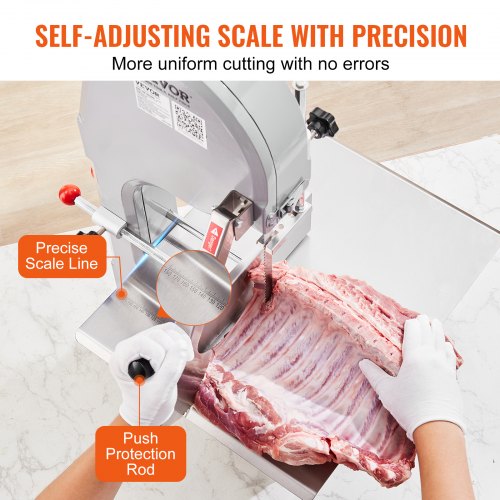
Specialized meat slicersdesigned for bone-in cuts are stronger. They have thicker bladesand more powerto handle bones. Some slicers have adjustable settingsto slice meat at different thicknesses. These slicers keep the meat neat and even. But they cost more and need careful use to avoid damage or injury.
Maintenance After Cutting Bone-in Meat
After cutting bone-in meat, clean the slicer immediately. Use a soft brushto remove meat bits from the blade and crevices. Wipe with a damp clothand mild soap to avoid rust or damage. Dry all parts thoroughly to prevent moisture build-up.
For blade care, sharpen it regularly to keep cuts smooth. A dull blade can tear meat and strain the motor. Replace the blade if it shows deep nicks or wear. Always follow the slicer’s manual for safe blade removal and installation. Proper maintenance extends the slicer’s life and improves performance.
Safety Precautions
Always hold the meat firmly to avoid slips while slicing. Use steady, slow motions for better control. Avoid forcing the slicer through bone-in meat to prevent accidents.
Wear thick gloves to protect your hands from cuts. Safety glasses can shield your eyes from flying debris. Consider using a protective apron to keep clothes safe from stains and cuts.
Credit: www.techwood.online
Frequently Asked Questions
Can Electric Slicers Cut Through Bone-in Meat?
Electric slicers are generally not designed to cut through bones. They work best on boneless meats, cheese, and vegetables. Attempting to slice bone-in meat can damage the blade and motor. It’s safer to use a handsaw or butcher’s knife for bones.
Are Electric Slicers Safe For Slicing Bone-in Meat?
Electric slicers are not safe for slicing bone-in meat. Bones can cause the blade to jam or break. This poses a risk of injury or damage to the slicer. Always remove bones before using an electric slicer to ensure safety and smooth operation.
What Types Of Meat Can Electric Slicers Handle?
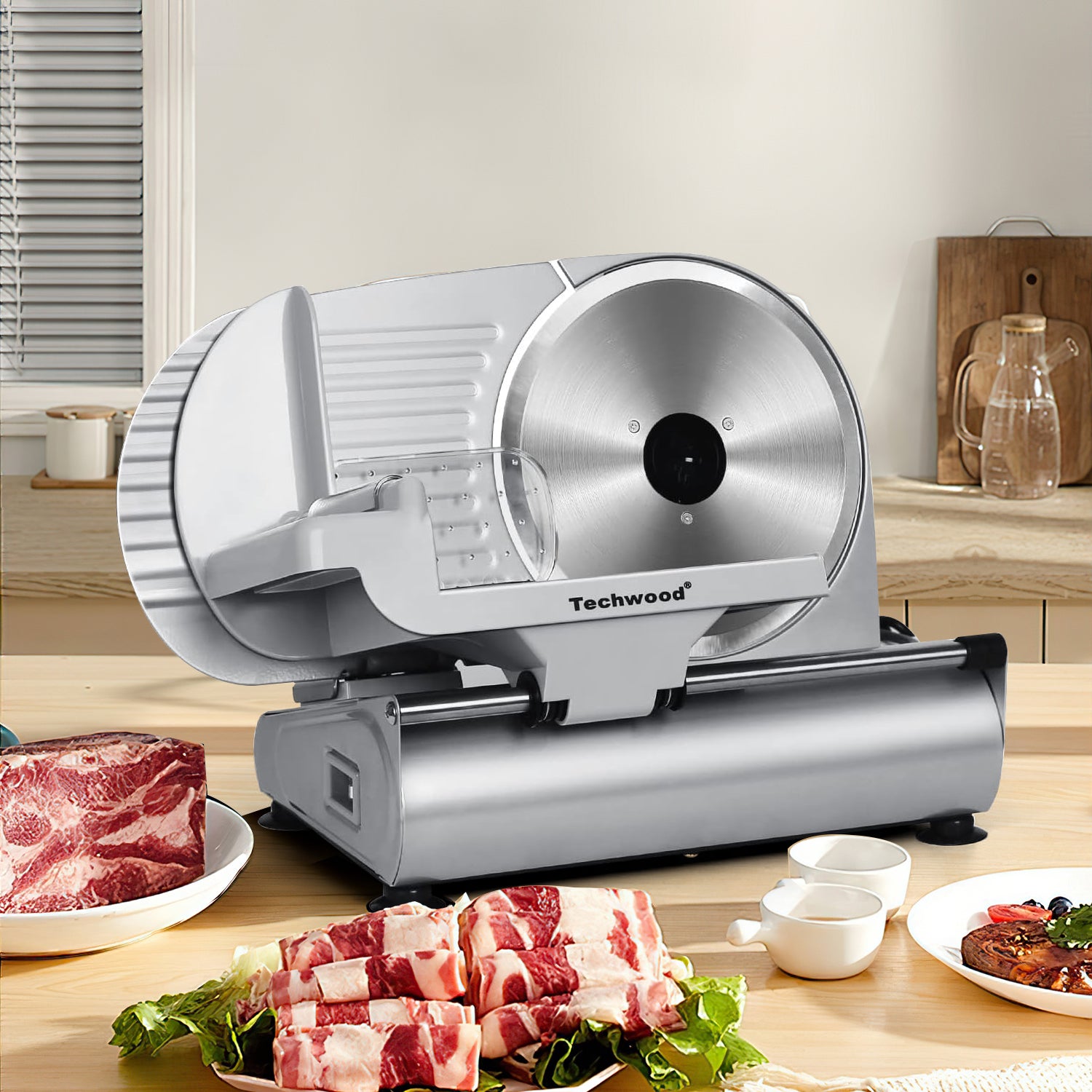
Electric slicers handle boneless meats such as ham, turkey, roast beef, and chicken. They are perfect for deli-style slicing and thin cuts. Avoid using them on frozen, tough, or bone-in meats to prevent damage and ensure clean slices.
How To Protect An Electric Slicer When Slicing Meat?
To protect your electric slicer, always remove bones before slicing. Use appropriate slicing thickness settings for different meats. Clean the blade and slicer after each use to avoid residue buildup. Avoid forcing hard or frozen meat through the slicer to prolong its lifespan.
Conclusion
Electric slicers can handle some bone-in meat, but with care. Choose slicers with strong blades and motors to avoid damage. Always cut slowly and watch the blade closely near bones. Regular cleaning helps keep the slicer sharp and safe. For tough bones, consider other cutting tools.
Safe use extends the slicer’s life and keeps meat slices even. Bone-in meat slicing works best with the right slicer and careful handling. This way, you get good slices without risking your equipment.