

Have you ever wondered if you can safely put aluminum in the oven? Maybe you’ve grabbed that shiny foil or an aluminum pan and paused, unsure if it’s the right choice for baking or roasting.
Using aluminum in your oven might seem simple, but there are important things you need to know to keep your food tasty and your kitchen safe. Keep reading, because by the end of this article, you’ll have clear answers and smart tips to make the best decision for your cooking.
Aluminum Basics
Aluminum is a lightweight metal used in many kitchen items. It is silver-colored and easy to shape.
People often wonder if aluminum is safe to use in ovens. Knowing its properties helps answer this.
Common Uses In Kitchen
Aluminum is found in many kitchen tools and cookware. It is popular because it heats up fast and cooks food evenly.
Some common kitchen uses of aluminum include:
- Foil sheets for wrapping food
- Baking pans and trays
- Roasting dishes
- Disposable containers
- Cookware like pots and skillets
Properties Relevant To Cooking
Aluminum conducts heat very well, which helps food cook evenly. It is also lightweight and easy to handle.
It can withstand oven temperatures but can react with acidic foods. This may change the taste and look of the food.
- Excellent heat conductor
- Lightweight and durable
- Reacts with acidic or salty foods
- Safe for most oven temperatures
- Can warp if heated too fast
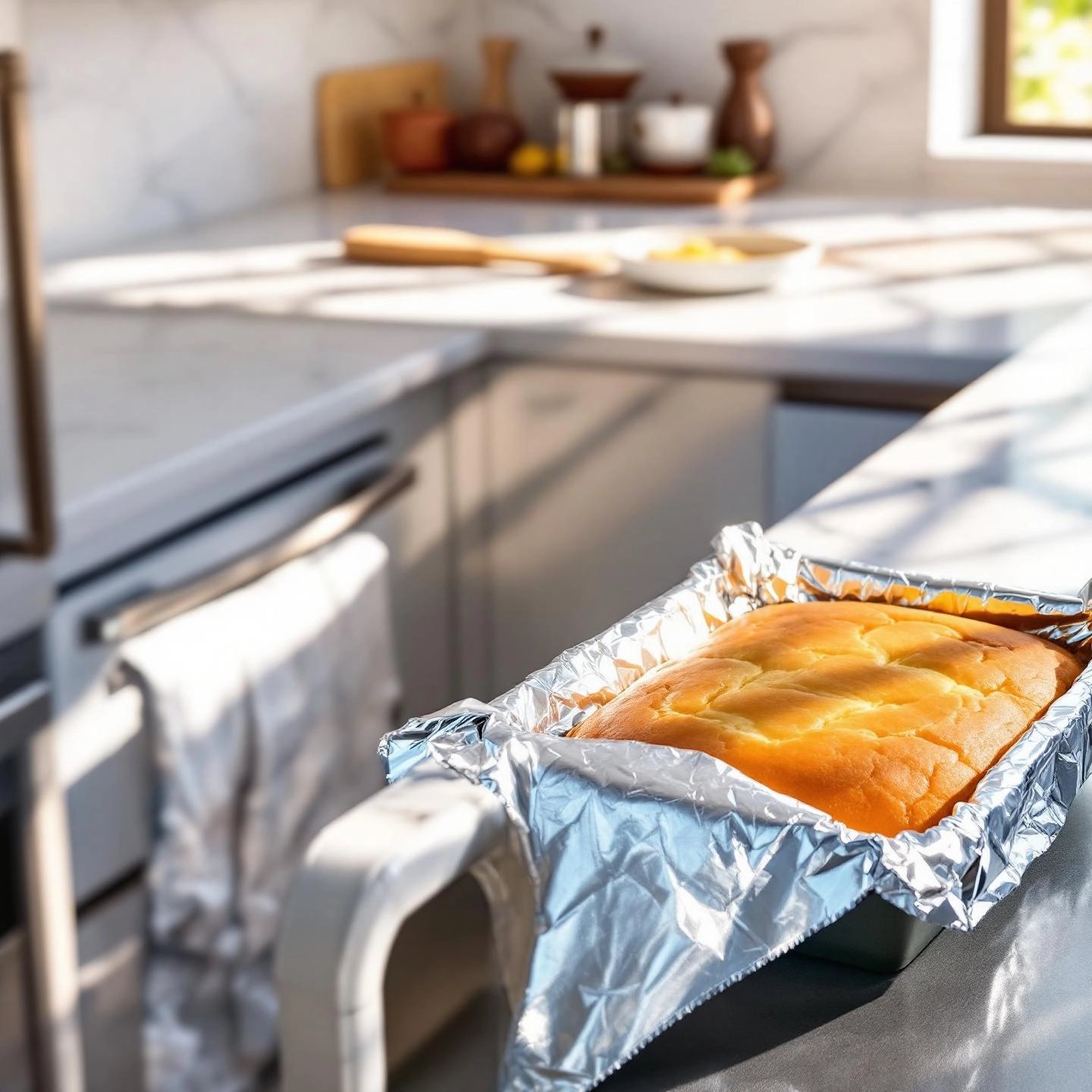
Credit: www.shengxinaluminium.com
Oven Safety With Aluminum
Aluminum is a popular material for cooking. Many people wonder if it is safe to use aluminum in the oven.
This guide explains how to use aluminum safely in your oven and what to watch out for.
Temperature Limits
Aluminum can handle oven heat well but has limits. It melts at about 1220°F (660°C).
Most ovens do not reach this temperature, so aluminum usually stays safe. Still, high heat can cause warping.
- Safe oven temperature for aluminum is below 600°F (315°C)
- Temperatures above this may cause damage
- Use heavy-duty aluminum for higher heat
- Thin aluminum foil can burn or tear easily
Types Of Aluminum Cookware
There are different aluminum cookware types. Each type works differently in the oven.
Knowing the type helps you use it safely and avoid damage or food problems.
- Aluminum Foil:Thin and flexible, good for covering food. Avoid direct contact with oven walls.
- Aluminum Pans:Lightweight and heat well. Check if they have non-stick coating before using.
- Cast Aluminum:Thick and sturdy. Handles oven heat better than thin pans.
- Anodized Aluminum:Treated for durability. Safe for oven but avoid very high heat.
Risks Of Using Aluminum In Oven
Aluminum is popular for cooking because it heats quickly. But using it in the oven has some risks you should know.
Understanding these risks helps you cook safely and avoid problems with your food and health.
Chemical Reactions With Food
Aluminum can react with certain foods, especially acidic ones like tomatoes or citrus fruits. This reaction may cause the aluminum to leach into the food.
The leaching changes the taste of food and can cause discoloration. It might also weaken the aluminum foil or pan.
- Acidic foods increase aluminum leaching
- Aluminum can change food taste and color
- Repeated use may damage aluminum cookware
Potential Health Concerns
Eating food with aluminum particles could cause health issues over time. Some studies link high aluminum intake to brain problems.
Though small amounts are usually safe, it is best to avoid extra exposure. Using aluminum foil or pans carefully lowers health risks.
- Aluminum buildup may affect the brain
- High exposure linked to memory problems
- Use less aluminum to stay safe
Safe Practices For Oven Use
Using aluminum in the oven can be safe if you follow simple rules. Aluminum helps cook food evenly and keeps things clean.
Knowing how to choose and handle aluminum products keeps your cooking safe. It also protects your oven and food quality.
Choosing The Right Aluminum Products
Pick aluminum products made for oven use. Heavy-duty aluminum pans or foil work best. Thin foil may tear easily and cause spills.
Avoid aluminum with plastic or paper parts. These parts can melt or catch fire in the oven. Use only pure aluminum items or those labeled oven-safe.
- Use thick aluminum pans or oven-safe trays
- Choose heavy-duty aluminum foil for covering food
- Check product labels for oven safety
- Avoid aluminum with plastic or paper parts
Proper Handling And Maintenance
Handle aluminum with care to avoid damage. Do not crumple foil too much, as it can tear. Always place aluminum items on oven racks or trays.
Clean aluminum products after each use. Use mild soap and soft cloths. Avoid harsh scrubbers that scratch the surface. Proper care helps aluminum last longer.
- Place aluminum items securely on racks or trays
- Do not over-crumple aluminum foil
- Wash aluminum with mild soap and soft cloth
- Avoid abrasive cleaners and scrubbers
- Check for tears or holes before use
Alternatives To Aluminum
Aluminum is common in cooking but may not always be the best choice. Some people want other options for oven use.
This section explains safe materials you can use instead of aluminum in the oven.
Other Oven-safe Materials
Many materials work well in ovens and can replace aluminum safely. Each has its own benefits and uses.
- Glass bakeware: Sturdy and does not react with food.
- Ceramic dishes: Good for even heat and attractive serving.
- Silicone mats and pans: Flexible and easy to clean.
- Cast iron: Holds heat well and lasts a long time.
- Stainless steel: Durable and resists rust.
Benefits Of Using Alternatives
Using other materials can improve your cooking and protect your health. Some avoid aluminum due to health concerns.
Alternatives often last longer and clean more easily. They can also add style to your kitchen.
- Better heat distribution for even cooking
- No metal taste in food
- Less risk of chemicals leaching into meals
- Reusable and eco-friendly options
- Variety of shapes and sizes available
Credit: www.shengxinaluminium.com

Credit: www.amazon.com
Frequently Asked Questions
Can Aluminum Foil Be Used Safely In The Oven?
Yes, aluminum foil is safe for oven use. It withstands high heat and helps evenly cook food. Avoid direct contact with heating elements to prevent burning or melting.
Is It Safe To Bake With Aluminum Pans?
Aluminum pans are safe for baking. They conduct heat well, ensuring even cooking. Avoid using damaged or anodized aluminum pans for better safety and durability.
Can Aluminum Containers Leach Chemicals In The Oven?
Aluminum may leach trace amounts if exposed to acidic foods at high heat. However, occasional use in the oven is generally safe and poses minimal health risk.
What Temperature Limits Should I Consider For Aluminum In Ovens?
Aluminum withstands oven temperatures up to 660°F (350°C). Most baking occurs below this, making aluminum suitable for standard cooking and baking tasks.
Conclusion
Aluminum works well for oven cooking and baking. It handles heat safely and spreads it evenly. Avoid using aluminum foil on acidic foods to keep flavors pure. Always check your oven’s temperature limits before use. With simple care, aluminum can be a useful kitchen tool.
Safe, easy, and effective — aluminum fits many cooking needs. Give it a try and enjoy hassle-free baking.