
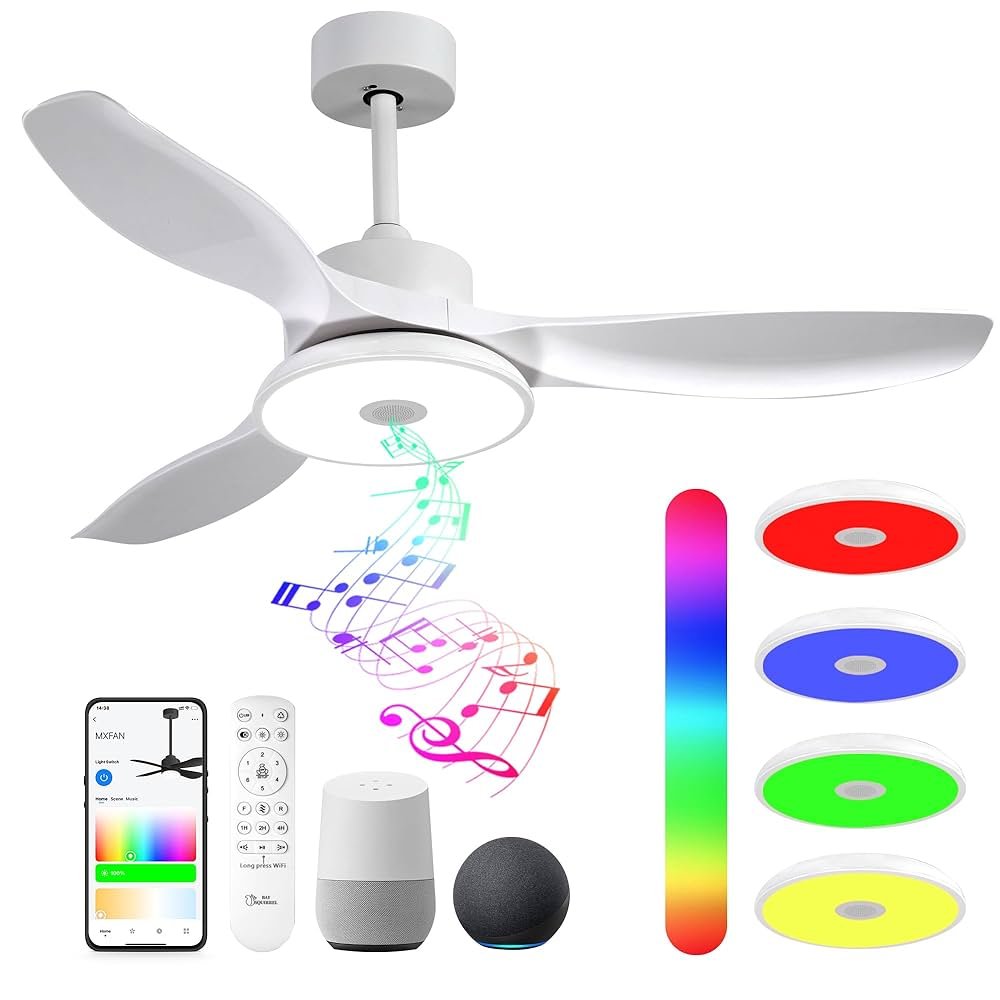
Imagine walking into your kitchen and effortlessly controlling your appliances with just a few taps on your smartphone. Sounds convenient, right?
With the rise of smart homes, the debate between Bluetooth and WiFi kitchen appliance control is heating up. But which one truly enhances your culinary experience? This choice could redefine how you interact with your kitchen, making it not just a place to cook, but a hub of innovation and ease.
Delve into the nuances of Bluetooth and WiFi to discover which technology aligns perfectly with your lifestyle and transforms your kitchen into a modern marvel. Keep reading to unlock the potential of seamless kitchen control and find out which option is the best fit for you.
Introduction To Smart Kitchen Control
Smart kitchens are becoming popular today. They make life easier and more fun. Bluetooth and WiFi are two ways to control kitchen appliances. Each has its own benefits. Bluetooth is great for close-range control. It works well for small kitchens or apartments. The connection is quick and simple.
WiFi lets you control appliances from far away. You can be at work and still manage your kitchen. It is perfect for big homes. WiFi offers more features too. You can schedule tasks or get notifications. Both options make kitchens smart and convenient.
Bluetooth Technology In Kitchen Appliances
Bluetooth lets devices talk to each other. It uses radio waves. No wires are needed. Pairing is the first step. Devices must be close to pair. Data can be sent between them. This data can be commands or information. Bluetooth works in short ranges. Usually 10 meters or less.
Bluetooth is easy to use. It is cost-effective. No wires means less clutter. Bluetooth is safe for short distances. It needs low power. This saves battery life. Many devices support Bluetooth. It is popular in homes.
Bluetooth has a short range. It is not ideal for big areas. Interference can occur with other devices. Walls can block signals. Bluetooth is slower than WiFi. Limited data can be sent at once. Security can be a concern. Data can be hacked easily.
Wifi Technology In Kitchen Appliances
Exploring the smart kitchen, Bluetooth offers simple appliance control at close range. WiFi extends this control across your home network. Comparing these technologies, Bluetooth suits quick tasks, while WiFi supports remote management. Each option enhances convenience in modern kitchens.
How Wifi Works
WiFi sends data using radio waves. These waves connect devices to the internet. The router is the main device. It helps appliances talk to each other. It is like a bridge. It makes sure every device gets the signal. This technology is popular. Many homes use WiFi for smart appliances. It allows easy control. You can use your phone or tablet to manage devices. This makes cooking simpler and faster.
Advantages Of Wifi
WiFi is very useful in kitchens. It allows remote control of appliances. You can adjust settings from another room. It saves time. You don’t need to be near the appliance. WiFi helps in energy saving. It lets you track usage. You can see how much power your devices use. This helps in reducing bills. It also offers updates. Appliances can get new features over WiFi.
Limitations Of Wifi
WiFi has some drawbacks. Sometimes the signal is weak. This can cause problems. Devices may not work well. There is a security risk. Hackers can access your appliances. This can be dangerous. WiFi needs good internet. Without it, devices can’t connect. Some appliances cost more. They can be expensive due to WiFi features.
Comparing Bluetooth And Wifi
Bluetoothhas a short range. It works within a room. WiFicovers the whole house. It connects appliances far away. Walls do not block WiFi signals. Bluetooth signals can be blocked.
WiFi is faster than Bluetooth. It transfers large files quickly. Bluetoothis slower. It is good for small data. WiFi supports streaming. Bluetooth struggles with large data.
Bluetoothuses less power. It saves battery life. WiFi uses more power. It drains batteries faster. Bluetooth is ideal for energy saving. WiFi is suitable for stable power sources.
Security And Privacy Considerations
Choosing between Bluetooth and WiFi for kitchen appliance control involves important security and privacy aspects. Bluetooth often offers better security with shorter range, reducing hacking risks. WiFi provides broader control but might expose appliances to more vulnerabilities due to internet connectivity.
Bluetooth Security Features
Bluetooth uses encryption to keep data safe. Devices pair with each other. This pairing process makes a secure link. Some Bluetooth devices have authentication steps. This means only trusted devices can connect. Bluetooth has a short range. This limits access to nearby devices. Signal interference is less likely. Bluetooth is often used for simple commands. This reduces data vulnerability.
Wifi Security Protocols
WiFi uses strong encryption methods. WPA2 is common for home networks. WPA3 is newer and more secure. WiFi networks need a password. Only users with the password can connect. Firewalls help protect WiFi networks. They block unwanted connections. Updates are important for WiFi routers. They fix security holes. Network size can affect security. Larger networks have more potential risks.

Credit: www.instagram.com
Cost Implications
Bluetooth devices often cost less than WiFi ones. They are simpler and have fewer parts. WiFi appliances might need more parts. This makes them cost more. Setting up WiFi also needs a stable internet connection. This can add to the cost. Bluetooth works right out of the box. It doesn’t need extra setups.
Maintenance for Bluetooth is usually cheap. It needs less upkeep. Parts are not many, so fewer things break. WiFi appliances might need more care. They rely on internet connections. If the connection breaks, fixing it can cost money. Regular updates are needed for security. This can add to expenses over time.
User Experience And Convenience
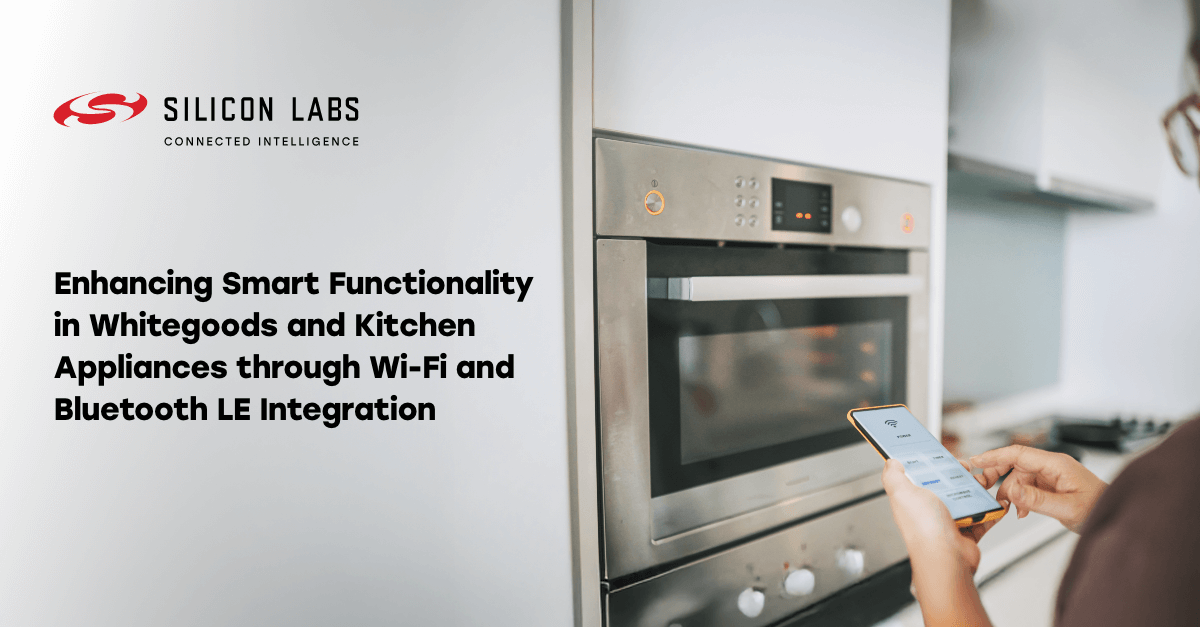
Smart kitchen appliances make life easier. Bluetooth control is simple. It connects quickly. Wifi offers more range. You can control appliances from far. This is great for busy days. Both are easy to set up. Just follow the steps.
Apps let you control appliances from your phone. Bluetooth apps work near the appliance. Wifi apps work anywhere in your home. Some apps show recipes. Others help you plan meals. Integration with smart home systems is possible. This makes cooking more fun.
Credit: x.com
Future Trends In Smart Kitchen Technology
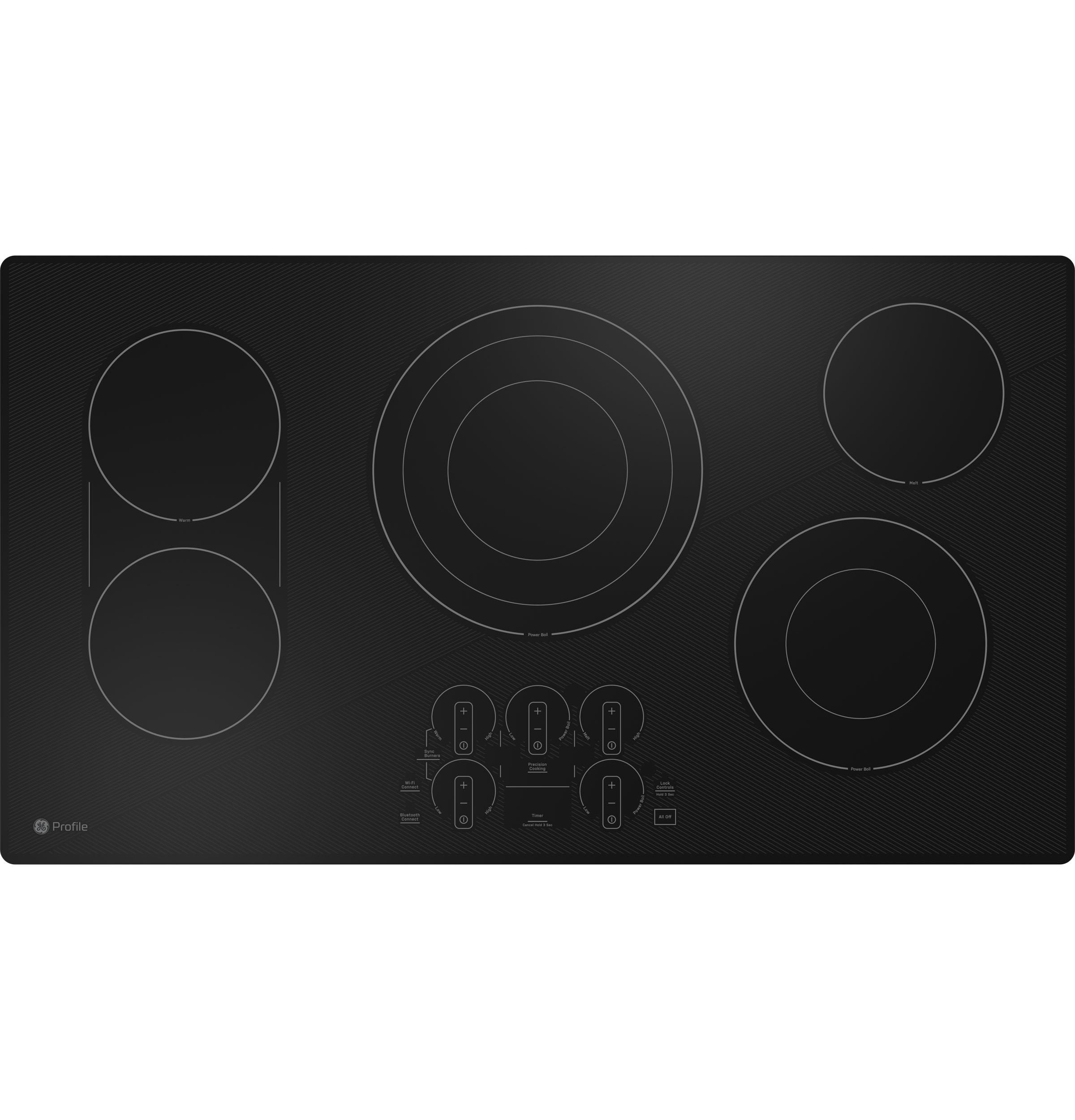
Smart kitchens are changing how we cook. New gadgets are coming out every year. Bluetooth and WiFi help control these devices. Touchscreens are now on ovens and fridges. Some gadgets can talk to us. They give cooking tips and reminders. Voice control is also popular. It lets us change settings without touching. This makes cooking easier and fun.
Smart kitchens now talk to other home devices. Lights can turn on when cooking starts. Thermostats adjust to keep the kitchen cool. Music can play while we cook. Some devices help with grocery lists. They send alerts when food is low. Integration makes homes work together. Cooking becomes part of a bigger smart home system. This means less work for us.
Credit: www.plessers.com
Frequently Asked Questions
Why Would An Oven Need Wi-fi?
An oven with Wi-Fi allows remote control via smartphone, enabling preheating, monitoring, and recipe integration for convenience. Receive notifications, save energy, and access smart cooking features. Enhance cooking precision and simplify kitchen management with connectivity.
Can Kitchen Appliances Interfere With Wifi?
Yes, some kitchen appliances can interfere with WiFi signals. Microwaves, cordless phones, and Bluetooth devices may cause disruptions. Ensure your router is placed away from these appliances for better connectivity. Consider using a dual-band router to minimize interference and improve network performance in your kitchen area.
What Is The Frequency Of Bluetooth Vs Wi-fi?
Bluetooth typically operates at 2. 4 GHz. Wi-Fi can operate at 2. 4 GHz and 5 GHz frequencies. Both utilize radio waves for data transmission. Bluetooth is suitable for short-range communication, while Wi-Fi offers higher speeds and longer range.
Are Smart Ranges Worth It?
Smart ranges offer convenience, energy efficiency, and advanced features. They allow remote control and monitoring via smartphone apps. Costs might be higher initially, but potential savings and functionality can justify the investment. Assess your cooking needs and budget to decide if a smart range is worthwhile for you.
Conclusion
Choosing between Bluetooth and WiFi for kitchen appliances depends on your needs. Bluetooth offers simplicity and direct control. WiFi provides more features and remote access. Both options have strengths and weaknesses. Consider your kitchen setup and tech preferences. Think about how you use appliances daily.
Evaluate security and connectivity aspects. Decide which technology best fits your lifestyle. Each choice enhances kitchen convenience. Pick what aligns with your comfort. Your kitchen experience matters most. Make an informed decision for easy appliance management. Enjoy a smarter, more connected kitchen environment.