
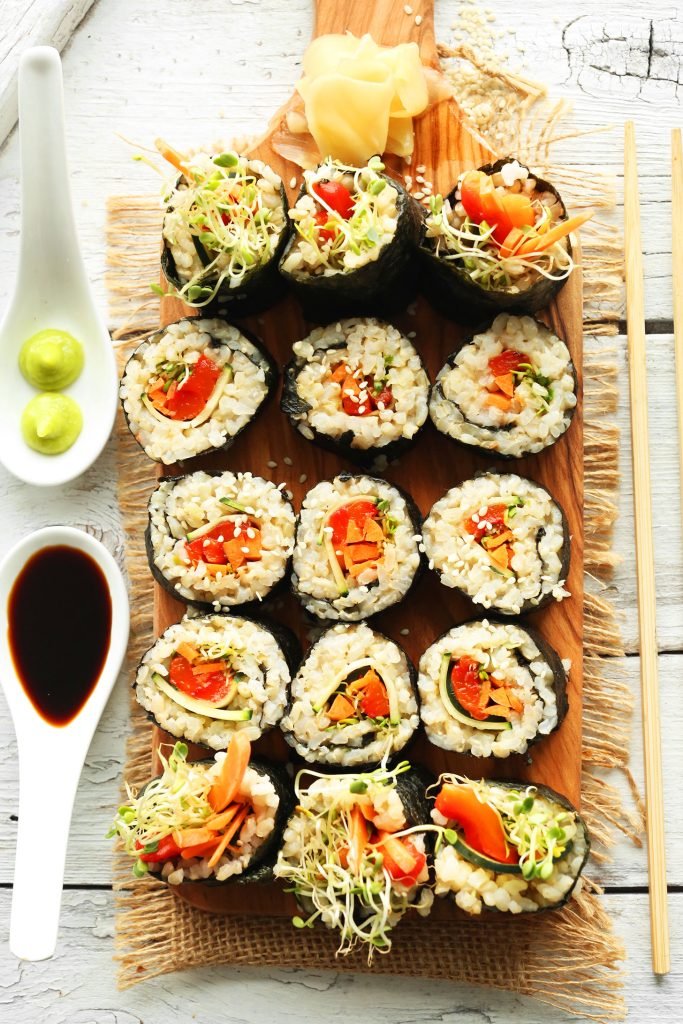
Are you ready to elevate your homemade sushi game? The secret to crafting restaurant-quality sushi starts with perfectly cooked brown rice.
Imagine the delight of each bite, where the rice is just the right balance of sticky and firm, enhancing the flavors of fresh fish and crisp vegetables. You might be wondering, what’s the best way to cook brown rice for sushi?
Don’t worry; you’re not alone. Many sushi enthusiasts find themselves puzzled by the unique texture and taste that brown rice should have. But with a few expert tips and tricks, you can master this essential sushi component. Stick around to discover the secrets that chefs swear by, and transform your sushi-making experience from ordinary to extraordinary.

Credit: thefruityjem.com
Choosing The Right Brown Rice
Making sushi with brown rice is healthy. Not all brown rice works well for sushi. Short-grain brown rice is the best choice. It is sticky and holds together well. Long-grain brown rice is fluffy. It does not stick like short-grain. Medium-grain rice is a good option too. It is less sticky than short-grain. But it is better than long-grain. Look for rice marked as sushi rice. It is specially made for sushi. Check the package for this information. Quality indicators include color and texture. The rice should be light brown. It should have a smooth surface. Avoid rice that looks old or broken.
Preparing Brown Rice
Start by rinsing the brown rice under cold water. This removes excess starch. Starch can make rice sticky. Use a fine mesh strainer for best results. Swirl the rice gently with your fingers. Repeat the rinse three times. Clean rice cooks better.
Soaking brown rice is key. It softens the grains. Use enough water to cover the rice. Let it soak for 30 minutes. This helps it cook evenly. Soaking improves texture. Drain well before cooking.
Cooking Techniques
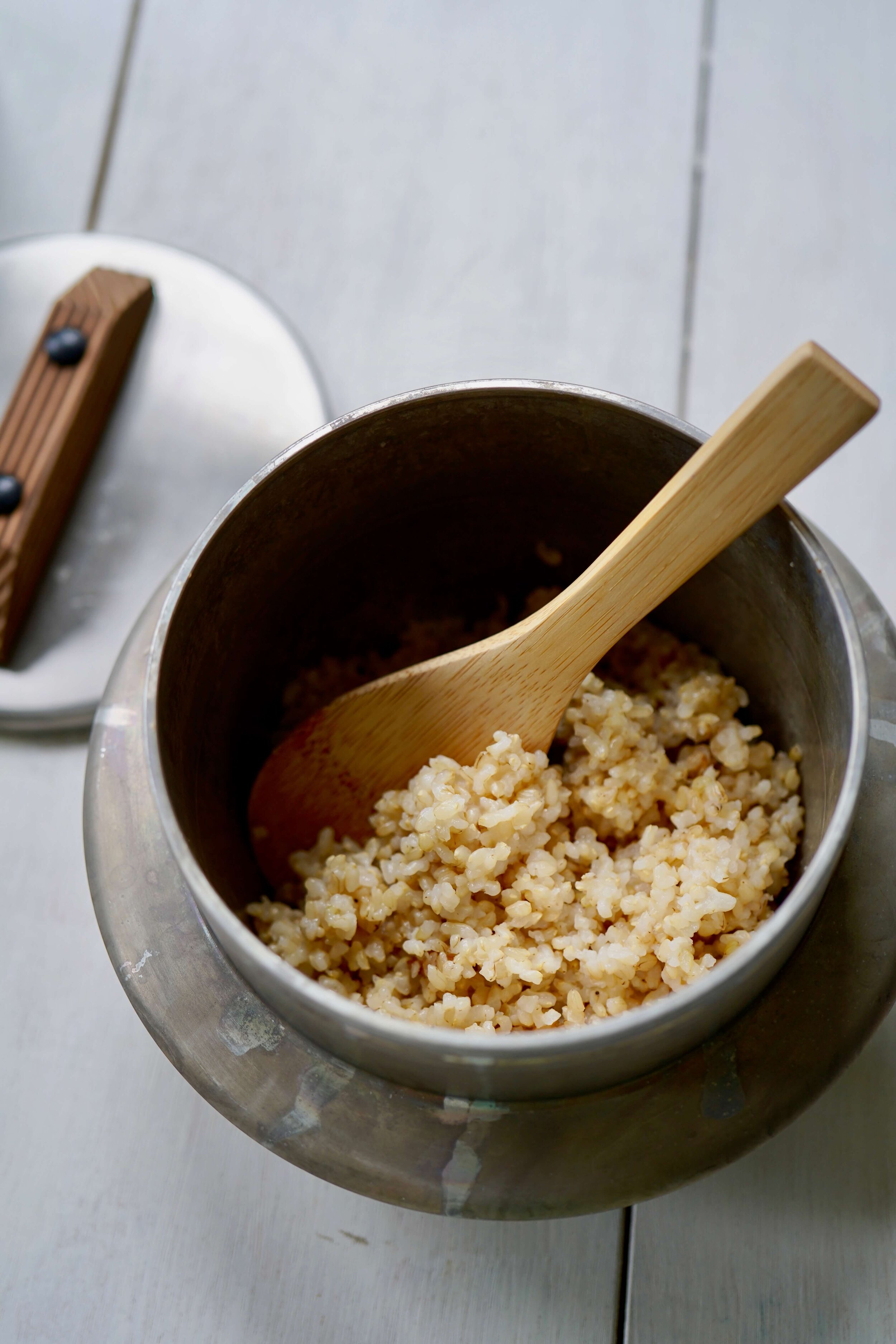
Use a heavy pot with a lid. Rinse the brown rice until the water runs clear. Add two cups of water for every cup of rice. Boil the water on high heat. Once boiling, reduce heat to low. Cover the pot and simmer for 45 minutes. After cooking, remove from heat. Let the rice sit for 10 minutes.
Use the brown rice setting on your rice cooker. Rinse the rice before cooking. Follow the water guide in the cooker manual. Usually, it’s more water than white rice. Let the rice rest for 10 minutes after cooking. This helps with texture.
Rinse the rice well. Use one cup of rice and one cup of water. Cook on high pressure for 18 minutes. Let the pressure release naturally. This takes about 10 minutes. Afterward, fluff the rice gently with a fork.
Seasoning The Rice
Making the perfect sushi rice is an art. The vinegar mix is key. Combine rice vinegar, sugar, and salt. Mix until they dissolve. This blend should taste sweet and sour. It gives the rice its special flavor. Pour the mix over cooked rice. Use a wooden paddle. Gently fold the rice. Don’t mash it. Let the rice cool. The rice should be sticky, not mushy. Keep it covered with a damp cloth. This keeps the rice fresh.
Not everyone likes the traditional mix. You can try lemon juice with a little sugar. It gives a fresh taste. Soy sauce is another choice. Add a small amount. Sesame oil adds a nutty flavor. Be careful, too much can be strong. Mirin is sweet rice wine. It can be used instead of sugar. Each choice gives the rice a new twist. Try and find your favorite.
Cooling And Storing
Brown rice needs to cool properly for sushi. Use a flat tray for cooling. Spread rice evenly on the tray. Let air flow around the rice. This helps in cooling faster. Do not rush this step. Gentle cooling keeps rice texture right.
Keep rice fresh and tasty. Store in airtight containers. Seal the container tightly. Place in the fridge for best results. Avoid storing for long. Use within two days for freshness. Remember to check the smell. Fresh rice smells clean.
Credit: www.yukiskitchen.com
Common Mistakes To Avoid
Avoid using too much water; it can make the rice mushy. Skipping the rinse step leaves excess starch. Don’t overcook; aim for a chewy texture.
Overcooking Issues
Brown rice can become mushyif cooked too long. It needs just the right time. Use a timer to keep track. Stirring too often makes it sticky. A gentle stir is enough. Let it cool before using it for sushi. Cooling helps the grains firm up.
Incorrect Seasoning
The taste of brown rice changes with seasoning. Too much vinegar can make it tangy. Balance the flavors with a bit of sugar and salt. Mix gently to coat each grain. Avoid using strong-flavored spices. They can overpower the sushi taste. Keep the seasoning simple for the best results.
Expert Tips For Perfect Sushi Rice
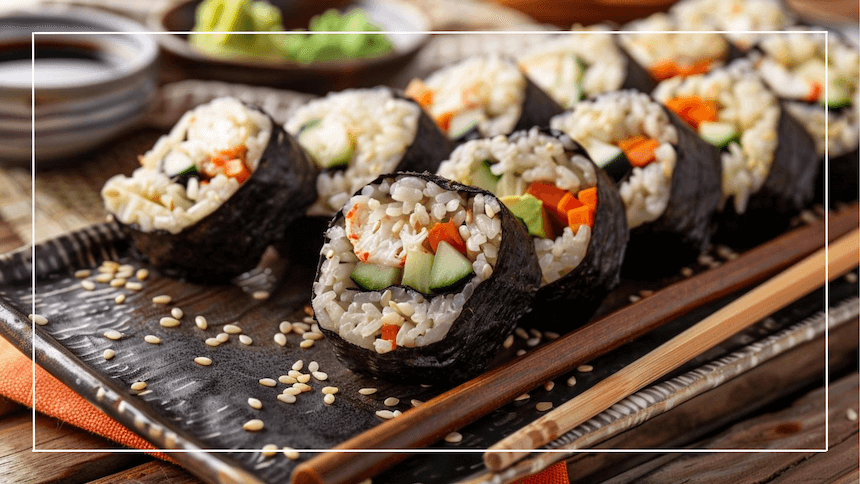
Top chefs say rinse the rice well. This removes extra starch. Use a 1:1.5 rice-to-water ratio for cooking. Let rice sit for 10 minutes after cooking. This makes it fluffy and sticky. Use a wooden spoon to mix rice. Avoid metal spoons. They can break the grains. Mix rice gently with a vinegar mix. This adds flavor and shine.
Home cooks suggest using a rice cooker. It’s easy and quick. Follow the instructions on the package. Some recommend soaking rice for 30 minutes first. This can make it softer. Keep rice covered with a damp cloth. This stops it from drying out. Use fresh ingredients for the best taste. Always taste and adjust salt or sugar.
Credit: www.chicorice.com
Frequently Asked Questions
How Do You Cook Brown Rice For Sushi?
Rinse brown rice under cold water until clear. Combine rice with water in a pot, ratio 1:2. Boil, then simmer covered for 45 minutes. Let it sit for 10 minutes off heat. Mix cooked rice with sushi vinegar. Let it cool before using in sushi.
Can Brown Rice Be Used As Sushi Rice?
Brown rice can be used for sushi, but it alters the traditional texture. It’s healthier and offers a unique flavor. Ensure proper preparation for optimal stickiness. Adjust seasoning to balance its nutty taste.
What Is The Trick To Cooking Brown Rice?
Rinse brown rice before cooking to remove excess starch. Use a 2:1 water-to-rice ratio. Boil, then simmer covered for 45 minutes. Let it rest for 5 minutes before fluffing with a fork. Consider soaking rice for improved texture.
How To Make Brown Rice Like Sticky Rice?
To make brown rice sticky, soak it for 2-3 hours. Use a 1:1. 5 rice-to-water ratio. Cook using a rice cooker or on the stove. Let it sit covered for 10 minutes after cooking to enhance stickiness. Fluff gently with a fork before serving.
Conclusion
Cooking brown rice for sushi is simple with the right steps. Start with quality rice for the best texture. Rinse it well to remove excess starch. Use the correct water-to-rice ratio for perfect consistency. Let it soak before cooking for better absorption.
Cook on low heat and let it rest afterward for fluffiness. Season with rice vinegar for authentic taste. Practice makes perfect, so try until you get it right. Enjoy your sushi with healthy brown rice. Happy cooking and enjoy every bite!