
When it comes to your commercial slicer, cleanliness isn’t just a good idea—it’s a must. If you want to keep your food safe, your equipment running smoothly, and your customers coming back, you need to master the best practices for slicer hygiene.
You’ll discover simple, effective steps that protect your business from contamination risks and costly downtime. Ready to elevate your slicer cleaning routine? Let’s dive in and make sure your slicer stays spotless every time.
Credit: www.vevor.com
Choosing The Right Slicer
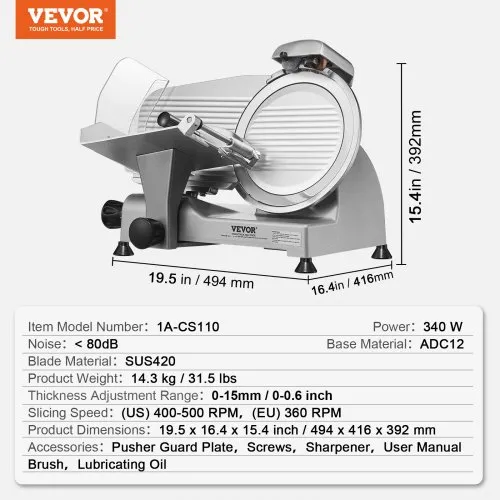
Choosing a commercial slicer with the right material and designhelps keep it clean and safe. Stainless steel is a great choice. It does not rust and is easy to wipe down. A slicer with smooth surfacesand fewer crevices prevents dirt and food bits from getting stuck. This makes cleaning faster and more effective.
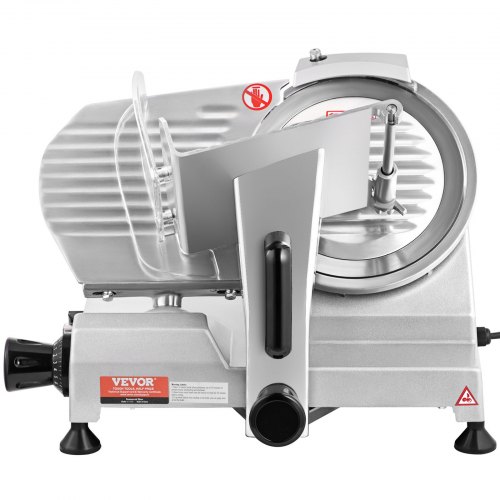
Safety features are important too. Look for slicers with blade guardsto protect workers’ hands. Non-slip feet keep the slicer stable during use. Some models have a safety switchthat stops the blade if the slicer is opened or moved. These features help prevent accidents and keep the workspace safe.

Credit: restaurantequipment.com
Daily Cleaning Routine
Keeping commercial slicers clean daily prevents bacteria buildup and ensures food safety. Regular wiping, thorough scrubbing, and proper drying maintain slicer hygiene effectively. Consistent care extends slicer life and protects customers from contamination risks.
Disassembly Steps
Always turn off the slicer first. Unplug it for safety. Remove the blade carefully. Take off the meat grip and tray. Separate all parts that touch food. Handle with care to avoid cuts.
Proper Cleaning Agents
Use warm, soapy water to clean slicer parts. Avoid harsh chemicals. They can damage the slicer. A soft brush helps remove food bits. Rinse everything well. Dry each piece with a clean cloth.
Sanitizing Techniques
Prepare a sanitizing solution. Mix water and bleach in the right amount. Spray or wipe the solution on all parts. Let it sit for a few minutes. Rinse again with water. Ensure no bleach remains. Dry all parts completely.
Deep Cleaning Procedures
Deep cleaningof commercial slicers should happen dailyor after every use. This keeps machines safe and food clean. Avoid letting food bits dry on the slicer. Clean before and after peak hoursto stop germs from spreading.
Use tools like:
- Soft brushesto reach small parts
- Food-safe cleaning cloths
- Sanitizing sprays or solutions
- Disassembling toolsto take slicer apart
Hard-to-reach areasneed special care. Remove blades carefully to clean inside. Use brushes for corners and joints. Wipe handles and buttons well. Rinse and dry all parts to stop rust and germs. Keeping these areas clean stops cross-contaminationand foodborne illness.
Credit: www.vevor.com
Preventing Cross-contamination
Separate food typesto avoid cross-contamination. Use different slicers or clean thoroughly between uses.
Use color-coded accessorieslike blades and trays to match food types. This helps staff quickly identify the right tools.
- Red for raw meat
- Green for vegetables
- Blue for cooked meats
Employees must wash handsbefore and after handling food. Wearing gloves and hairnets reduces contamination risks.
Regular training on hygiene rules keeps everyone aware. Clean slicers after every use with hot water and sanitizer.
Maintenance And Inspection
Regular blade sharpeningkeeps slicers cutting cleanly and safely. Dull blades can cause uneven slices and increase injury risk. Replace blades immediately if they show nicks, rust, or cracks. Check blade edges often during use.
Inspect all parts of the slicer for wear and tear. Look at the guard, screws, and motor. Damaged parts can cause accidents or poor performance. Replace any broken or worn components quickly.
| Task | Frequency | Details |
|---|---|---|
| Blade Sharpening | Weekly or as needed | Keep blade edges sharp and smooth |
| Wear and Tear Check | Daily before use | Inspect all moving parts and guards |
| Record-Keeping | After every maintenance | Log sharpening, replacements, and inspections |
Keep detailed records of maintenance and inspections. This helps meet health and safety rules. Logs show proof of regular care and keep the slicer in good shape.
Training Staff For Hygiene
Clear Standard Operating Procedures (SOPs)help staff follow correct hygiene steps. SOPs should explain cleaning, sanitizing, and safe food handling clearly. Easy-to-read guides reduce mistakes and keep slicers safe.
Regular Refresher Coursesremind staff of hygiene rules. Short, frequent sessions work best. These courses keep everyone updated on new rules and improve habits.
Monitoring and Feedbacklet managers check if staff follow hygiene rules. Friendly feedback helps workers improve. Regular checks keep the workplace clean and safe for food.
Using Technology To Enhance Cleanliness
Automated cleaning systemshelp keep slicers very clean. These systems use water and soap jets to wash all parts. Cleaning is faster and more thorough. It reduces human errors during cleaning. Machines can clean hard-to-reach spots easily.
Sanitizing sensors and alertsimprove hygiene by checking cleanliness. Sensors detect leftover food or germs on slicers. If dirt is found, alerts notify workers immediately. This helps keep slicers safe for use. It also saves time by focusing cleaning only when needed.
Frequently Asked Questions
How Often Should Commercial Slicers Be Cleaned?
Commercial slicers should be cleaned after every use or at least once daily. Frequent cleaning prevents bacteria buildup and ensures food safety. Always follow manufacturer guidelines for disassembly and cleaning to maintain slicer performance and hygiene.
What Cleaning Agents Are Best For Slicer Hygiene?
Use food-safe sanitizers and mild detergents specifically designed for commercial kitchen equipment. Avoid abrasive cleaners that can damage slicer surfaces. Proper cleaning agents remove food residue and kill harmful bacteria effectively.
How To Safely Disassemble A Commercial Slicer?
Always unplug the slicer before disassembling. Remove the blade, food carriage, and other detachable parts carefully. Follow manufacturer instructions to avoid damage and ensure thorough cleaning of all components.
Can Improper Slicer Hygiene Cause Food Contamination?
Yes, poor slicer hygiene can lead to cross-contamination and foodborne illnesses. Residue buildup harbors bacteria like Listeria, posing health risks. Regular cleaning and sanitizing are essential for safe food handling.
Conclusion
Keeping your commercial slicer clean protects food and customers. Regular cleaning stops germs from spreading. Always follow safety steps during cleaning to avoid accidents. Use the right tools and cleaning agents for best results. Train staff to clean slicers well and often.
Clean slicers help your business stay safe and trusted. Small efforts bring big health benefits. Stay consistent and make hygiene a daily habit. Clean slicers mean better food quality and happy customers.