
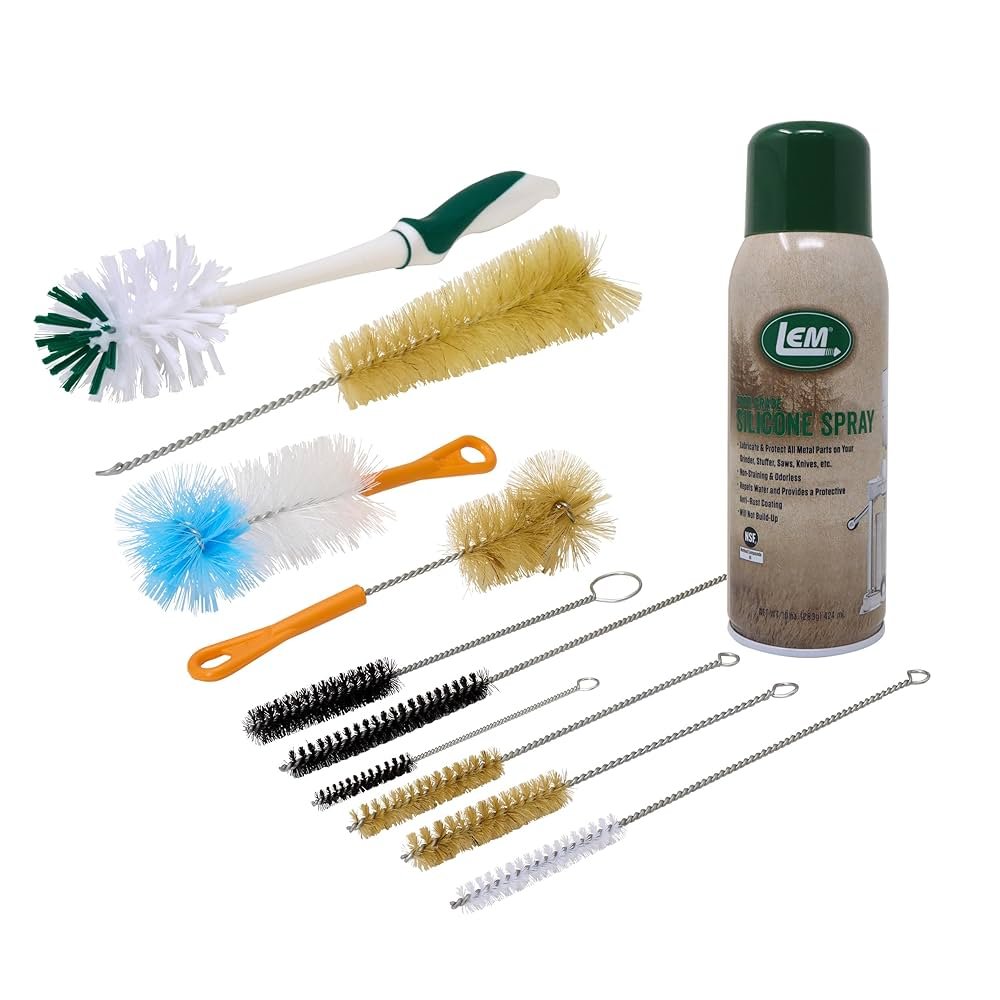
If you use slicer blades regularly, you know how important it is to keep them clean and sharp. But did you know that the right cleaning agent can make a huge difference in how well your blades perform and how long they last?
Choosing the best cleaning agents for slicer blades doesn’t have to be confusing or time-consuming. You’ll discover simple, effective solutions that will protect your blades from rust, bacteria, and dullness. Keep reading, and you’ll learn exactly what to use to keep your slicer blades in perfect shape—so you can work faster, safer, and with better results every time.
Types Of Slicer Blades
Manual bladesrequire physical effort to slice. They are simple and easy to clean. Electric bladesuse motors to slice quickly. They need careful cleaning to avoid damage.
Most slicer blades are made from stainless steel. It is strong and resists rust. Some blades have a carbon steelcore for sharpness but need more care. Ceramic blades stay sharp longer but are fragile.
| Common Blade Sizes | Usage |
|---|---|
| 7 to 10 inches | Home and small shops |
| 10 to 14 inches | Medium-sized businesses |
| 14 to 16 inches | Large restaurants and industrial use |
Credit: www.surlatable.com
Importance Of Proper Cleaning
Proper cleaningis key to keeping slicer blades safe and sharp. It helps stop cross-contamination, which can spread germs and cause illness. Using the right cleaning agents removes food particles and bacteria from the blades.
Keeping blades clean also maintains their sharpness. Dull blades cut poorly and can be dangerous. Clean blades work better and need less force.
Regular cleaning extends the lifespanof slicer blades and the machine itself. Dirt and grime can cause rust and wear down parts quickly. Using proper cleaning agents protects the equipment and saves money.
Top Cleaning Agents
Food-safe detergents clean slicer blades safely. They break down grease and food particles. These detergents are made for kitchens. They are safe for food contact surfaces. Choose a detergent with no harsh chemicals. Ensure it is biodegradable and non-toxic. Always rinse blades well after cleaning. This keeps blades free from residue.
Disinfectants kill germs and bacteria on slicer blades. Use sanitizers after cleaning. They ensure the blades are hygienic. Choose products approved for food areas. Read labels to ensure safety. These products help prevent food contamination. Regular use protects from foodborne illnesses.
Natural cleaners are safe and effective. Use vinegar to clean slicer blades. It cuts through grease and kills germs. Baking soda is another option. It scrubs away dirt gently. Both are eco-friendly and non-toxic. Rinse well after using natural cleaners. Ensure no residue is left behind.
Credit: www.sliceengineering.com
Choosing The Right Cleaner
Cleaning agents must be compatible with blade materialto avoid damage. Stainless steel blades need mild cleaners. Avoid harsh acids or bleach that cause corrosion. Plastic or ceramic blades require gentle, non-abrasive cleaners to keep their surface intact.
Effective cleaners remove all types of residue. Fat, cheese, and meat bits often stick to slicer blades. Choose agents that dissolve grease and protein easily. Enzymatic cleaners work well for organic residues.
Safety is key when selecting cleaning agents. Use non-toxic, food-safe products to protect health. Avoid cleaners with strong fumes or harmful chemicals. Always rinse blades thoroughly after cleaning to remove any residue.
Step-by-step Cleaning Process
First, carefully disassemble the slicer. Remove the blade and other parts gently. This helps to clean every corner well. Keep screws and small parts safe to avoid losing them.
Next, apply cleaning agentsdesigned for slicer blades. Use a soft brush or cloth to scrub the blade. Avoid harsh chemicals; mild detergent or food-safe cleaners work best. Focus on removing grease and food bits.
Finally, rinse all parts with warm waterto remove cleaning agents. Dry everything completely using a clean towel. Wet parts can cause rust or damage. Make sure the blade is fully dry before reassembling.
Maintenance Tips For Sparkling Blades
Regularly check slicer blades for dullnessor rust spots. Clean blades after each use to prevent build-up. Use a soft cloth and mild detergent to wipe blades gently.
Sharpen blades carefully with a sharpening stone or device. Keep the blade angle steady for an even edge. Sharpen often to maintain cutting precisionand safety.
Store blades in a dry placeto avoid moisture damage. Cover blades with protective guards or cloth to prevent accidents. Keep blades separate from other tools to reduce wear and tear.
Common Mistakes To Avoid
Using harsh chemicalscan damage slicer blades quickly. Strong cleaners may corrode metal or dull edges. Choose mild detergents or cleaners made for blades instead.
Skipping routine cleaning lets food particles build up. This causes blades to rust and reduces cutting quality. Clean blades after every use for best results.
Ignoring manufacturer guidelinesrisks voiding warranties and damaging equipment. Follow the instructions for cleaning and maintenance carefully. This keeps blades sharp and safe to use.
Credit: www.victorinox.com
Eco-friendly Cleaning Solutions
Biodegradable agentsbreak down naturally and do not harm the environment. These cleaning solutions are safe for slicer blades and reduce chemical buildup. They help keep water and soil clean.
Reducing chemical waste means using less harmful substances. Choose cleaning agents that have low toxicityand are easy to rinse off. This protects workers and the surrounding area from pollution.
- Use small amounts of cleaning agent to avoid excess waste.
- Recycle containers and packaging when possible.
- Store cleaning products carefully to prevent spills.
Sustainable cleaning habits include regular blade maintenance and gentle scrubbing. Avoid harsh chemicals that can damage slicer blades over time. Using eco-friendly products helps keep the workplace safe and clean.
Frequently Asked Questions
What Are The Safest Cleaning Agents For Slicer Blades?
The safest cleaning agents for slicer blades are food-safe detergents, mild dish soaps, and specialized blade cleaners. These agents effectively remove residue without damaging the blade or leaving harmful residues. Always avoid harsh chemicals that can corrode or dull the blade.
How Often Should Slicer Blades Be Cleaned?
Slicer blades should be cleaned after every use to maintain hygiene and sharpness. Regular cleaning prevents food buildup and bacterial growth, ensuring safe food preparation. Proper cleaning also extends the blade’s lifespan and maintains optimal slicing performance.
Can Bleach Be Used To Clean Slicer Blades Safely?
Bleach can sanitize slicer blades but must be heavily diluted and thoroughly rinsed. Overuse or improper rinsing may cause corrosion or chemical contamination. It’s better to use food-safe sanitizers designed specifically for kitchen equipment.
Which Cleaning Agents Help Prevent Blade Corrosion?
Non-abrasive, pH-neutral cleaners and rust inhibitors help prevent blade corrosion. Avoid acidic or alkaline cleaners that can damage metal surfaces. Regular drying and oiling after cleaning also protect blades from rust.
Conclusion
Choosing the right cleaning agents keeps slicer blades sharp and safe. Regular cleaning stops rust and bacteria build-up. Use gentle but effective cleaners made for metal blades. Avoid harsh chemicals that can damage the blade surface. Clean blades last longer and work better every day.
Proper care saves money and reduces accidents. Remember, clean blades mean clean food and happy customers. Keep your slicer blades clean, simple, and safe.