
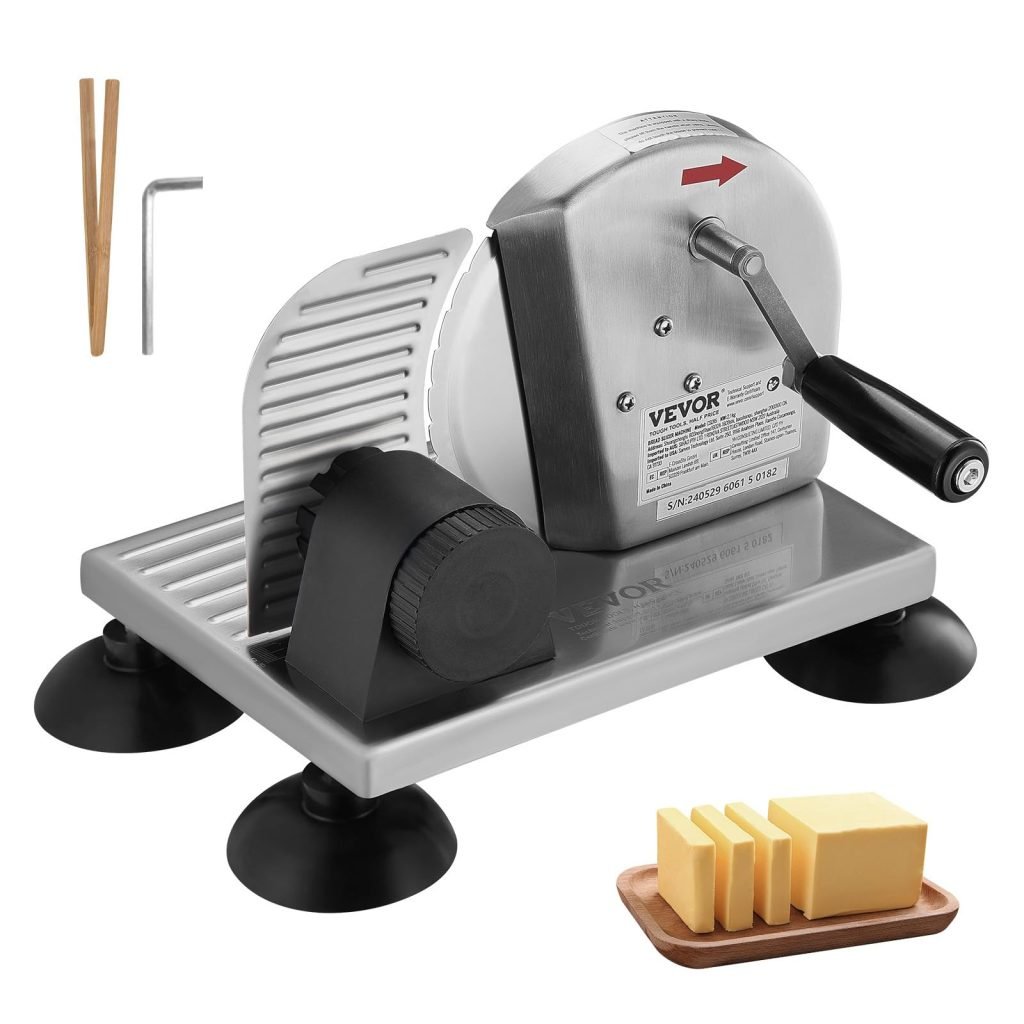
Are you wondering if manual slicers are the right choice for your professional kitchen? Choosing the right slicing tool can make a big difference in speed, precision, and safety.
Manual slicers might seem old-fashioned compared to electric models, but they have unique benefits that could boost your kitchen’s efficiency and quality. Keep reading to discover why manual slicers could be a smart addition to your culinary workspace—and how they might just change the way you prepare food every day.
Credit: www.vevor.ca
Benefits Of Manual Slicers
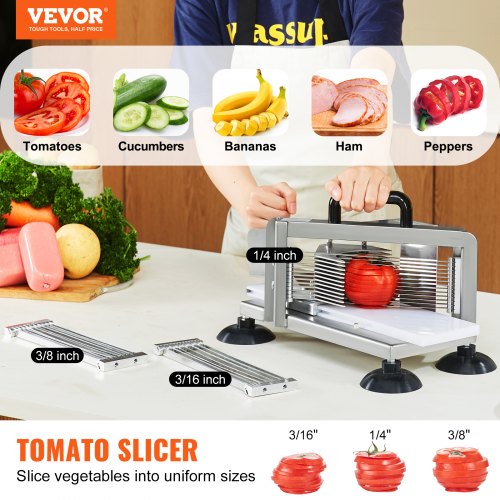
Manual slicersgive chefs better controlover slicing thickness. This helps create uniform slicesfor better presentation and cooking. Users can adjust the blade and slicing speed easily.
Built toughwith strong materials, manual slicers last long in busy kitchens. They can handle heavy use without breaking or losing sharpness. This makes them a reliable toolfor daily tasks.
Manual slicers cost less than electric ones. They need no electricity, which saves money on power bills. Also, they require less maintenance, reducing overall expenses.
Limitations To Consider
Manual slicers may slow down busy kitchens due to their slower slicing speed compared to electric models. They also require more physical effort and skill to use safely and efficiently. Maintenance and cleaning can take extra time, affecting overall workflow.
Manual slicers are not the fastest tools in the kitchen. Electric slicers can cut faster. Manual ones need more time. This can slow down meal prep. Efficiency is important in busy kitchens. Manual slicing takes skill and patience. Using a manual slicer needs muscle strength. Chefs have to push and pull. This can be tiring over time. Long shifts make it harder. Machines do not need human effort. Manual slicers do. Keeping manual slicers clean is very important. Parts must be taken apart for cleaning. This takes time and care. Regular maintenance is needed. Sharp blades can be dangerous. Careful handling is a must to avoid cuts. `Comparing Manual And Electric Slicers
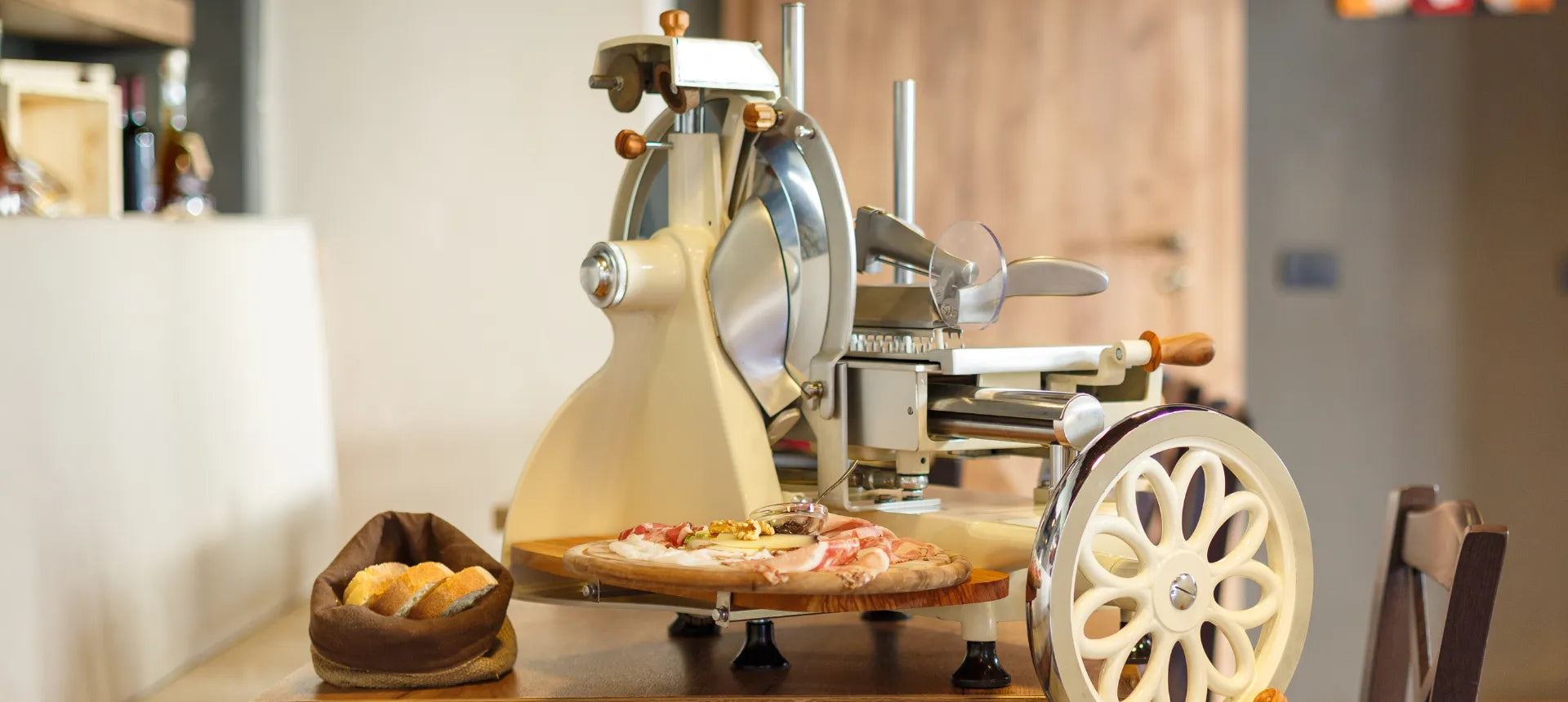
Manual and electric slicers differ in speedand control. Manual slicers offer more precisionbut require physical effort. Electric slicers work faster and suit high-volume tasks. Manual slicers are great for small kitchens with limited space. Electric slicers need more room and power source.
| Feature | Manual Slicers | Electric Slicers |
|---|---|---|
| Performance | Precise, slower, needs effort | Fast, less effort, good for large volumes |
| Kitchen Size | Fits small spaces | Requires more space |
| Safety | Manual control reduces accidents | Safety guards and automatic stops |
- Manual slicersgive better control but slower slicing.
- Electric slicersspeed up work but need more care.
- Manual slicers are easier to clean and store.
- Electric slicers include safety features like blade guards.
Credit: www.parmashop.com
Choosing The Right Manual Slicer
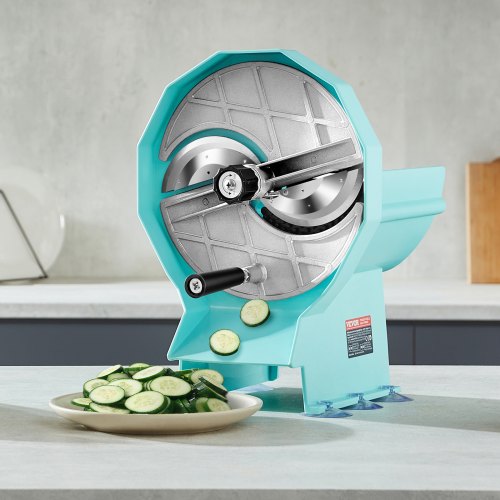
Blade types and sizesaffect slicing quality and speed. Sharp blades made of stainless steel last longer. Different sizes suit different foods. Larger blades handle big items like meats. Smaller blades work well for cheeses and veggies. Choose a blade that fits your kitchen needs.
Material and constructionimpact durability and safety. Heavy-duty metal frames resist damage. Non-slip bases keep slicers steady during use. Easy-to-clean parts reduce time spent on maintenance. Avoid plastic parts, as they may break faster.
Ergonomics and user comfortare key for long shifts. Handles should feel firm but not hard. Smooth operation reduces hand strain. Adjustable thickness controls help make precise cuts. A well-designed slicer keeps users safe and comfortable.
Expert Tips For Optimal Use
Proper handlingof manual slicers keeps users safe and food clean. Always use the guardto protect fingers. Hold the food firmly and move it smoothly across the blade. Avoid rushing. Sharp blades cut better and require less force. Use slow, steady pressure for even slices.
Regular maintenancekeeps slicers working well. Clean the blade and parts after each use to stop rust and bacteria. Check blade sharpness often. Sharpen or replace dull blades quickly. Lubricate moving parts to avoid wear and tear. Store the slicer in a dry place.
- Keep cutting surface clean and dry
- Use correct blade size for different foods
- Slice foods in consistent sizes for better cooking
- Use a firm, steady motion to save energy
- Train staff on proper use to avoid accidents
Credit: www.vevor.ca
Frequently Asked Questions
Are Manual Slicers Efficient For Professional Kitchens?
Manual slicers offer precision and control, ideal for delicate slicing. However, they may be slower than electric models, affecting high-volume tasks. They are best suited for kitchens valuing quality over speed and where staff are skilled in manual slicing techniques.
How Do Manual Slicers Compare To Electric Slicers?
Manual slicers require physical effort and skill, offering precise cuts. Electric slicers provide speed and consistency, ideal for large volumes. Choice depends on kitchen size, workload, and desired slicing quality. Both have roles in professional kitchens depending on specific needs.
Are Manual Slicers Easier To Maintain And Clean?
Manual slicers generally have fewer parts, making cleaning simpler. They require regular blade sharpening and careful handling for safety. Maintenance is cost-effective compared to electric slicers. Proper cleaning ensures hygiene and prolongs slicer lifespan in professional kitchens.
Can Manual Slicers Handle Various Food Types Effectively?
Yes, manual slicers can handle meats, cheeses, and vegetables with precision. They allow adjustable thickness for diverse slicing needs. Skilled operators can achieve consistent results across different food types. This versatility makes them valuable in professional kitchen settings.
Conclusion
Manual slicers offer control and precision in busy kitchens. They work well for chefs who prefer hands-on tools. These slicers save space and need less power than electric ones. Cleaning is quick and simple, which helps maintain hygiene. Though slower than electric slicers, they provide consistent cuts.
Choosing the right slicer depends on kitchen size and workload. Manual slicers remain a solid choice for many professionals. Simple, reliable, and effective tools still have a place today.