

Are you tired of the constant cycle of hand-washing your carving knives after every delicious meal? You may be wondering if you can simply toss them into the dishwasher for a quick and easy clean.
Before you make that decision, it’s crucial to know whether your beloved carving knives are truly dishwasher safe. Understanding the impact of dishwasher cleaning on your knives can save you time, money, and possibly even your favorite kitchen tool. Keep reading to discover the truth about carving knives and dishwashers, and ensure you’re not unknowingly shortening the lifespan of your culinary companions.
Your kitchen routine might just get a whole lot easier!
:max_bytes(150000):strip_icc()/faw-messermeister-avanta-kullenschliff-carving-set-mary-claire-lagroue-4-21c011da6bb34f368f8142bfdd297ecf.jpeg)
Credit: www.foodandwine.com
Dishwasher Safety For Carving Knives
Carving knives come in different materialslike stainless steel, carbon steel, and ceramic. Stainless steel knives usually have a coatingto prevent rust. Carbon steel knives can rust easily and often have no coating. Ceramic knives are very brittle and need careful handling.
High heatand strong water jets in dishwashers can damage knife handles and blades. Wooden handles may crack or swell. Metal parts can corrode faster. Dishwashers also use strong detergents that can wear down coatings and finishes.
Dishwashing can dull knife edges. The sharpnessfades faster due to water and heat exposure. Knives may lose their fine edge and need sharpening more often. Proper hand washing helps keep blades sharper and longer-lasting.
Common Risks Of Using Dishwashers
Dishwashers can cause blade damageand dulling. The strong water jets and heat may make blades lose their sharp edge quickly. Over time, knives may become less effective for cutting.
Handle deteriorationis another problem. Heat and detergent can weaken glue or plastic. Handles might become loose or crack, making knives unsafe to use.
Corrosion and rust issueshappen due to moisture and harsh detergents. Metal parts can start to rust, especially if knives are left wet inside the dishwasher. This shortens the knife’s life and looks bad.
Best Practices For Cleaning Carving Knives
Hand washingis the safest way to clean carving knives. Use warm water and mild dish soap. Avoid soaking knives for too long. Gently scrub the blade with a soft sponge. Rinse thoroughly to remove soap. Dry the knife immediately with a clean towel to stop rust.
Store knives in a dry place to keep blades sharp and safe. Use a knife block or magnetic strip. Avoid tossing knives in drawers where they can get damaged or cause injury. Keep knives separate from other utensils.
- Use protective covers or blade guards to protect the knife edge.
- Covers prevent accidental cuts and blade damage.
- They also help keep knives clean when stored.
:max_bytes(150000):strip_icc()/faw-wusthof-classic-carving-set-black-2-piece-dillon-evans-04-1-fb196c34a6d143d8bd51ecf7c2be651b.jpeg)
Credit: www.foodandwine.com
Expert Recommendations
Carving knives often lose sharpness quickly in dishwashers due to harsh detergents and heat. Experts suggest washing them by hand to keep blades sharp and rust-free. This simple step helps extend the knife’s life and maintain cutting performance.
When To Avoid The Dishwasher
Carving knives with wooden handles should not go in the dishwasher. The heat and water can warp or crack the wood. Knives with high-carbon steel blades may rust or dull faster if washed in a dishwasher. Dishwashers can cause blades to knock against other items, dulling the edge. Hand washing with mild soap and warm water is safer for these knives.
Brands That Are Dishwasher Safe
Certain brands make carving knives that can handle dishwasher cleaning. These knives usually have stainless steel blades and plastic or metal handles. Brands like Victorinox and Wüsthof offer some dishwasher-safe options. Always check the manufacturer’s instructions to be sure. Even dishwasher-safe knives last longer with gentle care.
Maintenance For Longevity
- Wash knives by hand with warm water and mild soap.
- Dry knives immediately to prevent rust and water spots.
- Store knives in a knife block or magnetic strip to protect edges.
- Sharpen knives regularly using a honing rod or sharpening stone.
- Avoid harsh detergents or scrubbing pads that can damage blades.
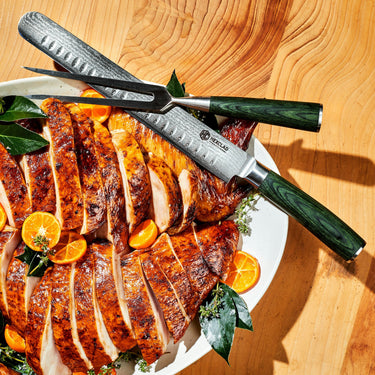
Credit: hexclad.ca
Frequently Asked Questions
Are Carving Knives Dishwasher Safe For Cleaning?
Most carving knives are not dishwasher safe. The heat and detergents can damage the blade and handle. Hand washing preserves sharpness and extends knife life. Always dry knives immediately to prevent rust and corrosion.
What Happens If You Put Carving Knives In Dishwasher?
Dishwasher heat can warp blades, and harsh detergents dull edges. Handles may crack or loosen. Over time, dishwasher cleaning reduces knife performance and appearance. It’s best to avoid dishwasher use for carving knives.
How Should I Clean My Carving Knives Safely?
Clean carving knives by hand with mild soap and warm water. Use a soft sponge to avoid scratching the blade. Rinse thoroughly and dry immediately with a clean towel. Proper care keeps knives sharp and rust-free.
Can Dishwasher Damage Carving Knife Handles?
Yes, dishwasher heat and chemicals can weaken or discolor knife handles. Wooden handles are especially vulnerable and may crack. Plastic handles may also degrade over time. Hand washing is safer to maintain handle durability.
Conclusion
Carving knives often do not fare well in dishwashers. The heat and detergent can dull blades quickly. Handles may crack or loosen over time. Hand washing keeps knives sharp and safe. Dry them immediately to avoid rust. Caring for your knife extends its life.
Choose hand cleaning for the best results. Keep your carving knife ready for every meal. Simple care makes a big difference.