
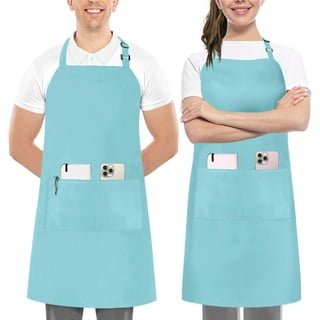
When you’re in the kitchen, safety is just as important as creativity. You might love the sizzle of a hot pan or the warmth of the oven, but those high temperatures can pose a risk.
This is where your trusty apron comes into play. But have you ever wondered, are aprons heat resistant? This question might not cross your mind until you’re in the middle of a culinary masterpiece. As you delve deeper, you’ll discover that not all aprons are created equal.
Unravel the truth behind your apron’s abilities and arm yourself with the knowledge to keep your cooking adventures both safe and stylish. Your safety and peace of mind are just a few sentences away. Stay with us as we explore the fabric of this essential kitchen accessory and what it means for your culinary safety.
Heat Resistance In Aprons
Aprons can offer some heat resistancedepending on the material. Common apron materials include cotton, polyester, leather, and special heat-resistant fabrics. Leather apronsare known for their strong protection against heat and sparks. Cotton aprons provide basic heat resistance but can catch fire if exposed to very high heat. Polyester aprons melt at high temperatures, so they are less heat resistant.
Here is a table showing the temperature limitsof common apron fabrics:
| Material | Heat Resistance Limit |
|---|---|
| Cotton | Up to 400°F (204°C) |
| Polyester | Up to 300°F (149°C) |
| Leather | Up to 700°F (371°C) |
| Kevlar (special fabric) | Up to 900°F (482°C) |
- Leather apronsare best for strong heat protection.
- Cotton apronsare good for light heat and splashes.
- Polyester apronsshould be avoided near flames.
- Kevlar apronsoffer top heat resistance for tough jobs.
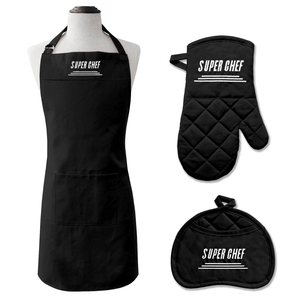
Credit: www.alibaba.com
Types Of Heat Resistant Aprons
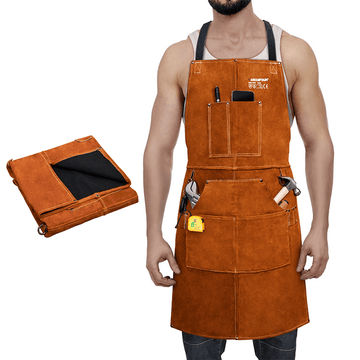
Leather apronsare thick and durable. They protect well from sparks and heat. Often used in welding and metalwork. They last long and resist flames effectively.
Kevlar and aramid fiber apronsare lightweight but strong. They block heat and cuts. Common in firefighting and industrial work. They offer good flexibility and comfort.
Aluminized apronsreflect radiant heat. Made with shiny metal layers. Used near furnaces and hot ovens. They keep the wearer cool and safe from burns.
Silicone-coated apronsresist heat and liquids. They are easy to clean and flexible. Used in kitchens and chemical labs. They protect against hot splashes and steam.
Choosing The Right Apron For Heat Protection
Assessing heat exposure helps choose the best apron. Some aprons resist high heat better than others. Heavy-duty aprons made of materials like leather or treated fabrics offer strong protection. Light cotton aprons do not protect well against heat. Consider how close you are to the heat source. Direct contact needs stronger heat resistance.
Comfort matters. Aprons should allow easy movement. Thick aprons can be heavy and stiff. Choose aprons that fit well and do not restrict arms or shoulders. Breathable fabric helps reduce sweating. Adjustable straps improve fit and comfort during long work hours.
Safety Standards And Certifications
OSHA guidelinesensure aprons meet safety rules for heat protection. These rules help workers stay safe in hot work areas. Aprons must pass tests for heat resistance and durability.
NFPA ratingsshow how well aprons resist fire and heat. The National Fire Protection Association sets these ratings. Higher ratings mean better protection against flames and heat.
| Rating | Protection Level | Common Use |
|---|---|---|
| NFPA 2112 | Flame-resistant clothing | Industrial workers, firefighters |
| NFPA 70E | Electrical safety | Electricians, utility workers |
International safety standardslike ISO also guide apron design. These standards help aprons meet global safety needs. They cover materials and testing for heat resistance.
Care And Maintenance Of Heat Resistant Aprons
Aprons made from special materials can resist heat and protect your skin. Regular cleaning and avoiding harsh chemicals help keep them safe and durable. Proper storage away from flames also extends their life.
Cleaning Instructions
Clean apronsregularly to keep them safe and strong. Use mild detergentand cold waterfor washing. Avoid bleach or harsh chemicals that can weaken the fabric. Let aprons air dryand avoid direct sunlight or high heat. Check care labels for specific instructions to prevent damage.
Storage Tips
- Store aprons in a cool, dry place.
- Hang aprons to keep their shape and avoid creases.
- Keep away from sharp objects that may cause tears.
- Avoid folding aprons tightly to prevent fabric wear.
Signs Of Wear And Replacement
| Signs of Wear | Why Replace |
|---|---|
| Frayed edges or torn fabric | Reduces heat protection |
| Stains or burns | Can weaken material strength |
| Loose or broken straps | May cause improper fit |
| Faded or worn-out fabric | Less effective against heat |
Credit: www.arccaptain.com
Common Applications Of Heat Resistant Aprons
Heat resistant aprons are widely used in industrial and manufacturing settings. Workers wear them to protect against hot liquids, sparks, and flames. These aprons help prevent burns and injuries during heavy-duty tasks.
In cooking and food preparation, heat resistant aprons shield chefs and kitchen staff. They guard against splashes from hot oil and steam. This safety gear is important in busy kitchens where accidents can happen fast.
Scientists and technicians use heat resistant aprons in laboratory and researchenvironments. The aprons protect from chemical splashes and heat sources. They help keep lab workers safe while conducting experiments.
Enhancing Safety Beyond Aprons
Aprons alone do not fully protect against heat. Using additional protective gearincreases safety. Heat-resistant gloves shield hands from burns. Face shields or goggles protect eyes from hot splashes. Wearing long sleeves and flame-resistant clothing adds extra defense.
Safe handling practicesare key. Always use tools like tongs or mitts to handle hot items. Keep your work area clean to avoid accidents. Avoid rushing to reduce spills and burns. Stay focused on your tasks.
| Emergency Procedures | Steps to Follow |
|---|---|
| Burn Treatment | Cool burn with cold water for 10 minutes. |
| Fire Safety | Use a fire extinguisher or fire blanket immediately. |
| Seek Help | Call emergency services if injury is severe. |

Credit: nebrixlimited.com
Frequently Asked Questions
Are Aprons Made From Heat-resistant Materials?
Many aprons use heat-resistant fabrics like Kevlar or silicone. These materials provide protection against heat, sparks, and flames, making them ideal for cooking and industrial use.
Can Regular Aprons Protect Against High Heat?
Regular aprons often lack heat resistance. They offer limited protection from hot splashes and spills but are not suitable for direct heat exposure or flames.
How Do Heat-resistant Aprons Work?
Heat-resistant aprons use special fibers and coatings that reflect or absorb heat. This minimizes heat transfer to the wearer, reducing the risk of burns during cooking or welding.
Are Heat-resistant Aprons Safe For Kitchen Use?
Yes, heat-resistant aprons are safe and recommended in kitchens. They protect against hot oil splashes, steam, and flames, improving safety for chefs and home cooks alike.
Conclusion
Aprons can offer some heat protection but are not fully heat resistant. Materials like cotton and polyester help block small heat splashes. For strong heat or flames, special heat-resistant aprons work better. Always check the apron’s label for heat safety details.
Wearing the right apron helps keep you safer in the kitchen. Remember, no apron can replace careful handling of hot items. Stay alert and use aprons as one part of your safety routine.