
When it comes to cooking with wood pellets, you might wonder: are all wood pellets safe for food? This question matters because the wrong pellets could affect the taste of your meal or even your health.
You want to make sure you’re using the best and safest option for your grill or smoker. You’ll discover what makes some wood pellets safe for cooking and why others might not be. By the end, you’ll know exactly how to choose pellets that keep your food delicious and safe every time.
Keep reading to protect your meals and enjoy amazing flavors with confidence.
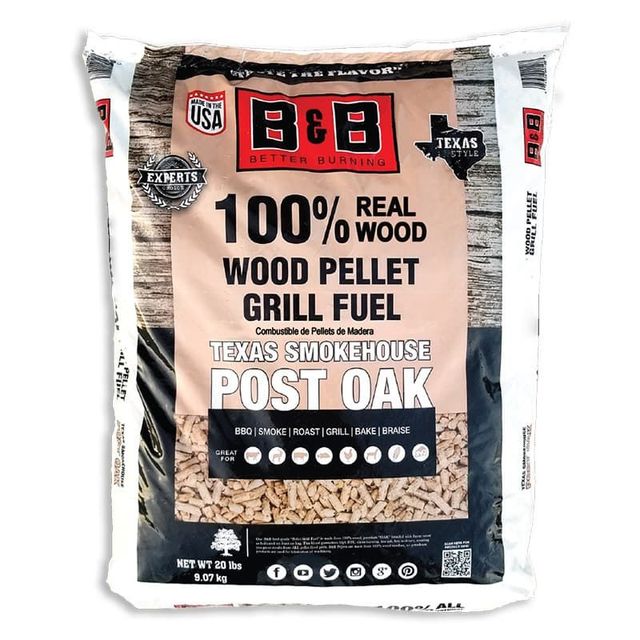
Credit: www.bbcharcoal.com
Types Of Wood Pellets
Fuel-grade pelletsare made for heating and energy. They often contain binders and additivesthat are not safe for cooking or food use. These pellets can release harmful chemicals if used near food.
Food-grade pelletsare made from pure wood without chemicals or binders. These pellets are safe for grilling, smoking, and cooking. They provide clean smoke and do not affect food taste.
| Type | Purpose | Safety for Food | Common Use |
|---|---|---|---|
| Fuel-Grade Pellets | Heating and energy | Not safe for food | Home heating, power |
| Food-Grade Pellets | Cooking and smoking | Safe for food | Barbecue, smoking meat |
Risks Of Using Non-food-grade Pellets
Non-food-grade wood pellets may contain harmful chemicals. These include binders, coatings, and additivesnot safe for cooking or smoking food. Using these pellets can cause chemical contaminationof your food.
These contaminants can change the tasteof your food. The food might taste bitter, smoky, or strange. This can ruin the cooking experience and make food unsafe to eat.
Food safety is important. Using the wrong pelletscan lead to health risks. Always choose food-grade pelletsto avoid these problems.
Identifying Safe Wood Pellets
Safe wood pellets for food use must have clear certifications. Look for USDA Organicor FDA approval. These labels show the pellets are free from harmful chemicals. Pellets made from natural hardwoodwithout additives are usually safer.
Trustworthy brands and suppliers provide detailed product info. They often share where the wood comes from and how pellets are made. Buying from known companies reduces risks of contaminated pellets. Check for customer reviews and third-party testing reports.
| Certification | What It Means |
|---|---|
| USDA Organic | Made without synthetic chemicals or harmful additives |
| FDA Approval | Safe for food contact and cooking use |
| Third-Party Testing | Verified free from toxins and contaminants |
Credit: balcasenergy.com
Safe Storage And Handling
Wood pellets must stay dryto avoid moldgrowth. Moisture causes pellets to swell and lose quality.
Store pellets in a cool, dry placewith good air flow. Avoid damp basements or outdoors.
- Use airtight containersto keep moisture out.
- Plastic bins or metal cans with tight lids work well.
- Keep containers off the floor to stop water damage.
- Check pellets regularly for signs of mold or moisture.
Proper storage helps keep pellets safe for food use. It prevents contamination and maintains pellet quality.
Tips For Using Pellets In Cooking
Choose food-grade wood pelletsfor cooking to avoid harmful chemicals. Some pellets contain additives or binders not safe for food. Look for pellets labeled as 100% hardwoodor naturalwith no fillers.
Keep your grill and smoker clean to prevent old grease or residue from affecting flavor. Regularly remove ash and leftover pellets. Clean grates and surfaces with a brush after each use. This helps maintain pure smoke flavorand avoids contamination.
Credit: medium.com
Frequently Asked Questions
Are All Wood Pellets Safe For Cooking Food?
No, not all wood pellets are safe for cooking. Only food-grade pellets made from pure hardwood without additives are safe. Avoid pellets with chemicals, binders, or fillers that can release harmful toxins during cooking.
How To Identify Food-safe Wood Pellets?
Food-safe pellets are labeled as “food-grade” or “BBQ pellets. ” They contain no artificial additives or chemicals. Always check packaging and buy from reputable brands to ensure safety.
Can Using Non-food-grade Pellets Harm Food Flavor?
Yes, non-food-grade pellets can release chemicals and unpleasant odors. This affects food taste and may pose health risks. Always use food-grade pellets for clean, natural smoke flavor.
Why Are Some Wood Pellets Unsafe For Food Use?
Some pellets contain binders, fillers, or chemicals to aid burning. These substances can emit toxic fumes when heated. Only pure hardwood pellets without additives are safe for food use.
Conclusion
Choosing the right wood pellets matters for safe cooking. Not all pellets are food-safe. Always check for additives or chemicals. Look for pellets marked as food-grade. These are safe for grilling and smoking. Trustworthy brands often label their products clearly.
Read labels before buying. Ensuring safety enhances the flavor of your food. Your health and taste buds will thank you. Enjoy your meal with peace of mind. Stay informed, cook wisely, and savor every bite. Your choice impacts both safety and flavor.
Happy grilling!