
Picture this: you’ve just prepared a delicious dish, ready to be baked to perfection. You reach for that beautiful ceramic bowl, and then a thought crosses your mind: is it really safe to put this in the oven?
This moment of hesitation is familiar to many, and you’re not alone in questioning whether all ceramic bowls are oven safe. Your cooking adventures deserve to be stress-free, and understanding the capabilities of your kitchenware is essential. We’ll unravel the mystery surrounding ceramic bowls and their oven safety.
You’ll discover the key factors that determine if your favorite bowl can handle the heat, and learn how to avoid any unpleasant surprises in your culinary endeavors. So, if you want to protect your kitchen creations and ensure your ceramic treasures remain intact, read on to find out everything you need to know.
Ceramic Bowls: An Overview
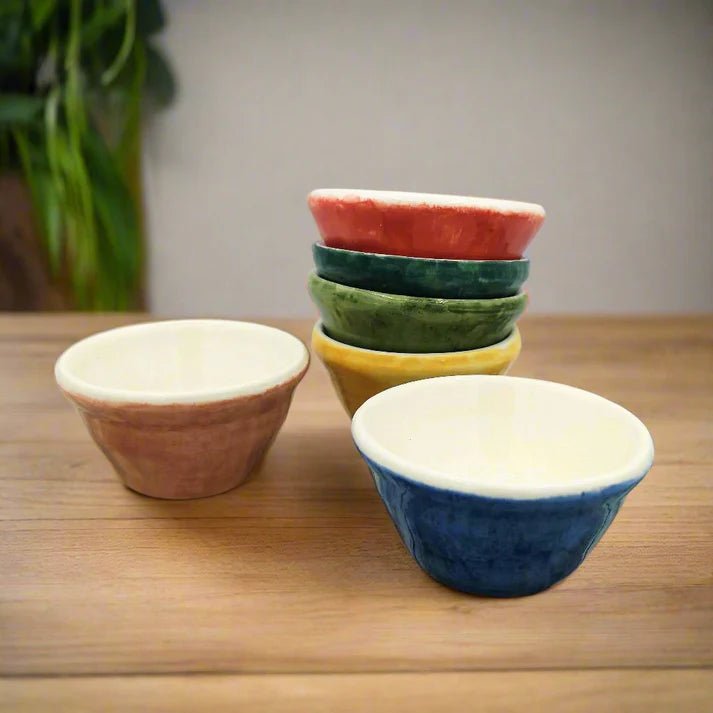
Ceramic bowls are made from clay and baked at high temperatures. They are popular for their durability and attractive designs. Many people use them for serving food and drinks. Some ceramic bowls can be used in ovens. Not all ceramic bowls are oven safe. Always check the manufacturer’s instructions first. Ceramic bowls vary in thickness and material composition. These factors affect their ability to withstand heat. Using a bowl that is not oven safe can cause it to crack or break. This can be dangerous and messy.
Credit: www.surlatable.com
Material Composition
Ceramic bowls are made from clay. They are fired at high temperatures. This process makes them strong. But not all are oven safe. The type of clay matters. Also, the glaze used is important. Some glazes can’t handle heat well.
Always check if the bowl is labeled as oven safe. Look for symbols or text on the bowl. Some ceramic bowls are just for decoration. These might crack in the oven. It’s best to use bowls made for baking. They are designed to handle heat.
Never put cold ceramic in a hot oven. The sudden change can cause cracks. Let the bowl warm up slowly with the oven. This helps it stay strong. Always handle hot bowls with care. Use oven mitts to protect your hands.
Factors Affecting Oven Safety
Ceramic bowls are not all oven safe. Factors such as glaze type and bowl thickness can affect safety. Always check manufacturer’s instructions before use.
Some ceramic bowls have a special glaze. This glaze can affect oven safety. Lead-free glaze is important. It keeps your food safe. Some coatings can crack in heat. Always check for oven-safe labels. Thicker bowls handle heat better. They spread heat evenly. This helps them stay strong. Dense ceramics resist breaking. Thin ceramics can crack easily. Always choose sturdy bowls for the oven. Ceramic bowls have a temperature limit. Some can take high heat. Others might break easily. Check the label for temperature limits. Most bowls are safe up to 350°F. But some can handle more heat. Always follow the manufacturer’s advice. `Identifying Oven-safe Bowls
Check the bowl’s bottom for a label. The label often tells if it’s oven-safe. Look for words like “oven-safe” or symbols showing an oven. These labels are important. They help you avoid breaking the bowl in the oven. If there’s no label, be careful. It might not be safe for the oven. Some bowls crack under heat.
Oven-safe bowls have a thick and sturdylook. The material feels strong and solid. Bowls with a glossy finishmight not be safe. Check for any cracks or chips. These can make the bowl unsafe. Smooth and even surfaces are a good sign. Plain designs often mean the bowl is safer. Fancy designs can hide weak spots.
Testing At Home
Not all ceramic bowls are oven safe. Some may crack under high heat. Always check the manufacturer’s guidelines before use.
Simple Heat Tests
Start with a small heat test. Place the ceramic bowl in a cold oven. Turn the oven to 350°F. Wait for 15 minutes. Check for any cracks or changes. Let the bowl cool down before touching.
If the bowl has no damage, it might be oven safe. Repeat the test at a higher temperature, like 400°F. Always start with a cold oven. Never put a cold bowl in a hot oven.
Warning Signs
Look for visible cracks or chips. These can make the bowl unsafe. Listen for any popping sounds. This might mean the ceramic is weak. Glazed surfaces can sometimes bubble. This is a warning sign. A bowl with metallic designs is not oven safe. The designs might cause sparks.
Common Myths
Not all ceramic bowls are oven safe. Some crack under high heat. Always check the manufacturer’s instructions before use.
All Ceramic Bowls Are Oven Safe
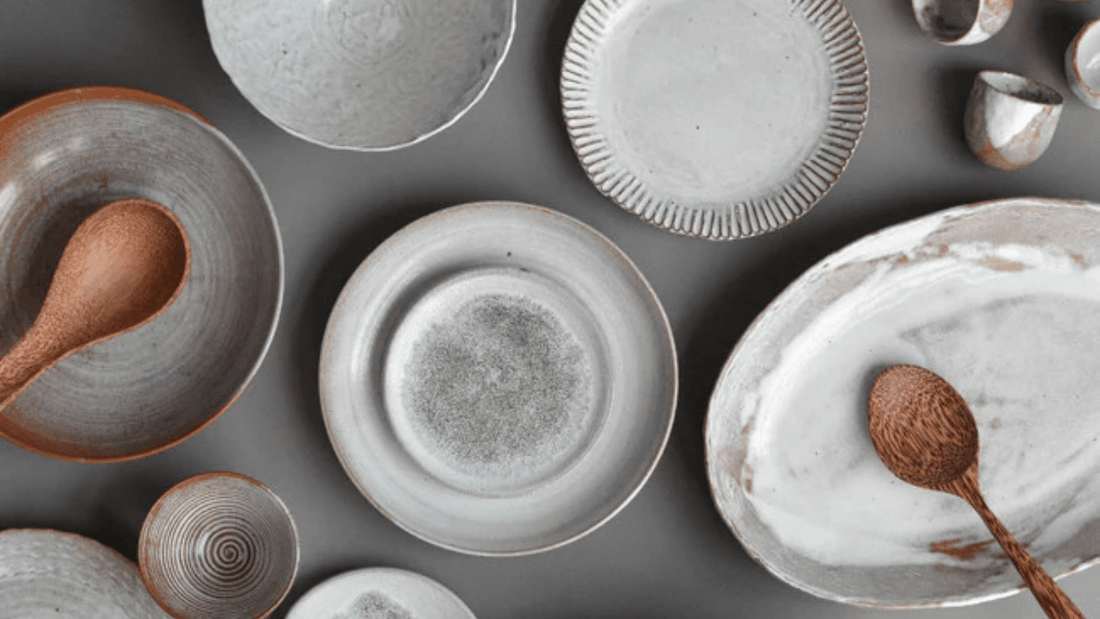
Not all ceramic bowls can go in the oven. Some crack with heat. Always check labels before using them. Manufacturers often print safety instructions. Glazed bowls might have chemicals that react. These can cause damage in ovens. Handmade ceramics may not withstand high temperatures. They can break easily. Bowls made for serving aren’t usually oven-safe. They can’t handle heat like cooking ceramics. Microwave-safe doesn’t mean oven-safe. Different processes are involved in making them. Porcelain bowls are often safe for ovens. But check each type carefully.
Ceramic Bowls Are Heatproof
People think ceramics resist heat. This isn’t always true. Some ceramics are fragile. Temperature changes can cause cracks. Thermal shock affects many ceramics. Rapid heating can break them. Not all ceramics are made the same. Kiln-fired bowls are tougher. They handle heat better. Low-fired ceramics might not be durable. Each bowl has different qualities. Knowing these helps keep them safe.
Care Tips For Oven-safe Bowls
Not all ceramic bowls are oven safe; check manufacturer instructions before use. Inspect for any cracks or defects. Use ceramic bowls within recommended temperature limits to avoid damage.
Proper Cleaning
Use mild soap and warm water to wash. Avoid harsh scrubbers to prevent scratches. Rinse thoroughly to remove soap residue. Ensure the bowl is completely dry before storing. Check for any cracks or damage after cleaning.
Safe Handling
Always handle bowls with care. Use oven mitts to avoid burns. Never place a cold bowl into a hot oven. Let the bowl cool down before washing. Avoid sudden temperature changes to prevent cracking. Store bowls in a safe place to prevent falls.
Credit: www.kimecopak.ca
Alternatives To Ceramic Bowls
Not all ceramic bowls are oven safe. Glass bowls, cast iron dishes, and stainless steel containers offer safer alternatives. These materials withstand high temperatures better, ensuring durability and safety during baking or roasting.
Glass Options
Glass bowls are a safe choice for ovens. They can handle heat well. Glass is durable and doesn’t break easily. It doesn’t change the taste of food. These bowls look clear and pretty. You can see your food inside. Glass doesn’t have harmful chemicals. It is easy to clean too. Always check if the glass bowl is oven-safe. Some glass bowls might not be strong enough.
Metal Choices
Metal bowls are strong and sturdy. They are perfect for baking. Metal can heat food evenly. It lasts longer than other materials. Stainless steel is a popular choice. It doesn’t rust or stain. Aluminum bowls are lightweight and easy to carry. Metal bowls might change taste of some foods. Always choose food-safe metal bowls. They should be free from harmful chemicals.
Credit: www.surlatable.com
Frequently Asked Questions
Can You Put A Regular Ceramic Bowl In The Oven?
Ceramic bowls can be oven-safe if labeled as such. Always check for oven-safe markings or manufacturer guidelines. Regular ceramic may crack or shatter under high heat. Using oven-safe ceramics ensures safety and prevents damage. Avoid sudden temperature changes to protect the bowl.
Always prioritize safety and proper usage.
What Happens If You Put Non Oven-safe Ceramic In Oven?
Non oven-safe ceramic can crack or shatter in the oven. Sudden temperature changes cause thermal shock. Always use ceramic labeled as oven-safe to prevent damage or safety risks.
Can Ceramic Bowls Crack From Heat?
Ceramic bowls can crack from heat if exposed to sudden temperature changes. Use oven-safe bowls to prevent cracking. Avoid placing hot bowls on cold surfaces. Let them cool gradually to maintain their integrity. Always check the manufacturer’s guidelines for temperature limits.
Proper care ensures longevity of your ceramic bowls.
Can You Put Ceramic In The Oven At 350?
Yes, you can put ceramic in the oven at 350°F. Ensure it’s oven-safe and avoid sudden temperature changes. Always check manufacturer’s guidelines for safety.
Conclusion
Ceramic bowls can be oven safe, but not all are. Always check the manufacturer’s guidelines before using them in the oven. Look for labels or symbols indicating heat resistance. Some bowls might crack under extreme temperature changes. Consider the bowl’s thickness and glaze quality.
Test with caution if unsure. Proper usage extends their lifespan. Safe ceramic bowls enhance your cooking experience. Enjoy baking and serving with confidence. Remember, safety first ensures delicious meals. Choose wisely for your kitchen needs. Your culinary creations deserve the best tools.
Happy cooking and baking!