

Are you ready to unlock the secret to making your dishes richer and more flavorful? Rendering beef tallow in the oven is a simple yet transformative cooking technique that can elevate your culinary creations to new heights.
Imagine the satisfaction of knowing you can make this versatile cooking fat right in your own kitchen. Beef tallow is not just a cooking staple; it’s a game-changer for anyone passionate about wholesome, delicious food. With easy-to-follow steps and minimal effort, you can turn basic beef fat into a golden treasure that enhances everything from roasted vegetables to flaky pastries.
Curious to find out how? Let’s delve into the process that will have you wondering why you didn’t try this sooner.
What Is Beef Tallow?
Beef tallow is a type of fat from beef. It comes from the suet around the kidneys and loins. People use tallow for cooking and making soap. It is solid at room temperature. Tallow can be stored for a long time without spoiling.
This fat is rich in flavor and nutrients. Many use it instead of vegetable oils. Tallow adds a deep, savory taste to dishes. It is especially good for frying foods. Some even use it in skin products. It helps to keep skin soft and smooth.
Rendering beef tallow is simple. You can do it at home with an oven. The process is not hard, and the result is worth it. Use beef tallow for cooking or making candles. Enjoy its benefits in many ways!
Credit: www.facebook.com
Benefits Of Using Beef Tallow
Beef tallowis a healthy choice for cooking. It is rich in healthy fatsand vitamins. It helps in making food crispy and tasty. Many people like its natural flavor. It is also good for high-temperaturecooking. It does not break down easily.
Using beef tallow can be cost-effective. You can save money by using it. It lasts longer than other oils. It is a great choice for frying and baking. Beef tallow is also environmentally friendly. It reduces waste by using all parts of the beef.
Many chefs prefer beef tallow. They like how it improves the flavor. It makes dishes more delicious. Beef tallow is a traditional cooking fat. It has been used for centuries. People trust its quality and benefits.
Choosing The Right Beef Fat
There are different types of beef fat. The two main types are suetand trimmings. Suet comes from around the kidneys. It is pure and white. Trimmings are from other parts of the cow. They may have some meat attached. Both types are good for making beef tallow. Suet is cleaner and easier to use. Trimmings might need more preparation.
Beef fat can be found at butcher shops. Farmers’ markets often sell it too. Ask the butcher for grass-fed beef fat. This type is healthier and has a better taste. Some grocery stores have beef fat in the meat section. Online stores also sell beef fat. Make sure to check the quality before buying.

Credit: www.lilyhillcattle.com
Preparing The Fat For Rendering
Preparing the Fat for Rendering Chop beef fat into small pieces for even melting. Use a sharp knife for best results. Clean thoroughly to remove impurities.
Trimming And Cutting
Trim off any excess meat and sinew from the beef fat. Use a sharp knife to make clean cuts. Cut the fat into small, even pieces. Smaller pieces melt faster in the oven. This makes the rendering process quicker and more efficient.
Cleaning The Fat
Rinse the fat pieces under cold water. Remove any remaining blood or debris. Pat the fat dry with paper towels. Dry fat renders better in the oven. Ensure no water remains on the fat pieces. This prevents splattering during cooking.
Setting Up The Oven
Preheat the oven to 250°F (120°C). Spread beef fat evenly on a baking tray. Bake until fully melted, stirring occasionally for even rendering.
Temperature Settings
Preheat your oven to 250 degrees Fahrenheit. This low temperature helps melt the fat slowly. Slow melting ensures a smooth tallow texture. Avoid setting the oven too high. High heat can burn the tallow.
Choosing The Right Pan
Use a heavy-duty roasting pan. It distributes heat evenly. Choose a pan with tall sides. This prevents splashes and messes. A sturdy pan is important for safety. Non-stick pans help with easy cleaning.
Credit: homelyhens.com
Step-by-step Rendering Process
Cut beef fat into small pieces. Spread them on a baking sheet. Bake at 250°F until melted, stirring occasionally.
Layering The Fat
Place the beef fat in a baking dish. Make sure it’s in a single layer. This helps the fat melt evenly. Use a sharp knife to remove any meat bits. These can burn and spoil the taste. Cut the fat into small pieces. This will make it melt faster.Monitoring Progress
Set the oven to a low temperature, around 250°F. Check the fat every 30 minutes. Stir gently with a wooden spoon. This helps it melt without burning. Keep an eye on the color. It should turn golden and clear.Straining The Tallow
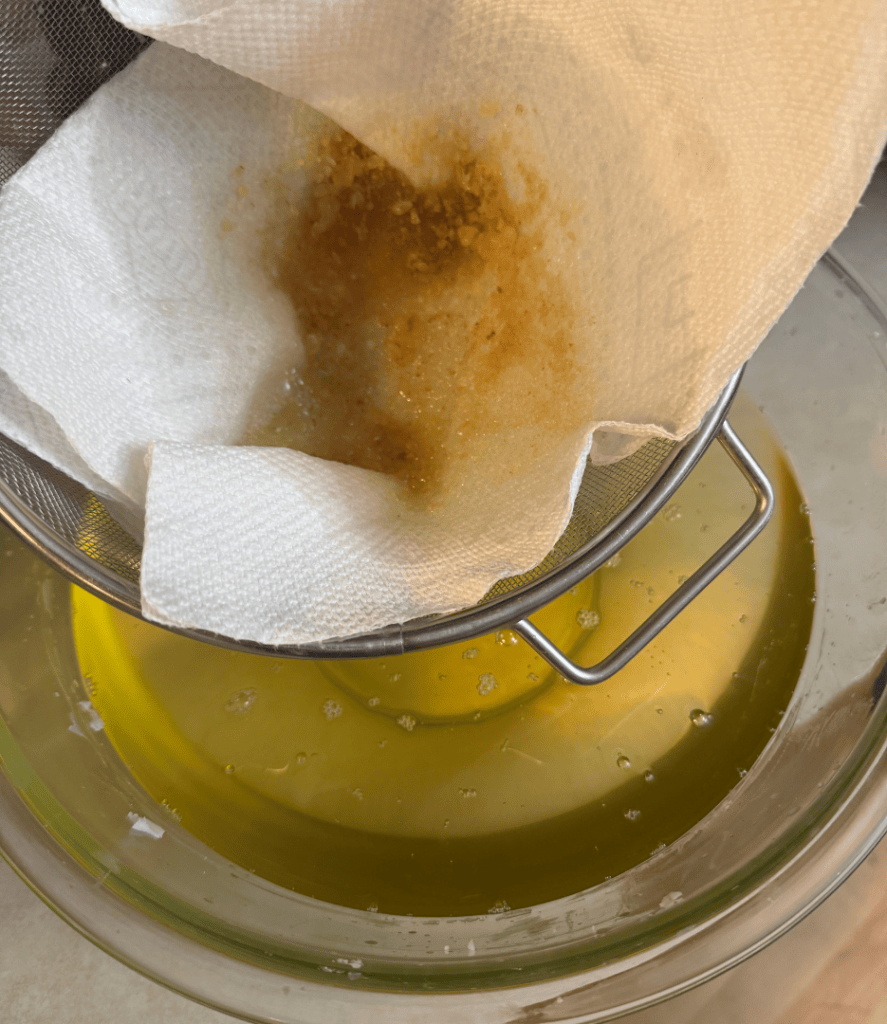
Once melted, carefully pour the liquid through a fine strainer. A cheesecloth works well too. This removes any leftover bits. Let the tallow cool in a clean jar. It will turn solid as it cools. Store it in a cool place for future use. `Storing And Using Beef Tallow
Rendering beef tallow in the oven is simple. Cut beef fat into pieces and place in a baking dish. Bake at a low temperature until melted, then strain to remove impurities. Store in a clean jar and use for cooking or baking.
Proper Storage Methods
Beef tallow stays fresh for a long time. Keep it in a cool place. Use a glass jar with a tight lid. Store in the fridge or freezer. Ensure no air gets in. This prevents spoilage. Label the jar with the date. This helps track freshness. Avoid using plastic containers. They might affect flavor.
Creative Uses In Cooking
Beef tallow can make food taste better. Fry potatoes for a crispy texture. Use it to cook eggs. Spread on toast for a savory bite. Roast vegetables with it for rich flavor. Make pie crusts flaky and delicious. Add a spoon to soups for depth. It can replace butter in recipes. Try it in homemade sauces. Enjoy its unique taste.
Troubleshooting Common Issues
Rendering beef tallow in the oven can sometimes lead to uneven melting or burning. Ensuring the temperature is set low helps achieve a smooth render. Regularly stirring the tallow and monitoring closely prevents scorching and ensures a clear, clean result.
Avoiding Burnt Tallow
Burnt tallow happens if the temperature is too high. Keep the oven at low heat. Check the tallow often to avoid burning. Use a timerto remind you. Stir the tallow gently while cooking. This helps it cook evenly. If the tallow smells burnt, turn off the oven.
Dealing With Impurities
Impurities make tallow look dirty. Use a fine mesh strainerto remove them. Strain the tallow once it melts. Let it cool before straining. Be careful not to spill. Use a clean spoon to scrape impurities. Store in a clean container. This keeps the tallow pure and nice.
Tips For Perfect Beef Tallow
Pick fresh and high-quality beef fat. The best fat comes from grass-fed cows. This gives the tallow a better taste. Make sure the fat is free from blood and meat.
Set the oven to 250°F (120°C). A low temperature is important. It helps the fat melt slowly and evenly.
Use a sharp knife to cut the fat. Smaller pieces melt faster. This saves time and energy.
Place the fat in a deep baking dish. This prevents spills. A deep dish also holds more fat.
Check the fat every 30 minutes. Stir it gently with a spoon. This helps the fat melt evenly.
Use a fine mesh strainer. Pour the melted tallow into a jar. This removes any solid bits.
Frequently Asked Questions
What Temperature To Render Beef Tallow In The Oven?
Render beef tallow in the oven at 250°F (121°C). This low temperature melts the fat slowly. Use a baking dish or roasting pan. Ensure even heat distribution. Stir occasionally to prevent sticking. Render until the fat is clear and liquid.
Strain out solids once fully rendered.
Can You Render Tallow Too Long?
Yes, rendering tallow too long can result in burnt fat. It may affect the texture and flavor negatively. Monitor the process closely to ensure optimal quality and avoid overcooking.
Should You Render Tallow With Lid On Or Off?
Render tallow with the lid off to allow moisture to evaporate. This prevents steaming and ensures better quality. Keeping the lid off helps maintain a consistent temperature and avoids condensation, resulting in a clearer, purer tallow.
How Long To Render Beef Fat At 250 Degrees?
Rendering beef fat at 250 degrees Fahrenheit takes 4 to 5 hours. Stir occasionally for even melting. Once fully melted, strain the liquid to remove any solids. Store the rendered fat in a clean jar for future use.
Conclusion
Rendering beef tallow in the oven is simple and rewarding. The process involves melting the fat slowly. This creates a pure and versatile cooking ingredient. Use it for frying or baking to enhance flavors. The oven method requires minimal effort and time.
Perfect for busy cooks seeking healthy alternatives. Enjoy the rich taste and benefits of homemade tallow. It’s a great way to utilize beef trimmings. Plus, it adds value to your kitchen. Try it out and savor the results!