
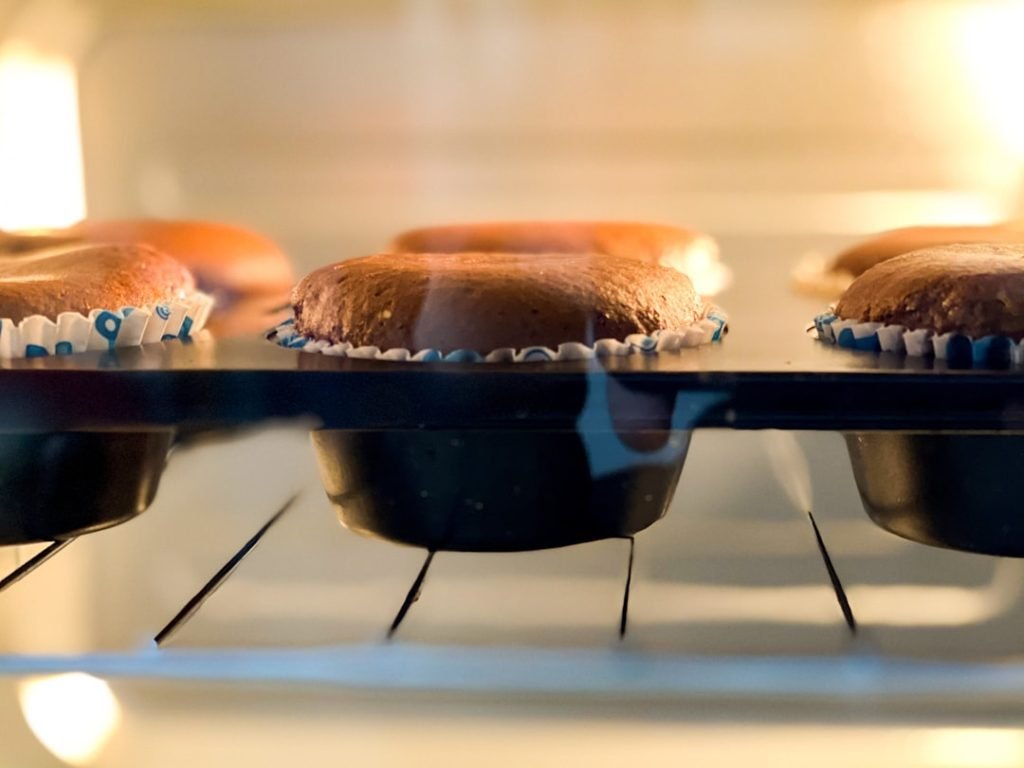
Imagine the aroma of a freshly baked cake filling your kitchen, but instead of using a traditional oven, you’re using a Dutch oven. Intriguing, right?
You might wonder if it’s possible to bake a cake in such a versatile piece of cookware. The answer is a resounding yes, and it’s simpler than you might think! Whether you’re camping under the stars or simply looking to try something new in your kitchen, a Dutch oven offers a unique way to create delicious baked goods.
You’ll discover why your Dutch oven is more than just a tool for soups and stews. You’ll learn the secrets to achieving a perfectly moist cake and the ease with which you can impress your friends and family. Keep reading to uncover the magic of Dutch oven baking and elevate your culinary skills!
Dutch Oven Basics
Baking a cake in a Dutch oven is simple and rewarding. The even heat distribution ensures a moist cake. Use a trivet to prevent burning the bottom.
A Dutch oven is a versatile cooking tool. It is a heavy pot with a lid. Made from cast iron, it holds heat well. This makes it great for baking cakes. The lid traps heat inside. It helps cook evenly. You can use it on a stove or in an oven. Always preheat it for best results. Line it with parchment paper. This prevents sticking. Use oven mitts to handle it. It gets really hot!
Choosing The Right Ingredients
Start with fresh ingredients for the best cake. Use all-purpose flour for a soft cake. Sugar makes the cake sweet and tasty. Baking powder helps the cake rise. Butter adds rich flavor and keeps it moist. Eggs give structure to your cake. Milk makes the cake soft and fluffy. Vanilla extract adds a sweet smell. Mix these well for a perfect cake batter.
Add fruits or nuts for extra flavor. Chocolate chips make it chocolaty. Want a spice cake? Add cinnamon or nutmeg. Always measure your ingredients carefully. This keeps the cake from becoming too dry or too wet. The right balance makes all the difference. Following these tips ensures a delicious cake.
Preparing Your Dutch Oven
Ensure your Dutch oven is clean. Use warm water and a soft brush. Avoid soap as it can strip the seasoning. Dry it completely to prevent rust. Season by applying a thin layer of oil. Heat it in the oven until it smokes slightly. This helps create a non-stick surface.
Preheat the Dutch oven for even baking. Place it in the oven at 350°F. Allow it to heat for 20 minutes. A warm Dutch oven helps the cake bake evenly. Make sure the lid is also warm. This ensures consistent heat distribution.

Credit: www.youtube.com
Cake Recipes For Dutch Ovens
Baking a cake in a Dutch oven is possible and fun. This method offers a unique twist to traditional baking. Enjoy moist and delicious results with minimal effort.
Classic Vanilla Cake
This cake is soft and fluffy. Use a simple mixof flour, sugar, and vanilla. Mix in eggs, milk, and butter for a creamy texture. Pour the batter into a greased Dutch oven. Bake over low heat for 30 minutes. Test with a toothpick for doneness. Let it cool before serving. Enjoy this classic treatwith a glass of milk.
Rich Chocolate Delight
Chocolate lovers will enjoy this rich cake. Start with flour, sugar, and cocoa powder. Add in melted chocolate for extra flavor. Mix with eggs and milk until smooth. Pour into a greased Dutch oven. Bake for 35 minutes on low heat. Check with a toothpick to ensure it’s done. Cool before slicing. This cake is perfect for a chocolate craving.
Baking Techniques
Baking a cake in a Dutch oven is possible and quite simple. This method provides even heat distribution for perfect results. Just prepare your cake batter, pour it into a greased Dutch oven, and place it on a heat source.
Temperature Control
Baking a cake in a Dutch oven requires careful temperature control. Use a thermometer to check the oven’s heat. Maintain a steady temperature for even baking. Avoid sudden changes in heat, which can affect the cake’s texture. Preheat the Dutch oven before placing the cake inside. This helps achieve a consistent baking environment. Cover the Dutch oven with a lid to trap heat. This method mimics the effect of a traditional oven.
Timing And Monitoring
Keep an eye on the baking time. Dutch ovens can bake faster than regular ovens. Check the cake periodically to prevent over-baking. Insert a toothpick to test if the cake is done. If it comes out clean, the cake is ready. Adjust the baking time based on your cake recipe. Use a timer to remind you when to check. Regular monitoring ensures the cake is perfectly baked.
Troubleshooting Common Issues
Baking a cake in a Dutch oven can be a delightful experience. Ensure even heat distribution by using a heat diffuser. Monitor the cake closely to prevent burning and achieve perfect results.
Preventing Burning
Use a heat diffuser to spread the heat evenly. Place it under the Dutch oven. Check the temperature often. Keep it around 350°F or lower. Use parchment paper to line the oven. This helps stop burning on the bottom. Avoid placing the Dutch oven directly on hot coals. Instead, place it over a few spread-out coals. Watch closely and adjust heat as needed.
Ensuring Even Cooking
Rotate the Dutch oven every 15 minutes. Turn it a quarter turn. This helps the cake cook evenly. Use a lid lifter to rotate the lid. This keeps heat evenly spread. Ensure the Dutch oven is preheated. This promotes even cooking from the start. Spread coals evenly around the lid and base. This keeps heat uniform inside.
Creative Cake Variations
Dutch ovens can transform ordinary cake recipes into rustic delights. Their even heat distribution ensures a moist and flavorful bake. Experiment with various cake flavors and enjoy a unique baking experience.
Fruit-infused Cakes
Adding fruit makes cakes taste special. Apples, berries, or bananas work well. Fresh or dried fruits can be used. They give cakes a sweet and tangy flavor. Bananas make cakes soft and moist. Berries add bright colors. Apples give a nice crunch. Try mixing different fruits together. Each bite becomes a delightful surprise.
Savory Cake Options
Savory cakes are different from sweet ones. They can include cheese, herbs, or vegetables. Cheese makes the cake rich and creamy. Herbs add a fresh aroma. Vegetables like carrots or zucchini make it healthy. Savory cakes are great for lunch or dinner. They can be eaten warm or cold. Serve them with a salad for a complete meal.
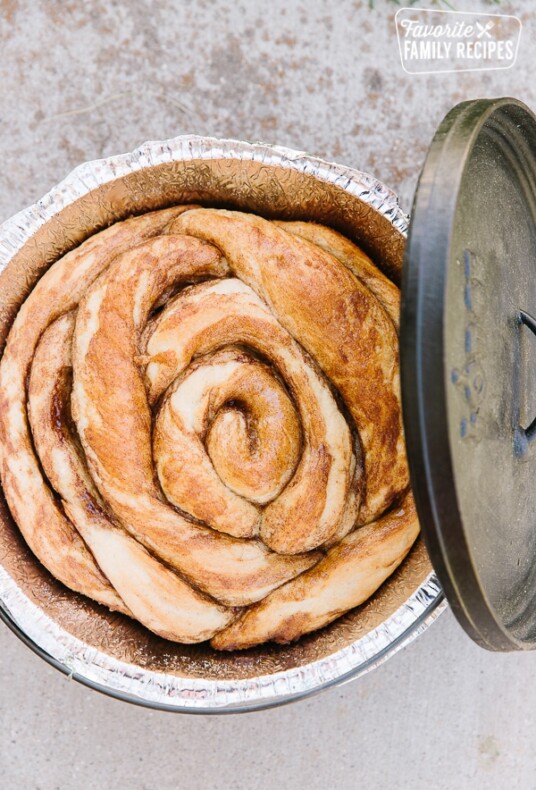
Credit: www.favfamilyrecipes.com
Serving And Presentation
Decorating a cake can be fun and creative. Use colorful sprinkles for a bright look. Try fruit slices like strawberries or kiwis for a fresh touch. Chocolate shavings make it rich and tasty. Whipped cream adds a fluffy finish. You can also use edible flowers for a fancy style. Mix and match for unique designs.
Cakes taste best with drinks. Milk is a classic choice. Tea offers warmth and comfort. Coffee pairs well with chocolate cakes. Fruit juices add a sweet flavor. Hot chocolate is nice with vanilla cakes. Sparkling water refreshes your palate. Pick a drink that suits your cake’s flavor.

Credit: www.reddit.com
Frequently Asked Questions
Can You Use A Dutch Oven As A Pan?
Yes, a Dutch oven can be used as a pan. It is versatile, allowing for frying, sautéing, and baking. Its heavy material distributes heat evenly, making it ideal for various cooking methods. Ensure proper handling due to its weight and heat retention capabilities.
What Should Not Be Cooked In A Cast Iron Dutch Oven?
Avoid cooking acidic foods in a cast iron Dutch oven. Acidic ingredients can strip seasoning and cause a metallic taste. Also, avoid long-term storage of food in it to prevent rust.
Are Dutch Ovens Good For Baking?
Yes, Dutch ovens are excellent for baking. They provide even heat distribution and retain moisture well. Ideal for bread, casseroles, and desserts, they enhance flavors. Their versatility makes them a favorite for bakers. With a tight-fitting lid, they create a perfect environment for baking.
What Can I Use If I Don’t Have A Cake Pan?
Use a muffin tin, or oven-safe bowl, or cast-iron skillet instead of a cake pan. Line with parchment paper for easy removal. Adjust baking time and keep an eye on the cake. These alternatives can help you achieve great results without a cake pan.
Conclusion
Baking a cake in a Dutch oven is entirely possible. It’s a fun way to make delicious desserts outdoors. The Dutch oven provides even heat distribution, ensuring a moist cake. You can experiment with different cake flavors. This method is perfect for camping trips.
Just remember to control the temperature carefully. With practice, you’ll get the hang of it. Try this baking adventure and enjoy your tasty cake. It’s an enjoyable skill to learn. Your friends will be impressed. Happy baking!