
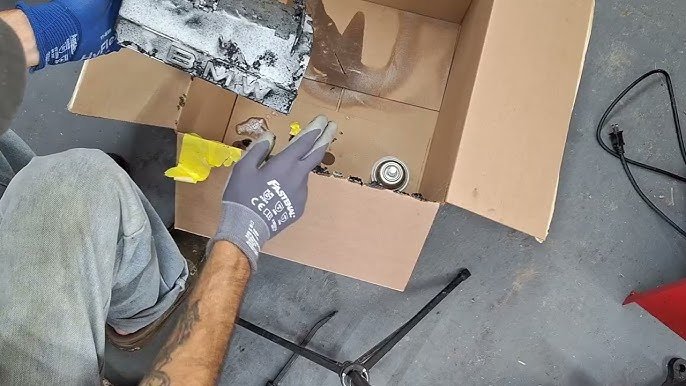
Have you ever found yourself staring at a stubborn paint stain, wondering if there’s a simple solution hiding in your kitchen cabinet? You’re not alone.
Many people are curious about whether their trusty oven cleaner can double as a paint remover. The idea might seem convenient, but is it effective? As you explore this possibility, you may find yourself intrigued by the unexpected uses of household items.
Imagine saving time, effort, and money by using a product you already own. But before you dive in, it’s essential to understand the ins and outs of using oven cleaner on paint. Are you ready to discover if this common cleaner holds the key to your paint removal woes? Keep reading to find out!
Oven Cleaner Composition
Oven cleaners have strong chemicals. They often contain alkaline substances. These help dissolve grease and grime. Sodium hydroxide is common in these products. It can break down tough stains and residues. Some cleaners also include surfactants. Surfactants help the cleaner spread evenly. They make cleaning easier.
Many oven cleaners have a foamformula. Foam sticks to surfaces and works on dirt. The foam can cover large areas. This makes cleaning faster. Always use oven cleaners carefully. They can be harmful if used wrongly.

Credit: www.youtube.com
Chemical Reactions With Paint
Oven cleaners have strong chemicalsthat can affect paint. These chemicals can break down the paint. This makes the paint lose its color and strength. Paint is made of different layers. Each layer can react differently to the cleaner.
Some paints may peel off easily. Others might not react at all. It depends on the type of paint. Glossy and shiny paints are more affected. Matte paints might be less affected. Always test a small area first. This helps avoid big mistakes.
Be careful with protective gear. Oven cleaners can irritate skin and eyes. Use gloves and goggles. This keeps you safe while working. Always follow safety guidelines.
Types Of Paint Affected
Oven cleaner can remove some types of paint. It is effective on water-basedpaints. These paints are also called latexpaints. The cleaner breaks down the paint easily. Oil-basedpaints are tougher. Oven cleaner may not work well on them. These paints are more resistant to chemicals. The cleaner may need more time on acrylicpaints. But it can still work. Always test a small area first. This helps you see how the paint reacts. Different brands might act differently. Safety is important too. Wear gloves to protect your skin.

Credit: m.facebook.com
Application Methods
Apply oven cleaner to the painted surface. Let it sit for a while. Use a scrub brush to gently rub the area. The paint may start to peel off. Be careful not to scrub too hard. This can damage the surface beneath.
Spray oven cleaner on the paint. Wait for a few minutes. Use a damp cloth to wipe the cleaner away. The paint might come off with the cleaner. Repeat if necessary. Ensure the area is well-ventilated.
Cover the painted area with oven cleaner. Allow it to soak overnight. The next day, scrape off the softened paint. Use a plastic scraper for safety. This method requires patience. Make sure to wear gloves to protect your hands.
Safety Precautions
Using oven cleaner can be risky. It contains strong chemicals. Protect your skin from burns and irritation. Wear gloves and goggles for safety. Ensure good ventilation in the area. The cleaner releases fumes. These can be harmful if inhaled. Keep children and pets away from the area.
Check for allergies first. Apply a small amount on skin. Wait and watch for reactions. If there is redness or itching, stop using the cleaner. Read the label before use. Follow instructions carefully to avoid accidents.
Dispose of leftover cleaner properly. Do not pour it down the drain. It can harm the environment. Use a proper waste disposal method. This keeps everyone safe.
Alternative Paint Removal Methods
Oven cleaner can be an effective method to remove paint. It breaks down paint layers, making removal easier. Always test on a small area first to avoid damage.
- Sandpaper can scrape off paint. It works well on small areas.
- A heat gun softens paint. This makes it easy to peel away.
- Vinegar is a natural option. It loosens paint without harsh chemicals.
- Paint stripper is strong. It can remove many layers at once.
- Baking soda mixed with hot water is gentle. It’s safe for kids to use.
| Method | Effectiveness |
|---|---|
| Sandpaper | Good for small areas |
| Heat Gun | Peels paint easily |
| Vinegar | Eco-friendly choice |
| Paint Stripper | Removes many layers |
| Baking Soda | Safe for kids |
Common Misconceptions
Many believe oven cleaner can remove painteasily. This is not always true. Oven cleaners are made for grease and grime. They are not made for paint. Using them on paint can be risky. The chemicals are very strong. They might damage surfaces. This can happen if the paint is on wood or metal. They can also harm your skin. It’s important to wear protective gloves.
Some people think all paints are the same. But paints have different formulas. Not all will react the same. Some paints might peel, while others stay firm. It’s best to test on a small area first. This way, you see what happens. Always read labels carefully. This helps avoid mistakes.

Credit: www.tiktok.com
Expert Opinions
Some experts say oven cleaner can remove paint. They advise caution, though. Oven cleaners are strong and can damage surfaces. It’s best to test a small area first. Use gloves and goggles for safety. Spray cleaner on the paint stain. Wait for a few minutes. Scrub gently with a brush or sponge. Rinse the area with water. Check if the paint is gone. Repeat if needed but avoid over-scrubbing. Not all paints will react the same way. Some might not come off easily.
Frequently Asked Questions
How Long Does It Take For Oven Cleaner To Strip Paint?
Oven cleaner can strip paint in approximately 20-30 minutes. The exact time depends on paint type and thickness. Always test on a small area first. Use in a well-ventilated space and follow safety instructions.
What Cleaner Will Remove Paint?
Use a solvent-based paint remover or a citrus-based cleaner for effective paint removal. For latex paint, try rubbing alcohol or vinegar. Always test on a small area first. Wear protective gloves and ensure proper ventilation during use. Follow manufacturer instructions for best results.
What Can You Not Use Oven Cleaner On?
Avoid using oven cleaner on aluminum surfaces. It can cause discoloration and damage. Do not use on self-cleaning ovens, painted surfaces, or countertops. Oven cleaner is not suitable for wood, glass, or non-stick coatings. Always read labels for specific exclusions and safety precautions.
Can Oven Cleaner Be Used On Painted Surfaces?
Oven cleaner is not safe for painted surfaces. It can strip paint and cause damage. Always use appropriate cleaners for painted areas to maintain their appearance and integrity.
Conclusion
Oven cleaner can remove paint, but caution is needed. It’s powerful. Test a small area first. Paint types react differently. Some might not budge. Others could dissolve quickly. Remember to wear gloves. Protect your skin. Ventilate the room well. Strong fumes can cause discomfort.
Always follow the instructions. Safety matters most. Consider alternatives if unsure. Professional removers might be safer. They can offer controlled results. Keep in mind your surface type. Oven cleaner can damage sensitive materials. Experiment cautiously. It’s not always the best choice.
Your project’s success depends on careful steps. Choose wisely.