
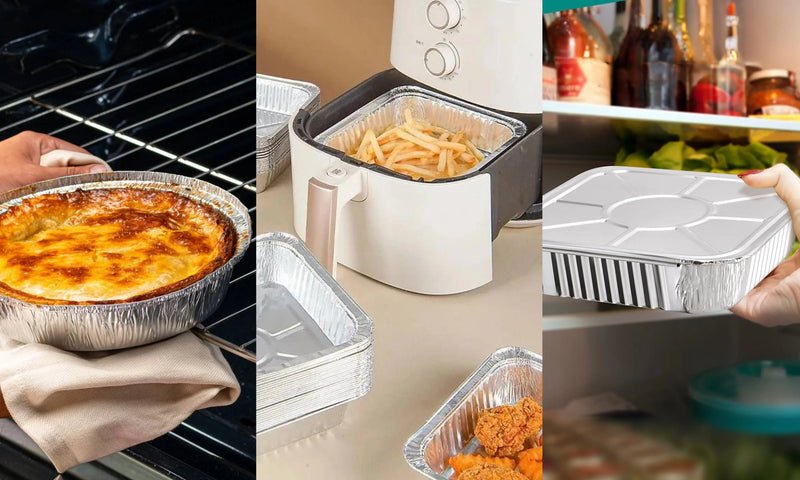
Have you ever found yourself standing in your kitchen, foil pan in hand, wondering if it’s safe to pop it into your oven? You’re not alone.
Many people love the convenience of foil pans for cooking, but there’s always a lingering question about their oven-friendliness. This article is here to put your worries at ease and ensure you’re not left guessing next time you’re preparing a meal.
Imagine the ease of using a foil pan that goes straight from the oven to the table without the hassle of extra dishes. It sounds too good to be true, right? But is it really? Let’s dive into the facts and debunk the myths surrounding foil pans in ovens. By the end of this read, you’ll have a clear answer and some handy tips that will make you a more confident cook. Stick around—you might just discover a kitchen hack that saves you time and effort!
Foil Pan Basics
Foil pans are light and easy to use. They are made from thin aluminum. The pans are great for baking and roasting. Aluminum helps food cook evenly. You can use foil pans in the oven. They are safe for high heat. Do not use them on the stove. They can warp and melt.
Foil pans come in many sizes. Some are small, some are big. Choose the right size for your recipe. They are perfect for cakes, pies, and casseroles. They are also disposable. This means less cleaning.
- Foil pans are oven-safe.
- They are good for baking.
- Aluminum heats food evenly.
- Choose the right size for your dish.

Credit: wholesalefoilpans.com
Oven Compatibility
Foil pans can be safely used in the oven if they are sturdy and not too shallow. Ensure even heat distribution by placing them on a baking sheet.
Types Of Ovens
Foil pans can go in most ovens. Electric ovens are safe for foil pans. Gas ovens work well with foil too. Convection ovens are also suitable. Microwave ovens are not ideal for foil pans. Foil can cause sparks in microwaves.
Suitable Temperatures
Foil pans can handle high heat. 350 degrees Fahrenheit is common. Avoid temperatures over 500 degrees. Foil may warp at very high heat. Always check for signs of wear. If it looks bent, use a new pan.
Safety Precautions
Ensure the oven is preheated before placing foil pans inside. Always check the pan’s label for heat resistance. Avoid direct contact with heating elements to prevent damage or fire hazards.
Avoiding Direct Contact
Foil pans can go in the oven, but stay careful. Keep foil pans off direct heat. Use a baking tray under them. Heat can make foil break or melt. Direct flames can be dangerous. Always use the middle shelf in the oven. This keeps pans safe from intense heat.
Preventing Spills
Spills in the oven can cause big messes. Foil pans can tip over easily. Place pans on a flat surface. This keeps food from spilling everywhere. Check the pan size before using. It should fit well in the oven. Avoid overfilling the pan. Too much food can spill over. Use oven gloves to safely handle hot pans.

Credit: chopchopusa.com
Heat Distribution
Foil pans can be safely used in the oven, ensuring even heat distribution for cooking. These pans reflect heat, helping food cook uniformly. Always check the oven’s maximum temperature to prevent damage to foil pans.
Ensuring Even Cooking
Foil pans help spread heat evenly in the oven. This means food cooks better without burning. Thicker pans do this job well. Thin pans might not work the same. They can cause uneven cooking. Try using two pans if needed. Place one inside the other. This adds thickness and helps with even cooking.
Managing Hot Spots
Hot spots make some parts of the pan hotter. These spots can burn food. Move the pan during cooking to avoid this. Turn it around every 10 minutes. This helps the food cook evenly. Keep watching the food inside. Adjust the position if needed. Remember, safety first. Use oven mitts to protect your hands.
Practical Tips
Foil pans can safely go in the oven. Ensure they are on a sturdy baking sheet to prevent spills. Always follow the manufacturer’s temperature guidelines.
Using Baking Sheets
Place the foil pan on a baking sheet. This helps in easy handling. Baking sheets support the foil pan. They prevent it from bending. A sturdy baking sheet catches any spills too. This ensures a clean oven. Make sure the baking sheet is heat-resistant. Not all are safe for high heat. Check the label before use.
Checking For Damage
Inspect the foil pan for any tears or holes. Even small damage can cause leaks. Leaks can make a mess in the oven. A damaged pan might not hold food well. Always use a pan in good condition. Avoid using if you see damage. Better safe than sorry!

Credit: kitchendance.com
Cleaning And Reusing
Foil pans can be safely placed in the oven for baking and reheating. They are designed to withstand heat and distribute it evenly. Proper cleaning allows for reuse, making them a practical choice for various cooking needs.
Proper Cleaning Techniques
Foil pans need gentle cleaning. Use warm water and mild soap. Avoid harsh scrubbing. It can damage the pan. Rinse thoroughly after washing. Dry the pan with a soft cloth. Store in a dry place.
Assessing Reusability
Check the pan for bends or tears. If damaged, it’s unsafe to reuse. Foil pans are thin. They bend easily. Inspect before using again. A clean pan can be reused. But not if it’s too worn out.
Environmental Considerations
Foil pans are oven-safe but consider recycling options to reduce waste. Choose reusable alternatives for eco-friendly cooking.
Recycling Options
Foil pans can be recycled in many places. Check your local recycling rules. Some places accept aluminum pans with regular recycling. Rinse the pans before putting them in the bin. This helps with the recycling process. Remove food scraps to keep the recycling clean. Not all areas accept foil pans, though. Contact your local waste service to confirm. They will give the best advice.
Sustainable Alternatives
Consider reusable pans for baking and cooking. Glass or metal pans are good choices. They last a long time. Use them many times to save resources. Silicone baking mats can also help. They are flexible and easy to clean. Avoid single-use foil pans when possible. This helps reduce waste. It’s better for our planet. Choose sustainable options for a greener future.
Frequently Asked Questions
Are Foil Pans Oven Safe?
Yes, foil pans are oven safe. They can withstand high temperatures and are suitable for baking. Ensure they are placed on a sturdy baking sheet for support. Avoid direct contact with oven heating elements to prevent potential damage. Use them for roasting, baking, and reheating food efficiently.
Can Aluminum Foil Go In The Oven At 400 Degrees?
Yes, aluminum foil can go in the oven at 400 degrees. It helps with even cooking and prevents spills. Use it to cover dishes or line baking sheets. Ensure it’s not in direct contact with heating elements to avoid any hazards.
Always use it safely in the oven.
How To Adjust Baking Time For Aluminum Pans?
Reduce baking time by 5-10 minutes when using aluminum pans. Aluminum conducts heat efficiently, cooking food faster. Check for doneness early. Adjust temperature if necessary to avoid over-browning. Always monitor closely to ensure even baking.
Can An Aluminum Pan Go In The Oven At 500 Degrees?
Aluminum pans can safely go in the oven at 500 degrees. Ensure the pan is thick enough to withstand high heat. Always check the manufacturer’s instructions for specific temperature limits to avoid damage. Use caution when handling hot aluminum pans to prevent burns.
Conclusion
Foil pans offer convenient cooking options. They are oven-safe for most recipes. Check your foil pan for any specific instructions. Always use oven mitts for safety. Foil pans heat quickly, so watch cooking times closely. They work well for baking, roasting, and more.
Ensure your oven is at the right temperature. Avoid direct contact with oven heating elements. Foil pans can be recycled after use. Easy cleanup is a bonus. Remember, foil pans are versatile kitchen tools. Perfect for busy cooks and simple meals.
Enjoy your cooking with foil pans!