

Your food processor is one of the most useful tools in your kitchen, making meal prep faster and easier. But when the blades get dull, chopping and slicing become frustrating and less effective.
You might think you need to buy new blades or even a new processor, but what if you could bring your blades back to life yourself? You’ll discover simple, step-by-step ways to sharpen your food processor blades safely and quickly.
Keep reading to save time, money, and get the best performance from your favorite kitchen helper.
Signs Blades Need Sharpening
Dull cutshappen when blades lose their sharp edge. Food pieces may tear instead of slicing cleanly. This can lead to uneven texture and longer chopping times.
Visible nicksor damage on blades show wear and tear. Small chips or bends reduce cutting power and can affect food quality. Inspect blades closely for these signs.
Using the processor requires more effortif blades are dull. You may need to press harder or run the machine longer. This can strain the motor and reduce its lifespan.
Credit: www.kitchenaid.com
Tools For Sharpening Blades
Sharpening food processor blades requires tools like whetstones, diamond sharpeners, or honing rods. Using these helps restore the blade’s edge for better cutting performance. Proper sharpening keeps blades safe and efficient during food preparation.
Preparing Blades For Sharpening
Carefully remove the blades from the food processor base. Use a cloth or gloves to avoid cuts. Handle blades by the plastic or metal center, not the sharp edges. Keep blades on a flat surface once removed.
Clean the blades with warm, soapy water. Remove all food particles and grease. Rinse well to avoid soap residue. Dry the blades completely using a soft cloth. Wet blades can rust or damage sharpening tools.
Secure the blades before sharpening. Use a clamp or hold them with a thick cloth. Keep the blade steady to sharpen evenly. Avoid applying too much pressure to prevent damage. A firm hold ensures safety and accuracy.
Step-by-step Sharpening Process
Hold the sharpening stoneat a 20-degree angle to the blade edge. Move the blade gently across the stone in one direction. Repeat this motion several timeson each side. Use light pressureto avoid damaging the blade.
Clean the blade with a cloth after sharpening. Check for any rough spotsor dull areas. Sharpen again if needed until the blade feels sharp.
- Manual sharpenersare easy to use and affordable.
- Hold the blade steady while pulling it through the sharpener slot.
- Use slow, steady strokesfor best results.
- Clean the blade after sharpening to remove metal filings.
- Electric sharpeners are fasterand require less effort.
- Follow the manufacturer’s instructions carefully.
- Do not press too hard to avoid blade damage.
- Use the correct setting for food processor blades.
Safety Tips During Sharpening
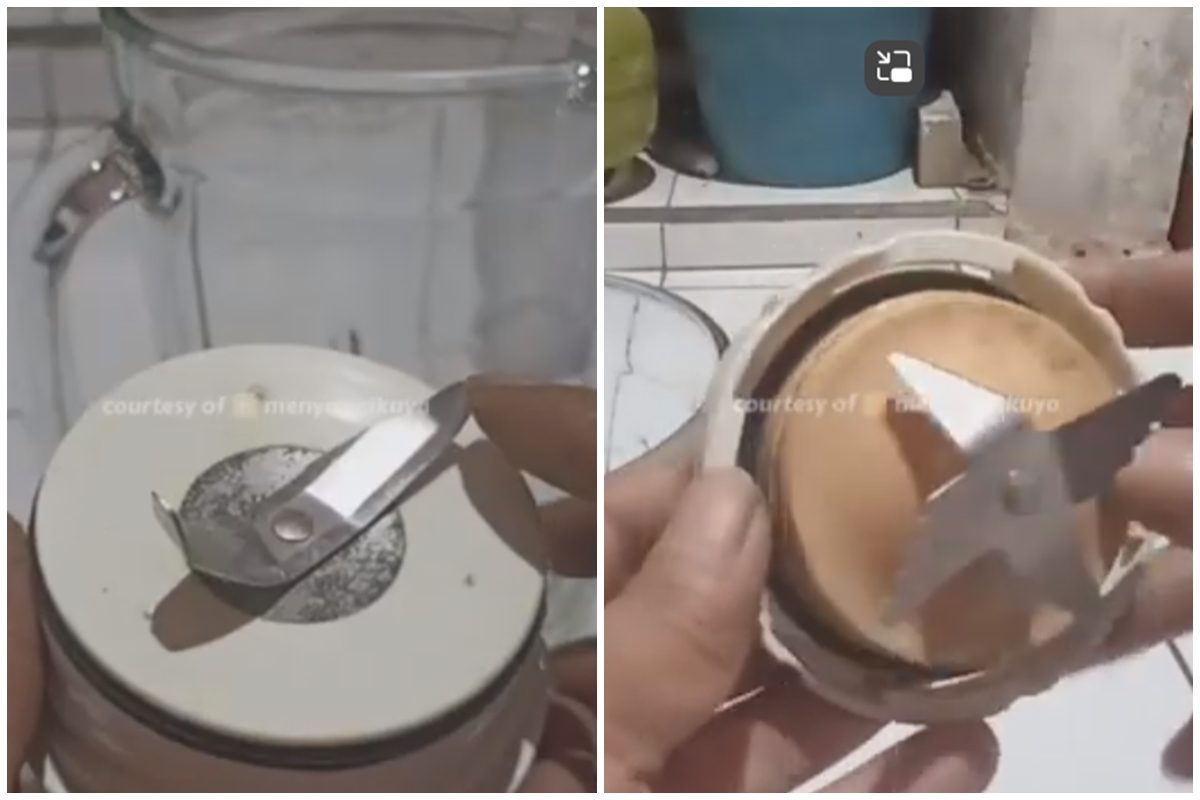
Sharp edges can cause serious cuts. Always hold blades by the dull side or the plastic base. Avoid touching the sharp parts directly.
Wear thick gloves to protect your hands. Safety glasses can protect your eyes from metal shards or dust. Use a stable surface to keep blades steady while sharpening.
Store blades in a dry place to prevent rust. Use blade covers or wrap them in cloth to avoid accidents. Keep blades out of reach of children.
Credit: en.brilio.net
Maintaining Blade Sharpness
Cleaning bladesafter every use stops food bits from sticking. Use warm water and mild soap to wash them carefully. Dry blades well to stop rust.
Avoid cuttinghard items like bones or frozen fruits. These can damage blade edgesquickly. Use the food processor only for soft or chopped foods.
Check blades often for dullness or chips. Keep an eye on any cracks or bends. Replace blades if they look worn out. This keeps food processor safe and working well.
When To Replace Blades
Blades are beyond repairif they are cracked, bent, or chipped. Dull blades that do not cut well after sharpening also need replacement. Rust or corrosion on blades can make food unsafe and means replacement is necessary. If the blade no longer fits tightly on the processor, it should be changed.
| Cost | Benefit |
|---|---|
| New blades cost $20 to $50 | Sharper cuts, safer food prep |
| Sharpening tools cost around $10 to $30 | Extends blade life, saves money |
| Old blades may damage food processor | Replacement avoids repair costs |
- Buy blades from the food processor’s official website
- Check online stores like Amazon or eBay
- Local kitchen supply shops often have replacements
- Compare prices and shipping before buying

Credit: www.youtube.com
Frequently Asked Questions
How Often Should I Sharpen Food Processor Blades?
Sharpen food processor blades every 6 to 12 months. Regular sharpening ensures optimal cutting performance. If you notice dullness or uneven cuts, sharpen blades sooner to maintain efficiency and safety.
What Tools Do I Need To Sharpen Blades?
You need a sharpening stone, honing rod, or a blade sharpener. Some use a diamond file or sandpaper. Always handle blades carefully to avoid injury during sharpening.
Can I Sharpen Food Processor Blades At Home?
Yes, you can sharpen blades at home using simple tools. Follow safety guidelines and use appropriate sharpening techniques. If unsure, consider professional sharpening services for best results.
Is It Safe To Sharpen Blades Without Removing Them?
No, always remove blades before sharpening. Removing blades prevents damage to the processor and ensures safe, thorough sharpening. Handle blades carefully to avoid cuts.
Conclusion
Sharpening food processor blades keeps them working well and safe. Dull blades slow down your prep and can cause accidents. Regular sharpening saves money by avoiding blade replacements. Use simple tools and follow steps carefully for best results. Take your time and check blades often to keep them sharp.
A sharp blade makes cooking faster and more enjoyable. Keep your kitchen tools ready for any recipe. Try sharpening blades yourself and see the difference today.