
Are you tired of buying store-bought bread crumbs that never taste quite right or cost too much? What if you could make fresh, crunchy bread crumbs at home in just minutes?
Using your food processor, you can turn leftover bread into the perfect ingredient for your favorite recipes. Not only will you save money, but you’ll also have full control over the texture and flavor. Keep reading, and you’ll discover simple steps to create homemade bread crumbs that will take your cooking to the next level.
Credit: www.spendwithpennies.com
Choosing The Right Bread
Choosing the right breadis key to making great bread crumbs. Different bread types give different textures and flavors.
- White bread:Soft and mild taste, easy to process.
- Whole wheat bread:Adds a nutty flavor and more fiber.
- Sourdough bread:Gives a tangy taste and crunchy crumbs.
- Baguette or crusty bread:Makes coarser crumbs, good for crunchy coatings.
Fresh breadis soft and moist, so it makes soft crumbs. It works well for recipes needing tender crumbs.
Stale breadis dry and hard. It creates crunchy and dry crumbs. Stale bread is easier to grind in a food processor.
For best results, let fresh bread dry for a few hours before processing. This helps crumbs stay dry and not clump.
Preparing Bread For Processing
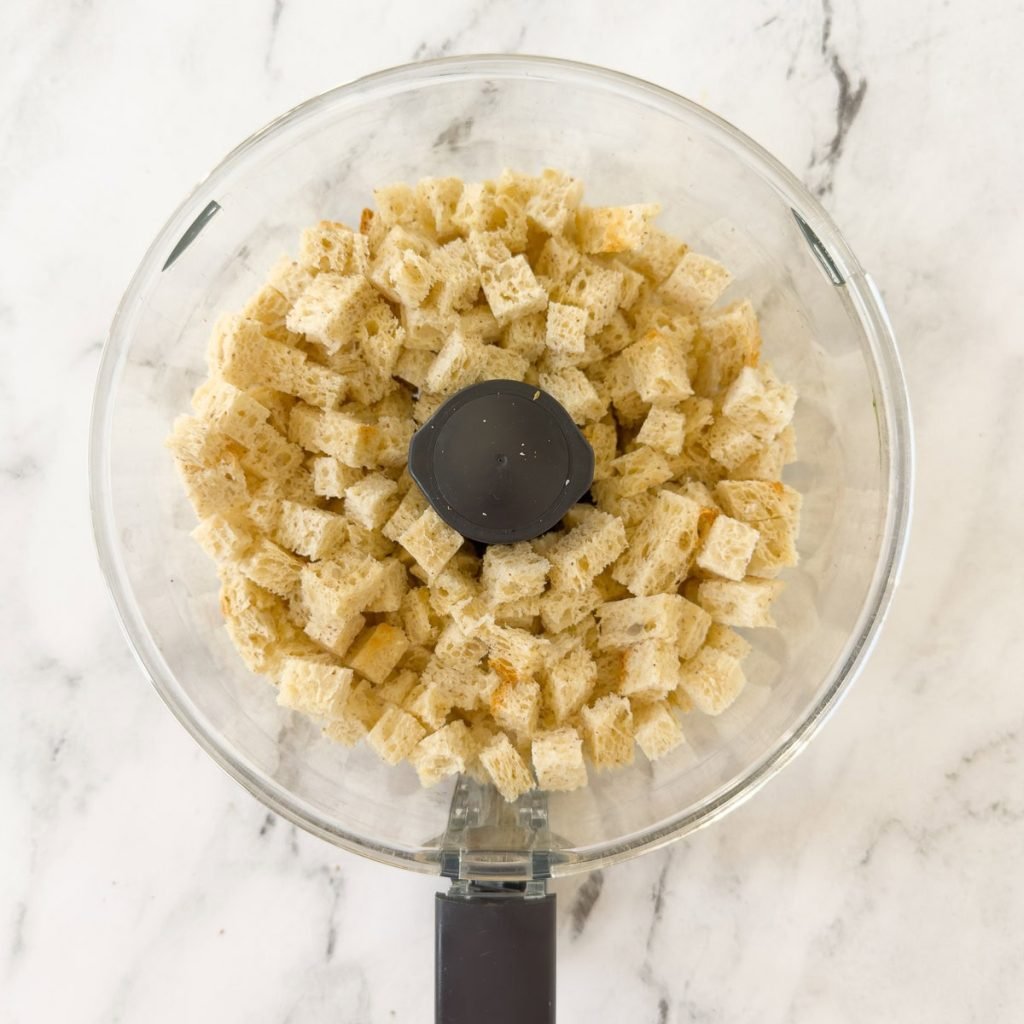
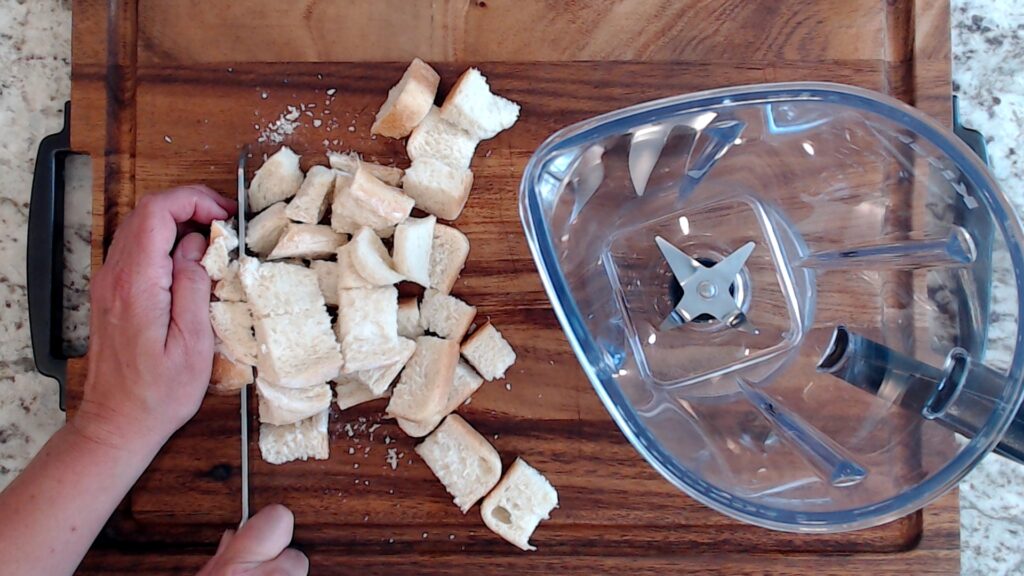
Cut bread into small pieces to make it easier for the food processor. Dry the bread slightly for better crumb texture. Pulse the pieces in the processor until fine crumbs form.
Using The Food Processor
Place dry bread pieces into the bowl of the food processor. Use bread that is slightly stale for best results. Make sure the processor is clean and dry before starting. Attach the lid securely to avoid crumbs flying out. Choose the pulse button instead of continuous blending. This gives more control over crumb size.
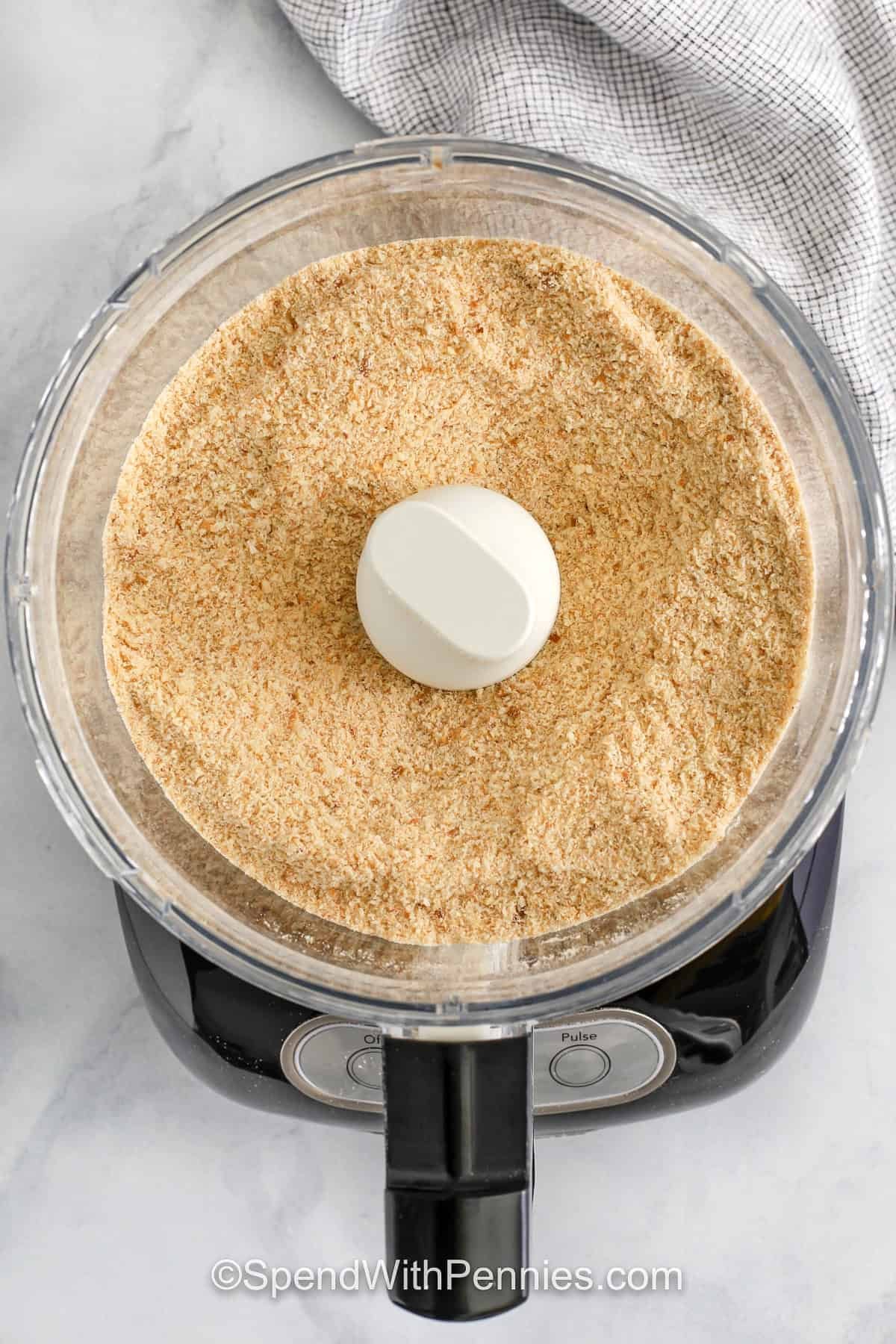
Press the pulse button in short bursts. This helps create even crumbsinstead of large chunks or powder. Check the crumbs after a few pulses to see the size. Stop pulsing once the crumbs look uniform and fine.
Customizing Your Bread Crumbs
Choose the texture of bread crumbs based on your recipe. Fine crumbs work well for coating chicken or fish. Coarse crumbs add crunch to toppings or stuffing. Use the pulse button on the food processor for a coarse texture. Process longer for finer crumbs. Avoid over-processing to prevent turning crumbs into powder.
Seasonings can make bread crumbs tastier. Mix in:
- Salt and pepper for basic flavor
- Garlic powder for a hint of spice
- Dried herbs like oregano, basil, or thyme
- Grated Parmesan cheese for a cheesy touch
Seasoned crumbs add more depth to your dishes. Store unused crumbs in an airtight container for freshness.
Storing Bread Crumbs
Use airtight containersto keep bread crumbs fresh. Plastic or glass jars work well. Make sure containers have tight lids to stop moisture and air.
Store bread crumbs in a cool, dry place away from sunlight. Moisture causes bread crumbs to spoil fast.
| Container Type | Benefits |
|---|---|
| Glass Jars | Non-porous, easy to clean, airtight seal |
| Plastic Containers | Lightweight, airtight, easy to store |
| Resealable Bags | Space-saving, good for small amounts |
Fresh bread crumbs last about 1-2 weeks at room temperature. For longer storage, freeze them for up to 3 months.
Label containers with the date made. Use the oldest bread crumbs first to avoid waste.
Credit: greenthumbfoodie.com
Creative Uses For Bread Crumbs
Bread crumbsadd a crispy texture to many dishes. They work well as a coating for fried foods like chicken, fish, and vegetables. Sprinkling bread crumbs on top of casseroles or macaroni and cheese adds a tasty crunch. They also help thicken soups and meatballs, binding ingredients together.
Besides cooking, bread crumbs have non-culinary uses. They can absorb spills or grease on surfaces. Gardeners use bread crumbs to help compost break down faster. Craft lovers use them in art projects, adding texture to paintings or decorations. Small pieces can even help clean delicate items without scratching.

Credit: nutritiontofit.com
Frequently Asked Questions
How Do I Make Bread Crumbs Using A Food Processor?
To make bread crumbs, pulse dry bread pieces in a food processor. Process until crumbs reach desired size. Avoid over-processing to keep texture.
What Type Of Bread Is Best For Bread Crumbs?
Use stale or day-old bread for best results. White, whole wheat, or sourdough all work well. Avoid fresh bread to prevent sogginess.
Can I Freeze Homemade Bread Crumbs?
Yes, store homemade bread crumbs in an airtight container. Freeze for up to 3 months. Thaw before use to maintain texture.
How Fine Should Bread Crumbs Be For Cooking?
Pulse bread crumbs to a medium or fine consistency. Coarse crumbs are good for crunchy coatings. Fine crumbs blend well in recipes like meatballs.
Conclusion
Making bread crumbs with a food processor saves time and effort. It gives you fresh, fine crumbs perfect for cooking and baking. You can control the texture by pulsing the machine carefully. Using leftover bread reduces waste and adds flavor to dishes.
Keep your food processor clean after use for best results. Try this easy method to enhance your meals at home. Simple, fast, and useful. A great kitchen trick anyone can do.