

Are you tired of spending hours chopping, slicing, and mixing in the kitchen? Your food processor can be the game-changer you’ve been looking for.
Imagine cutting your prep time in half while creating delicious meals with ease. You’ll discover simple ways to use your food processor for multiple cooking tasks. From chopping veggies to kneading dough, you’ll learn how to make your cooking faster, easier, and more fun.
Keep reading, and unlock the full potential of your food processor today!
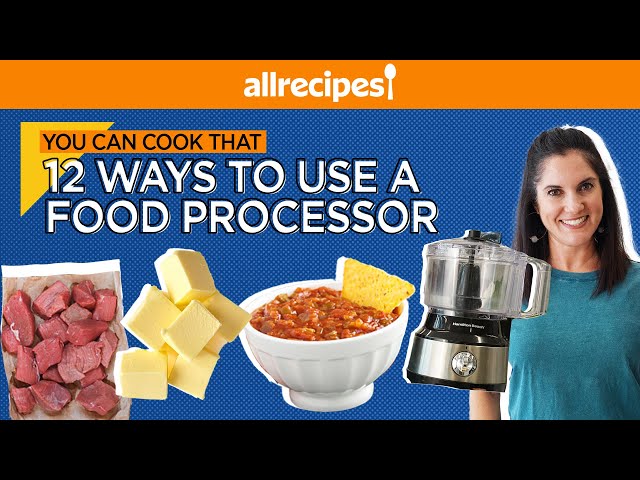
Credit: www.youtube.com
Choosing The Right Food Processor
Choosing the right food processor depends on your cooking needs. Size and capacity vary widely. Small processors work well for quick tasks like chopping herbs. Larger ones handle big batches like dough or vegetables for soup. It’s good to pick a size that fits your kitchen space and cooking style.
Essential features include multiple speed settings for different textures. A strong motor ensures smooth processing. Look for easy-to-clean parts and safety locks. Some models have extra blades or attachments for slicing, shredding, and kneading.
| Budget | What to Expect |
|---|---|
| Low | Basic models, fewer features, smaller capacity |
| Mid | More power, multiple attachments, better build |
| High | Strong motor, many functions, durable design |

Credit: www.cuisinart.com
Setting Up Your Food Processor
Place the food processor on a flat surface and secure the bowl. Attach the blade or disc, then lock the lid firmly before use. Ensure all parts fit correctly to avoid spills and ensure safety during multi-purpose cooking.
Basic Food Processing Techniques
Chopping and mincingare quick ways to cut vegetables and herbs into small pieces. Use the food processor’s blade to get even cuts. This saves time and effort compared to chopping by hand.
Slicing and shreddinghelp prepare ingredients for salads, sandwiches, or cooking. Attach the slicing or shredding disc to the food processor. It creates thin slices or fine shreds with ease and uniform size.
Pureeing and blendingturn cooked vegetables, fruits, or nuts into smooth textures. Use the food processor’s blade for purees, sauces, or dips. It mixes ingredients well and creates creamy results without lumps.

Credit: www.chicagotribune.com
Advanced Cooking Applications
Kneading doughwith a food processor saves time and effort. Use the dough blade attachment. Add flour, water, yeast, and salt. Pulse until the dough forms a ball. Avoid over-processing to keep dough soft. Let the dough rest before baking.
Grinding nuts and seedsis quick and easy. Use the standard blade for this task. Pulse nuts or seeds in short bursts. Stop when they reach the desired size. Be careful not to turn them into butter. Great for adding texture to recipes.
Making sauces and dressingsrequires the chopping blade. Combine ingredients like herbs, oil, vinegar, and spices. Blend until smooth or slightly chunky. Control the texture by pulsing or blending longer. Perfect for salad dressings, dips, and marinades.
Time-saving Tips And Tricks
Batch processingsaves time by preparing large amounts at once. Chop vegetables, nuts, or herbs in one go. Store in containers for later use. This reduces repeated work and speeds up cooking.
Using multiple attachmentslets you do many tasks with one machine. Switch between blades for chopping, slicing, and shredding. Use dough hooks for kneading bread or pastry dough. Attachments make the food processor more useful.
Keep blades sharp for best performance. Dull blades slow down work and give uneven cuts. Clean blades after each use to avoid rust and buildup. Regular sharpening keeps the food processor working well and safe.
Cleaning And Maintenance
Disassemble the food processor carefully before cleaning. Remove the blade, bowl, and lid. Use warm, soapy water to wash each part. Dry them well to stop rust and mold. Avoid putting the motor base in water. Wipe it with a damp cloth only.
Prevent common damage by handling blades gently. Avoid cutting hard items that can break the blade. Do not overfill the bowl to avoid motor strain. Always unplug the processor before cleaning or fixing.
Store your food processor in a dry place. Keep all parts together to avoid losing pieces. Cover the blades safely to prevent accidents. Store the processor away from heat and moisture.
Frequently Asked Questions
What Are The Main Functions Of A Food Processor?
A food processor chops, slices, shreds, grinds, and purees ingredients quickly. It saves time and effort in cooking prep. It can knead dough and mix batters, making it a versatile kitchen tool.
How To Safely Use A Food Processor?
Always lock the lid securely before starting. Use the pulse button for better control. Avoid overfilling to prevent spills. Unplug before cleaning or changing blades to ensure safety.
Can A Food Processor Replace Other Kitchen Appliances?
Yes, it can replace blenders, choppers, and slicers in many tasks. It handles multiple functions like chopping, mixing, and kneading. This reduces the need for several gadgets and saves kitchen space.
What Ingredients Are Best For Food Processor Use?
Vegetables, nuts, cheese, dough, and herbs work well. It excels at chopping, pureeing, and mixing these ingredients. Avoid processing hot liquids or very hard items to protect the machine.
Conclusion
A food processor helps you save time and effort in cooking. It chops, slices, grates, and mixes with ease. Using it often makes meal prep faster and more fun. You can try many recipes with just one tool. Keep it clean and use the right attachments.
This small kitchen helper fits many cooking needs well. Enjoy cooking with your food processor every day.