

Are you tired of spending endless time kneading dough by hand? What if you could cut that effort in half and get perfect dough every time?
Using a full-size food processor to knead your dough might just be the game-changer you need. In this guide, you’ll discover simple steps to make your dough soft, elastic, and ready for baking—without the mess and muscle. Keep reading, and you’ll soon be baking like a pro with less hassle and more confidence.
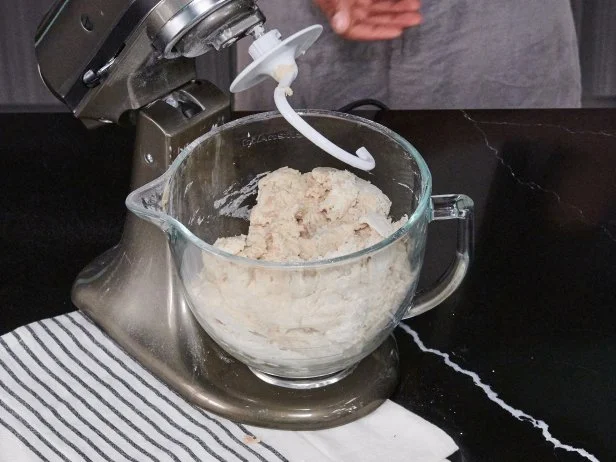
Credit: www.foodnetwork.com
Choosing The Right Food Processor
Capacityof the food processor is key. Choose one that can hold at least 7 cups of dough. This size helps mix and knead without overflowing or straining the motor. Too small a bowl will cause dough to stick and not mix well.
Power and motor strengthmatter a lot. A motor with at least 600 watts works best for kneading. Strong motors handle thick dough without stopping or overheating. This ensures smooth and even kneading.
- Essential attachmentsinclude a dough blade or hook. These parts are designed to mix and knead dough gently.
- Regular chopping blades may tear or overwork the dough.
- Check if the processor comes with a dough blade or if you need to buy it separately.
Selecting Ingredients For Dough
Choosing fresh flour, water, salt, and yeast ensures the best dough texture. Using quality ingredients helps the food processor mix dough evenly and smoothly.
Flour Types
Flouris the main ingredient in dough. Choose all-purpose flour for most recipes. It works well for bread and pizza. For softer dough, use cake flour. Bread flour is best for chewy textures. Experiment to find your favorite.Proper Liquid Ratios
Liquidsare vital for dough. Water is most common. Milk can add richness. Use the right amount for your recipe. Too much liquid makes sticky dough. Too little makes it dry. Measure carefully for best results.Additional Ingredients
Additional ingredientsenhance flavor and texture. Add sugar for sweetness. Salt for taste. Some use butter or oil for softness. Yeast helps dough rise. Each ingredient changes the dough. Try different combinations. `Preparing The Food Processor
Start by placing the bowlon the food processor base. Make sure it locks firmlyin place to avoid movement during kneading. Insert the dough bladecarefully into the bowl. It should fit snugly and not wobble.
Always check that the bowl and blade are clean and drybefore use. This helps keep the dough free from any dirt or old food bits. Clean parts also prevent the machine from clogging or breaking.
- Keep hands away from the blade while assembling.
- Unplug the machine before attaching parts.
- Do not force the bowl or blade if they don’t fit easily.
- Use the machine on a flat, stable surface only.
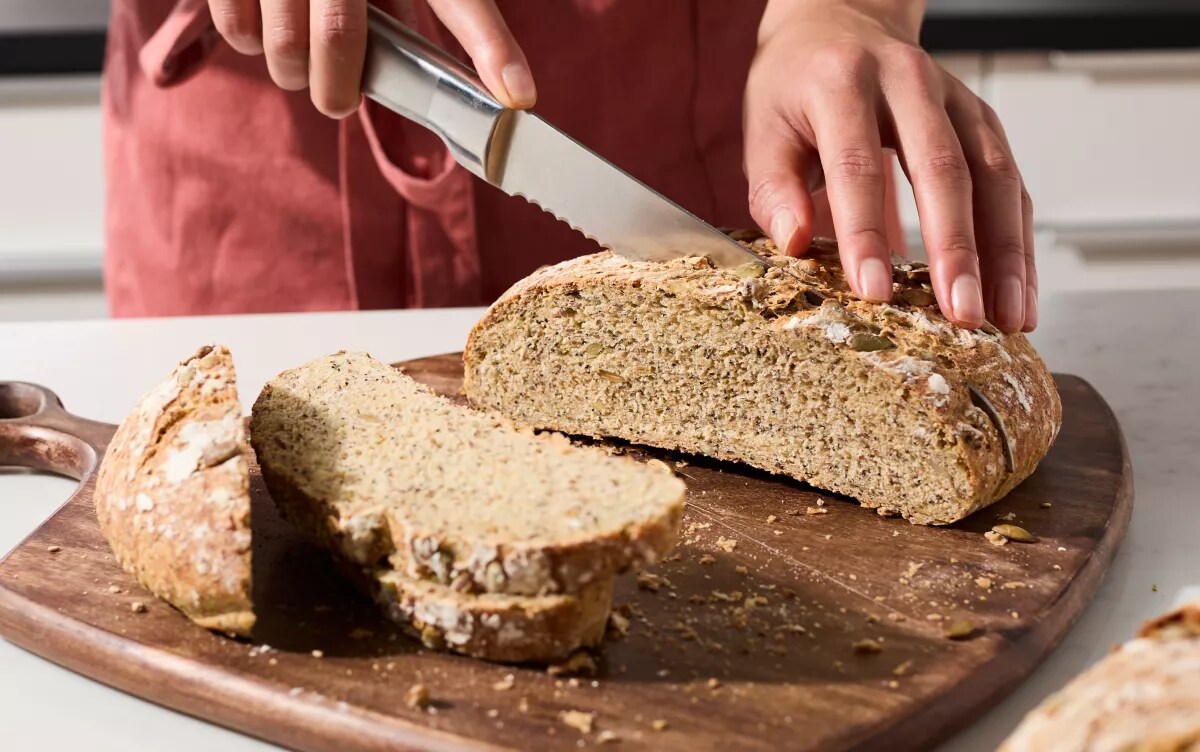
Credit: www.kitchenaid.ca
Step-by-step Dough Kneading Process
Dry ingredientslike flour, salt, and yeast go first into the food processor. Spread them evenly across the bowl for better mixing. This helps avoid clumps and ensures the dough rises well.
Liquidssuch as water, milk, or oil should be poured slowly through the feed tube. Pouring little by little lets the machine mix the dough smoothly. The dough should come together but not be too sticky.
- Use short pulses to mix ingredients initially.
- Switch to continuous processing for 30-60 seconds.
- Stop and check dough texture often.
- Avoid over-processing to keep dough soft.
Check dough by pressing it lightly. It should be soft and elastic but not sticky. If too dry, add a teaspoon of water. If too wet, add a bit of flour. The dough should pull away cleanly from the bowl sides.
Troubleshooting Common Issues
Dough too stickymeans there is too much water or flour is not absorbed well. Add a little flour, one tablespoon at a time, and mix again. Stop when dough feels soft but not wet. Avoid adding too much flour to keep dough tender.
Dough too dryhappens when there is not enough water. Add a small amount of water, about one teaspoon at a time. Mix well after each addition. Dough should feel smooth and elastic, not crumbly or hard.
| Over-Kneading Signs | Explanation |
|---|---|
| Dough becomes very tough | Gluten is overworked and tight |
| Dough tears easily | Too much kneading breaks gluten network |
| Dough feels dry and stiff | Texture loses softness and elasticity |
Tips For Best Results
Resting the doughhelps gluten relax. It makes dough easier to shape and less sticky. Let it rest at room temperature for 10 to 20 minutes. Cover the dough with a clean cloth to stop it from drying out.
Adjusting speed settingsis key. Use low speed first to mix ingredients well. Switch to medium speed to knead the dough. Avoid high speed; it can overwork the dough and heat the motor.
| Cleaning Step | Details |
|---|---|
| Unplug the processor | Always unplug before cleaning to stay safe. |
| Remove blades and bowl | Take out parts carefully to avoid cuts. |
| Wash with warm, soapy water | Clean all parts thoroughly to remove dough. |
| Dry parts completely | Dry to prevent rust and keep fresh. |
| Wipe base unit | Use a damp cloth, never soak the base. |
Recipes To Try With Processed Dough
Basic Bread Loafmade with processed dough rises well and has a soft texture. It bakes evenly and tastes fresh. This bread is perfect for sandwiches or toast.
Pizza Crustturns out crispy on the edges and chewy inside. Roll the dough thin or thick. Add your favorite toppings before baking for a delicious homemade pizza.
Pastry Doughfrom the food processor is easy to shape and bake. It creates flaky, buttery crusts for pies and tarts. Chill the dough before rolling for best results.
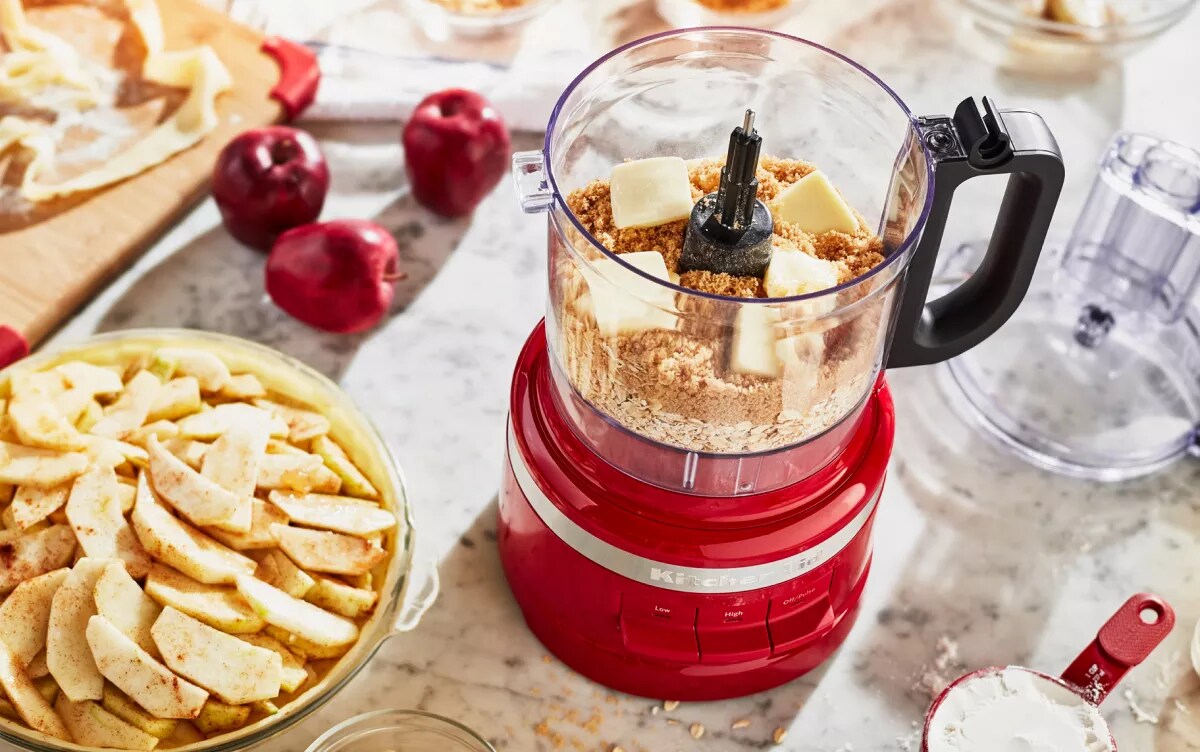
Credit: www.kitchenaid.com
Frequently Asked Questions
How Do I Knead Dough In A Full-size Food Processor?
To knead dough in a food processor, add flour and water first. Pulse until combined, then run continuously for 30-60 seconds. Avoid over-processing, and check dough texture. It should be smooth and elastic for best results.
Can A Food Processor Replace Hand Kneading?
Yes, a food processor can replace hand kneading. It saves time and effort while producing consistent dough texture. However, avoid over-kneading to prevent tough dough. It’s ideal for quick bread and pizza dough preparation.
What Type Of Dough Works Best In A Food Processor?
Bread, pizza, and pastry dough work best in a food processor. Avoid very wet doughs as they can stick to the blades. Adjust water quantity carefully for optimal texture and easier kneading.
How Long Should I Knead Dough In A Food Processor?
Knead dough for 30 to 60 seconds in the food processor. Check dough consistency midway to avoid over-processing. The dough should form a smooth, elastic ball when ready.
Conclusion
Kneading dough in a full-size food processor saves time and effort. It mixes ingredients evenly and quickly. You get a smooth dough ready for baking. This method works well for many bread recipes. Just follow the steps and watch the dough come together.
Enjoy baking fresh bread at home with less mess. Practice a few times to improve your technique. Baking can be easy and fun with the right tools. Give it a try and enjoy warm, homemade bread soon.