
Are you tired of unevenly chopped vegetables or over-processed ingredients ruining your recipes? Mastering the pulse function on your food processor can change the way you prepare meals forever.
With just a few simple steps, you’ll gain full control over the texture and size of your chopped ingredients. Keep reading, and you’ll discover how to use the pulse function to get perfect, precise chopping every time—making your cooking faster, easier, and more enjoyable.
Credit: www.cuisinart.co.uk
Benefits Of Pulse Function
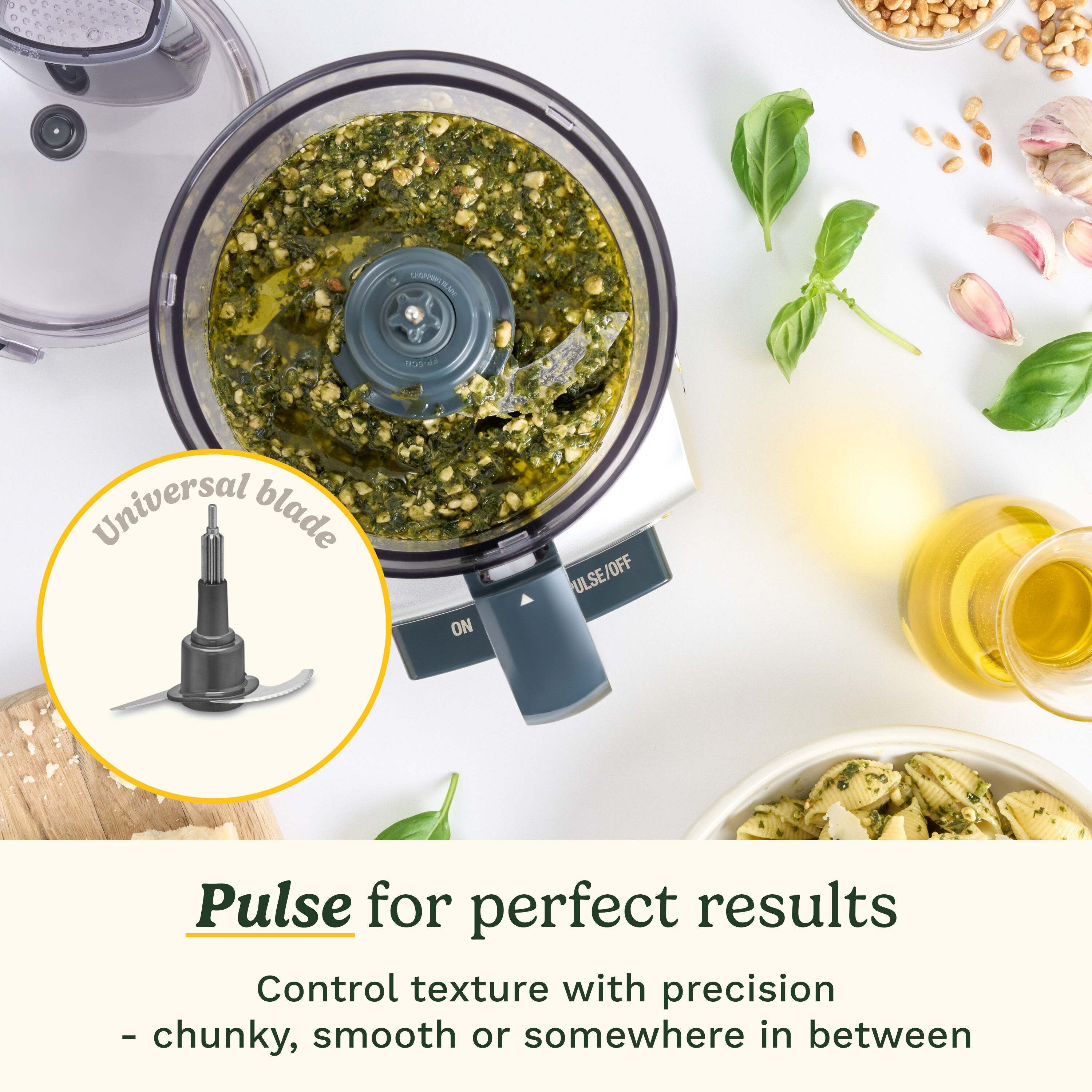
The pulse functionlets you chop food with great precision. It gives you control over texture, so you can make ingredients coarse or fine.
Using short bursts avoids overprocessing. This means food won’t turn into mush. You stop chopping at just the right time.
The pulse function helps in preserving ingredients’ freshness. It keeps food crisp and full of flavor by limiting heat build-up.
- Chop vegetables evenly without crushing
- Control chopping speed and duration easily
- Keep herbs bright and fresh
- Avoid food turning watery or pasty
Credit: www.vevor.com
Choosing The Right Equipment
Food processors come in many types. Some are small, others are large. Choose one that fits your kitchen space. Small ones are good for tiny kitchens. Large ones handle big jobs well. Look for one with a strong motor. This helps with tough tasks.
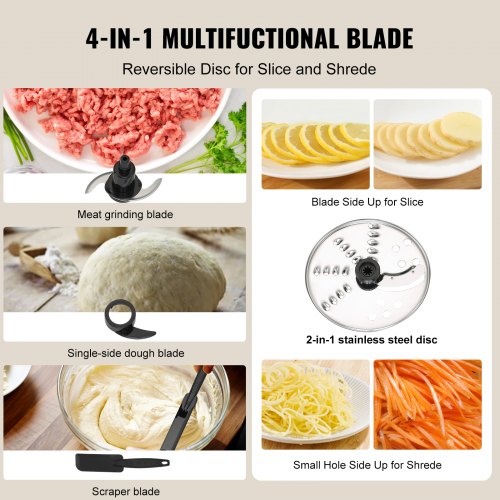
Blades are important for chopping. Sharp blades work best. They make cutting easy and fast. Some processors have many blade options. Choose the right blade for your task. Dull blades can be dangerous. Always check the blades before use.
More power means faster chopping. A strong motor is key. Check the capacity of the bowl. Bigger bowls hold more food. This is good for big meals. Smaller bowls are great for snacks. Choose based on your needs. Always follow the safety instructions.
Preparing Ingredients For Chopping
Washing and dryingingredients is key for clean food. Rinse vegetables and fruits under cold water to remove dirt and germs. Use a clean cloth or paper towel to dry them well. Dry ingredients chop better and don’t clump together.
Cutting into uniform pieceshelps the pulse function work evenly. Try to cut foods into similar sizes. This makes chopping faster and more precise. Small, even pieces prevent some parts from being over-chopped while others stay big.
Removing unwanted partslike stems, seeds, or skins can improve taste and texture. Take off any hard or bitter parts before chopping. This step ensures only good pieces go into the food processor or blender. Cleaner ingredients give better results.
Pulse Techniques For Different Foods
The pulse function helps chop food in short bursts. For vegetables and herbs, use quick pulses to keep them fresh and not mushy. This works well for onions, peppers, and leafy greens. Stop and check often to get the right size.
Nuts and seedsneed short, sharp pulses to break them into smaller pieces without turning into powder. Use fewer pulses for larger chunks and more for finer bits. Keep an eye to avoid overheating.
For cheese and meats, pulses control texture and prevent over-processing. Use gentle pulses for soft cheese or cooked meats to keep some texture. Hard cheeses may need longer pulses but watch carefully to avoid clumping.
Common Mistakes To Avoid
Overloading the bowlcauses uneven chopping and may strain the motor. Fill the bowl only halfway for best results.
Ignoring pulse intervalscan lead to over-processing. Use short pulses with pauses to check texture regularly.
Using dull bladesmakes chopping harder and less precise. Keep blades sharp to ensure clean cuts and save time.
Credit: www.vevor.ca
Cleaning And Maintenance Tips
Always unplug the appliance before disassembling. Handle blades with care to avoid cuts. Remove the bowl gently to prevent damage. Store small parts safely to avoid loss. Keep children away during cleaning.
Rinse blades immediately after use to prevent food drying. Use a soft brush to clean hard-to-reach areas. Avoid harsh chemicals; mild soap works best. Dry all parts thoroughly to stop rust. Clean the bowl with warm, soapy water and rinse well.
- Store the appliance in a cool, dry place.
- Keep blades covered or in a blade guard.
- Ensure all parts are dry before storing.
- Do not store assembled to avoid strain on parts.
- Regularly check for any wear or damage.
Frequently Asked Questions
What Is The Pulse Function In Food Processors?
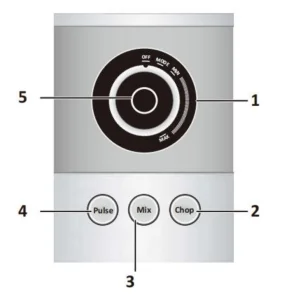
The pulse function delivers short bursts of power for controlled chopping. It prevents over-processing and allows precise texture control.
How Does Pulse Function Improve Chopping Precision?
Pulse lets you chop ingredients in small increments. This avoids turning chunks into puree and achieves uniform sizes.
When Should I Use Pulse Instead Of Continuous Chopping?
Use pulse for delicate chopping, coarse textures, or uneven ingredients. Continuous mode works best for smooth blends.
Can Pulse Function Handle Tough Ingredients Effectively?
Yes, pulse can manage tough items by applying short bursts. It prevents overheating and keeps the motor safe.
Conclusion
Using the pulse function helps you chop ingredients with great control. Short bursts let you avoid over-processing. You get the texture you want every time. It works well for nuts, herbs, and vegetables. Remember to pulse in small amounts for best results.
Practice a bit, and chopping becomes easier and faster. This method saves time and reduces mess. Try it in your next recipe to see the difference. Simple, quick, and effective. Give it a go!