
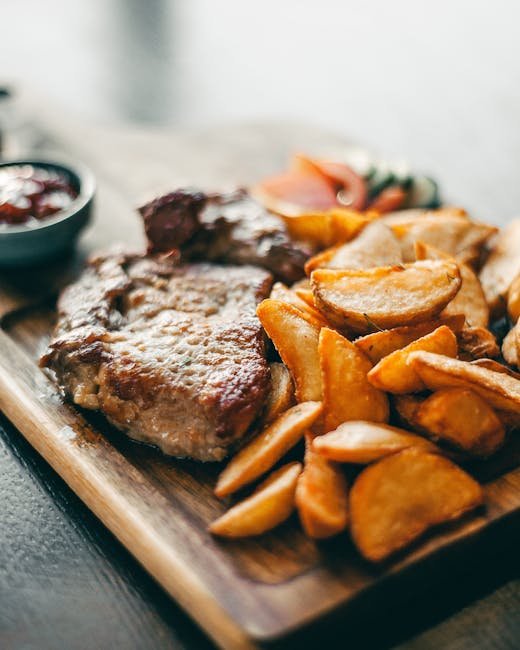
Slicing roast beef thinly can turn an ordinary meal into something truly special. But if your slices are too thick or uneven, the flavor and texture just won’t be the same.
You want every bite to be tender, juicy, and perfectly balanced. The good news? You don’t need fancy tools or expert skills to get it right. You’ll discover simple tips and easy techniques to slice your roast beef thinly and beautifully every time.
Keep reading, and soon you’ll impress yourself—and everyone at the table—with perfectly sliced roast beef.

Credit: craftandprocess.com
Choosing The Right Roast
Choosing a tender roast like sirloin or ribeye helps slice beef thinly and evenly. Chill the roast before slicing to make cutting easier and neater. Use a sharp knife to create clean, thin slices without tearing the meat.
Best Cuts For Slicing Thin
Top sirloin, ribeye,and eye of roundare great cuts for thin slicing. These cuts have a good balance of tenderness and flavor. Flank steakand strip loinalso work well. They hold their shape when sliced thin, making sandwiches tasty and easy to eat.
Quality Indicators To Look For
- Bright red colormeans fresh beef.
- Fine grain textureshows tenderness.
- Even fat marblingadds flavor and juiciness.
- Firm but not hardto touch is ideal.
Preparing The Roast
Let the roast rest for 20 minutes after cooking. This helps keep the juices inside. Meat stays juicy when you slice it. Resting makes slicing easier and tastier.
Place the roast in the fridge. Chill it for one to two hours. Cold meat is easier to slice thinly. Use a sharp knife for best results. Thin slices make sandwiches and meals better.
Essential Tools
Sharp knives are key for slicing roast beef thinly. A long, thin bladehelps make clean, even cuts. Slicing knivesor electric slicers work well. They reduce tearing and keep slices uniform.
Keeping knives sharp is very important. Use a honing steelto straighten the blade edge before slicing. For dull knives, a whetstoneor professional sharpener works best. Sharp blades make slicing easier and safer.
| Tool | Purpose | Maintenance |
|---|---|---|
| Slicing Knife | Thin, even slices | Sharpen regularly with whetstone |
| Electric Slicer | Consistent slice thickness | Clean blades after use |
| Honing Steel | Align blade edge | Use before each slicing session |

Credit: www.reddit.com
Slicing Techniques
To slice roast beef thinly, hold the knife at a slight angle. Cutting against the grainmakes the meat easier to chew. The grain shows the direction of muscle fibers. Slicing acrossthese fibers helps keep slices tender and soft.
Keep the slices even in thickness. This helps the beef cook or reheat evenly later. Use a sharp knife to make clean cuts without tearing the meat. A dull knife can mash the roast.
- Cut at about a 45-degree angle for thin slices.
- Slice against the grain, not with it.
- Try to keep each slice about 1/8 inch thick.
- Use a sharp, long knife for smooth cutting.
Serving And Storing
Serve roast beef sliceson a warm plate for best taste. Arrange them slightly overlapping to look neat and inviting. Use fresh herbs like parsley or thyme for a simple garnish. Pair the beef with sauces such as horseradish or mustard to add flavor. Thin slices heat quickly and stay juicy when served right away.
Keep sliced roast beef fresh by wrapping it tightly in plastic wrap or foil. Store it in the coldest part of the fridge. Use an airtight container to stop air from drying out the meat. Roast beef stays good for 3 to 4 days if stored properly. Freeze leftovers if you want to keep them longer, up to 2 months.
Troubleshooting Common Issues
Use a sharp knife to get clean, smooth cuts without tearing. Chill the roast before slicing; cold meat slices easier. Cut against the grain to keep slices tender and even.
Uneven slices often come from inconsistent pressure or angle. Keep the knife steady and use long, smooth strokes. Let the knife do the work; avoid pressing too hard.
| Issue | Cause | Fix |
|---|---|---|
| Tearing Meat | Dull Knife | Sharpen the knife or use a carving knife |
| Ragged Edges | Cutting Warm Meat | Chill meat before slicing |
| Uneven Slices | Inconsistent Pressure | Use steady, smooth strokes |
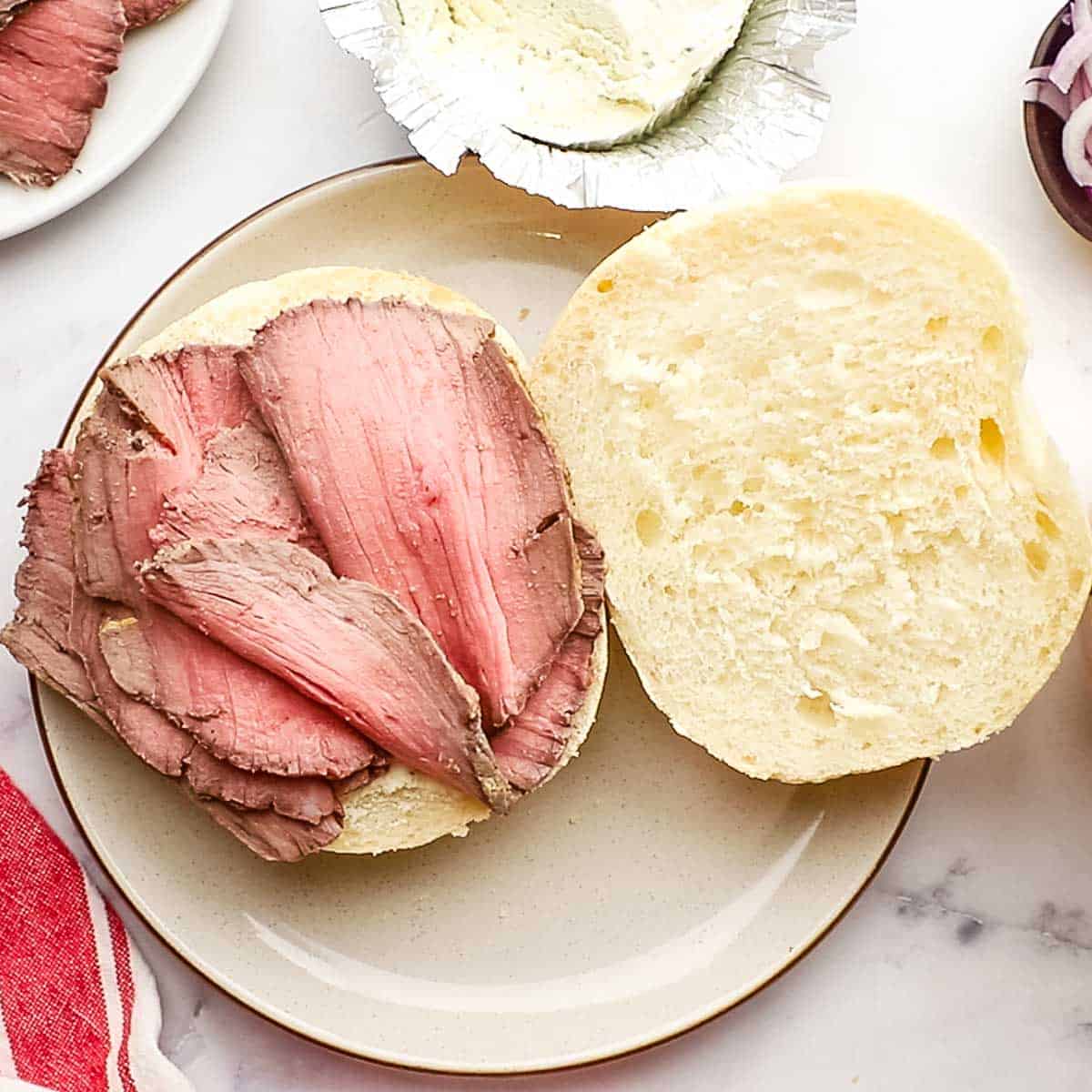
Credit: www.ourhappymess.com
Frequently Asked Questions
How Do You Prepare Roast Beef For Slicing Thinly?
Let the roast beef rest for 15-20 minutes after cooking. Chill it in the fridge for firmer texture. Use a sharp knife and slice against the grain for tender, thin slices.
What Tools Are Best For Slicing Roast Beef Thinly?
A long, sharp carving knife or a meat slicer works best. Ensure the blade is very sharp to avoid tearing the meat. A cutting board with a non-slip surface helps maintain control.
Why Slice Roast Beef Against The Grain?
Slicing against the grain shortens muscle fibers. This makes the beef more tender and easier to chew. Slicing with the grain results in tougher, stringy pieces.
Can I Slice Roast Beef Thinly Without Refrigeration?
It’s harder to slice thinly when warm because the meat is soft. Cooling the roast beef makes slicing easier and cleaner. If needed, partially chill before slicing.
Conclusion
Slicing roast beef thinly makes your meal tastier and easier to eat. Use a sharp knife and cut against the grain for best results. Chill the meat before slicing to get cleaner cuts. Take your time and slice slowly to keep pieces even.
Thin slices help the beef stay tender and juicy. Enjoy your perfectly sliced roast beef in sandwiches or salads. Try these tips to improve your cooking skills today. Simple steps lead to delicious meals every time.