

Your specialty food processor is a kitchen hero, saving you time and effort every day. But have you ever wondered how to keep its motor running smoothly for years?
Taking care of your food processor’s motor is easier than you think, and it can prevent costly repairs or replacements. You’ll discover simple, effective tips to maintain your specialty food processor motor. By following these steps, you’ll ensure your appliance stays powerful and reliable whenever you need it.
Ready to protect your investment and enjoy hassle-free cooking? Let’s dive in!
:max_bytes(150000):strip_icc()/faw-cuisinart-core-custom-4-cup-mini-chopper-rkilgore-0130-a8b91d85408e44f3ae1b0d3af5f3b39f.jpeg)
Credit: www.foodandwine.com
Motor Basics
The motor is the heart of a specialty food processor. It turns electrical energy into motion. This motion powers the blades and attachments.
Key components include the armature, stator, brushes, and bearings. The armature spins inside the stator. Brushes deliver electricity to the spinning armature. Bearings help the motor turn smoothly and quietly.
| Motor Type | Description | Use |
|---|---|---|
| Universal Motor | Runs on AC or DC power, fast and lightweight. | Common in small kitchen appliances. |
| Induction Motor | Durable, quiet, and efficient. | Used in heavy-duty food processors. |
| Brushless Motor | No brushes, less wear, longer life. | Found in high-end, long-lasting models. |
Signs Of Wear
Strange sounds can mean trouble. Whirring, grinding, or clicking might occur. These noises suggest the motor struggles. A healthy motor should run smoothly and quietly. Regular checks help catch issues early.
A warm motor can be a problem. Touch the motor gently. If it feels too hot, it may overheat. Overheating can damage the motor. Ensure there is proper airflow around the device. Keep it clean and free from dust.
Performance can drop over time. The motor may run slower. Food might not be processed evenly. These signs show that the motor needs care. Routine maintenance can help keep it in top shape.
Cleaning Tips
Use a soft cloth or brush to clean the motor area. Avoid using water directly on the motor to prevent water damage. Instead, wipe with a slightly damp cloth and dry immediately.
Never submerge the motor base in water. This can cause electrical shortsand motor failure. Always unplug the food processor before cleaning.
- Remove food particles with a dry brush.
- Use a dry cloth to wipe dust and dirt.
- For sticky spots, use a cloth dampened with mild soap solution.
- Dry the area immediately after cleaning.
- Keep vents clear to avoid overheating.
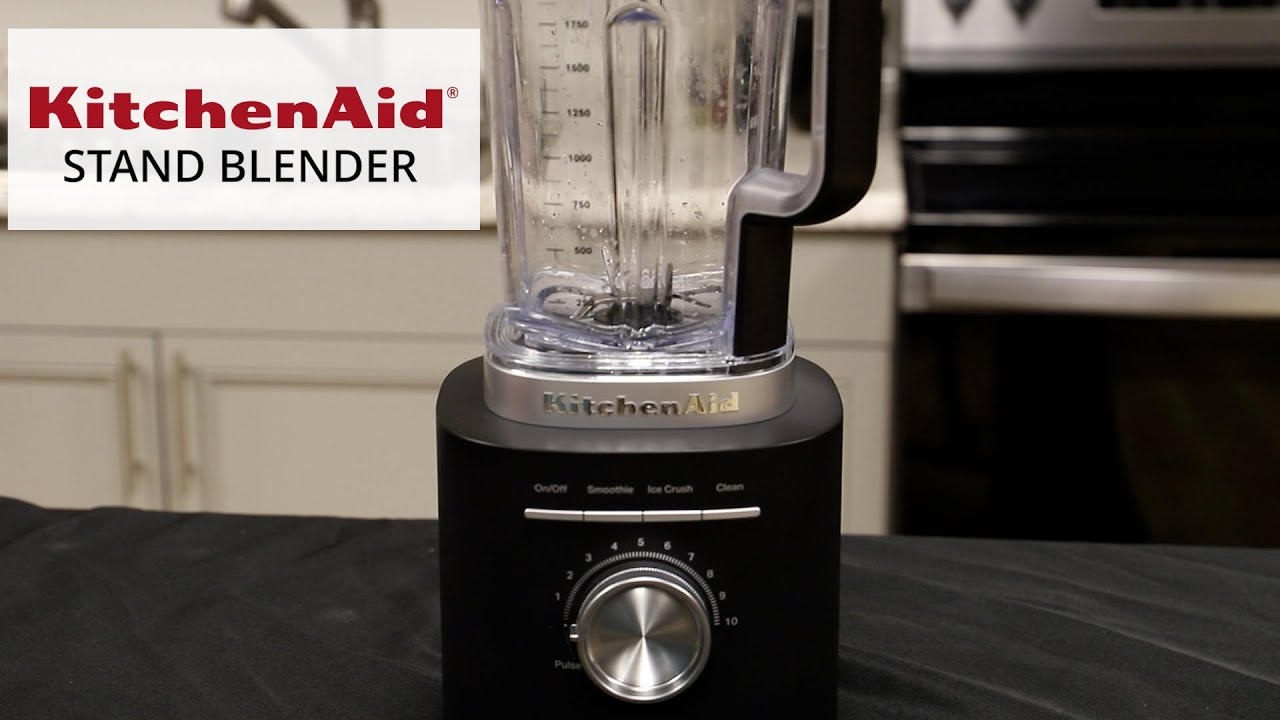
Credit: producthelp.kitchenaid.com
Lubrication Guide
Choose a lubricantthat suits your food processor motor. Look for food-grade lubricants. They prevent damage and keep the motor cool. Avoid using oils that attract dust or dirt. Grease with high temperature resistance works best. It reduces wear and tear on moving parts.
Apply lubricantcarefully to avoid overuse. Use a small brush or dropper. Spread evenly on bearings and gears. Too much lubricant can cause slipping or mess. Wipe away any extra lubricant with a clean cloth. Regular lubrication extends motor life and keeps it running smoothly.
Regular Inspection
Brushes and bearings are key parts of the motor. Check brushes for wear and tear regularly. Worn brushes can cause poor motor performance. Bearings should spin smoothly without noise. Replace any damaged bearings to avoid motor damage.
Look closely at the wiring and connections. Loose or frayed wires may cause the motor to stop working. Make sure all connections are tight and clean. Clean any dirt or dust from connection points to ensure good contact.
Troubleshooting Common Issues
Motor Not Startingoften happens due to loose power connections or a blown fuse. Check the plug and socket carefully. Sometimes, the motor’s thermal fuse trips. Let the motor cool down before trying again. Dirt or food stuck inside can block motor parts. Clean the processor thoroughly.
Intermittent Operationmeans the motor runs on and off. This can be caused by a faulty switch or wiring issues. Make sure the switch is clean and dry. Inspect the wires for breaks or wear. Loose connections can cause power cuts.
Excessive Vibrationmay mean the blade is not attached tightly or is bent. Check the blade and tighten it if loose. Also, the processor should be on a flat, stable surface. Worn motor bearings can cause shaking. Listen for unusual sounds during use.
Preventive Maintenance Schedule
Clean the motor surface and vents every day. Remove food crumbs to avoid clogging. Check the power cord for damage before use. Keep the motor dry and store it in a safe place.
Inspect the motor brushes monthly. Replace them if worn out. Lubricate moving parts lightly to reduce friction. Tighten any loose screws or bolts for safety.
| Annual Service Task | Description |
|---|---|
| Professional Motor Check | Have a technician inspect the motor for wear and tear. |
| Deep Cleaning | Disassemble parts to clean internal components thoroughly. |
| Parts Replacement | Replace worn parts like belts or seals to ensure smooth operation. |
When To Seek Professional Help
Signs of serious damageinclude strange noises, burning smells, or the motor not running. Sparks or smoke coming from the processor are clear warnings. If the motor overheats quickly or stops suddenly, this also signals trouble. Attempting repairs without experience might cause more harm.
Choosing a repair servicerequires checking for certified technicians. Look for services with good reviews and experience with specialty food processors. Ask about warranties and repair guarantees. A reliable service offers clear pricing and honest advice. Keep your processor safe by trusting skilled professionals.
:max_bytes(150000):strip_icc()/faw-mini-food-processors-primary-rkilgore-0828-1-ef83ffc1910f4bc29b822ca52c5ee722.jpeg)
Credit: www.foodandwine.com
Frequently Asked Questions
How Often Should I Clean My Specialty Food Processor Motor?
Clean the motor after every use to prevent residue build-up. Use a damp cloth, avoiding water contact with motor parts. Regular cleaning ensures optimal performance and extends motor lifespan.
What Lubricant Is Safe For Food Processor Motors?
Use food-grade lubricant specifically designed for kitchen appliances. Avoid regular oils as they can damage motor components. Proper lubrication reduces friction and keeps the motor running smoothly.
How Can I Prevent Overheating Of The Food Processor Motor?
Avoid continuous use for more than a few minutes. Let the motor rest between tasks. Ensure proper ventilation and do not overload the processor to prevent overheating.
When Should I Replace The Specialty Food Processor Motor?
Replace the motor if it shows signs of burning smell, unusual noise, or fails to start. Regular maintenance delays replacement, but persistent issues mean it’s time to change it.
Conclusion
Keeping your specialty food processor motor clean helps it last longer. Regularly check for any debris or buildup inside the motor area. Always follow the user manual for proper care steps. Avoid overloading the processor to prevent motor strain. Simple maintenance saves money on repairs and replacements.
A well-maintained motor runs smoothly and efficiently. Small habits make a big difference over time. Take care of your appliance, and it will serve you well. Easy steps keep your food processor working like new.