

Is your meat slicer blade not cutting as smoothly as it used to? A dull blade can make slicing frustrating and even unsafe.
But don’t worry—you can easily bring it back to sharpness with the right steps. In this guide, you’ll discover simple, effective ways to sharpen your meat slicer blade at home. Keep reading to save time, improve your slicing, and get the most out of your equipment.
Your perfect cut is just a few steps away!
Tools Needed For Sharpening
Choosing the right sharpening stone is key. Use a coarse stonefor very dull blades. A fine stoneworks well for regular touch-ups. Stones can be water-basedor oil-based. Water stones are easier to clean. Oil stones last longer but need more care.
Honing rods keep blades aligned between sharpenings. Use rods made from ceramicor steel. Ceramic rods are gentler and good for regular use. Steel rods are tougher and better for heavy sharpening. Sharpening guides help keep the angle steady. This makes sharpening easier and safer.
- Wear cut-resistant glovesto protect hands.
- Use safety glassesto shield eyes from sparks or debris.
- Work in a well-litarea for better control.
- Keep the workspace cleanand free of clutter.
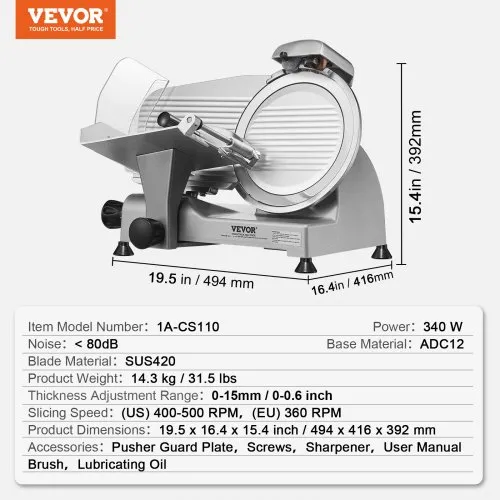
Credit: www.vevor.ca
Preparing The Meat Slicer
Ensure the meat slicer is unplugged before starting. Clean the blade and surrounding parts to remove any food residue. Secure the slicer to keep it steady during sharpening.
Unplugging And Cleaning The Blade
Always unplug the meat slicer first. Safety is very important. Use a soft cloth to clean the blade. Remove any stuck food and debris. This keeps the blade safe and ready. Dry the blade with a towel. Wet blades can rust easily.Removing The Blade Safely
Check the manual for instructions. Every slicer is different. Use a screwdriver to remove the blade. Hold the blade carefully. It can be very sharp. Place the blade on a clean surface. Keep it away from children and pets.Inspecting The Blade Condition
Look at the blade closely. Check for any cracks or chips. A damaged blade needs replacement. A smooth blade works better. Feel the blade’s edge. It should be sharp. If not, it’s time to sharpen. `Sharpening Techniques
Manual sharpeninginvolves using a whetstone or sharpening rod. Wet the stone with water before use. Hold the blade at a steady angle. Slide the blade gently across the stone. Repeat on both sides for even sharpening. Use light pressure to avoid damaging the blade.
Electric sharpeners make the process quicker. Insert the blade into the slot carefully. Let the machine do the work by pulling the blade through. Avoid forcing the blade; let it glide smoothly. Clean the blade after sharpening to remove metal shavings.
| Correct Angle | Blade Type | Effect |
|---|---|---|
| 15° to 20° | Thin blades | Sharp and precise cuts |
| 20° to 25° | Thicker blades | More durable edge |
Maintaining the correct angle is essential. Angles that are too steep or too flat can dull the blade faster. Use an angle guide if unsure. Consistency improves the blade’s sharpness and lasts longer.

Credit: www.youtube.com
Honing And Polishing
Honing and polishing keep the meat slicer blade sharp and smooth. Use a honing stone to remove small nicks, then polish for a clean edge. Regular care ensures better cuts and longer blade life.
Removing Burrs
Burrsare tiny rough edges on the blade after sharpening. Use a fine honing stone or leather strop to gently remove these burrs. Move the blade carefully along the strop at a low angle. This process makes the blade safer and sharper for slicing.
Achieving A Smooth Edge
After removing burrs, polish the blade to get a smooth, shiny edge. Use a soft cloth or a polishing wheel. This step reduces friction and helps the blade cut meat easily. Keep the blade angle steady during polishing to avoid dulling it.
Final Blade Inspection
- Check the blade edge for any rough spots or dull areas.
- Look for a clean, even shine all around the blade.
- Test the sharpness by slicing a thin piece of meat carefully.
- Make sure the blade moves smoothly without resistance.
Proper inspection ensures the blade is ready for safe use.
Reassembling And Testing
Carefully place the sharpened bladeback onto the meat slicer. Make sure it fits securelyand aligns with the motor shaft. Tighten the blade lockor screws firmly, but avoid over-tightening which can cause damage.
Adjust the slicer settings to match your slicing needs. Set the thickness controlto a medium setting first. Check that all safety guardsand parts are in place before use.
Perform test cuts on a piece of meat. Look for smooth, even sliceswithout tearing. If slices are uneven, recheck blade alignment and thickness settings. Make small adjustments until the slicer works smoothlyand safely.
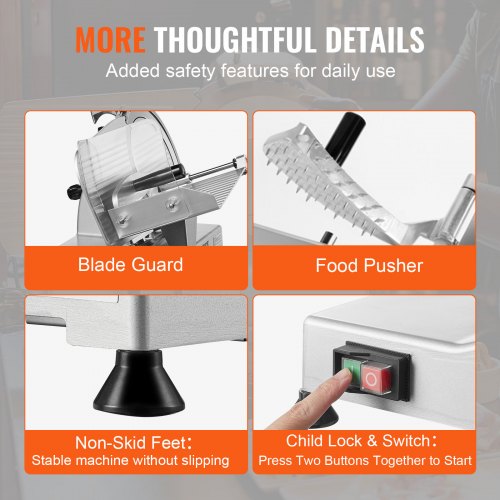
Credit: www.vevor.ca
Maintenance Tips For Longevity
Regular cleaningstops rust and keeps blades sharp. Use warm water and mild soap. Dry the blade fully after washing to prevent moisture damage.
Keep the blade in a dry place. Store it away from dust and dirt. Use a blade cover or sheath to avoid accidents and damage.
| Signs to Replace Blade | Details |
|---|---|
| Dull Cutting | Blade struggles to slice through meat cleanly |
| Visible Chips | Small cracks or chips on the blade edge |
| Rust Spots | Corrosion that cannot be cleaned off easily |
| Excessive Vibrations | Blade wobbles or shakes during use |
Frequently Asked Questions
How Often Should I Sharpen A Meat Slicer Blade?
You should sharpen your meat slicer blade after every 20 hours of use. Regular sharpening ensures consistent slicing performance and blade longevity. Avoid waiting until the blade becomes dull to maintain safety and food quality.
What Tools Are Needed To Sharpen A Meat Slicer Blade?
You need a sharpening stone or a dedicated meat slicer sharpener. Some models require a honing rod and lubricant. Always consult your slicer’s manual for recommended tools and methods.
Can I Sharpen A Meat Slicer Blade Myself Safely?
Yes, you can safely sharpen a meat slicer blade by following the manufacturer’s instructions. Use proper protective gear and ensure the slicer is unplugged before starting. Take your time to avoid damaging the blade or injuring yourself.
How Do I Know When My Meat Slicer Blade Needs Sharpening?
Signs include uneven slicing, increased resistance, or jagged cuts. If meat slices tear or crumble, it’s time to sharpen. Regular inspection helps maintain optimal blade sharpness and slicing quality.
Conclusion
Sharpening your meat slicer blade keeps it cutting smoothly and safely. Regular care saves time and effort during food prep. A sharp blade means cleaner slices and better results every time. Follow the steps carefully and take your time. With practice, sharpening becomes quick and easy.
Keep your slicer in top shape for the best kitchen performance. Simple maintenance makes a big difference in your cooking experience.