

Are you ready to get the most out of your compact slicer? Operating it efficiently can save you time, reduce waste, and make your food prep smoother than ever.
Whether you’re slicing meats, cheeses, or veggies, knowing the right techniques will help you work faster and safer. You’ll discover simple tips and tricks that anyone can use to master their compact slicer. Keep reading, and you’ll be slicing like a pro in no time!

Credit: chefsupplyco.com.au
Choosing The Right Compact Slicer
Compact slicers come in different typesto suit various needs. Some slicers are manual, requiring hand operation. Others are electric, making slicing faster and easier. Electric slicers often have adjustable thickness settings. Manual slicers are simpler and cost less.
Choosing the right slicer means checking key features. Look for blade size, motor power, and ease of cleaning. A sharp, durable blade ensures smooth slices. A strong motor can handle tough foods.
Safety is very important. Always check for safety certificationson the slicer. Certifications mean the slicer meets safety rules. Features like blade guards and automatic shut-off add protection. These help prevent accidents during use.
Preparing The Slicer For Use
Always unplug the slicer before cleaning. Use warm soapy water for all parts. Rinse thoroughly to remove soap. Dry all parts with a clean towel. This prevents rust and germs. Clean the slicer after each use. This keeps it safe and ready.
Ensure all parts are dry before assembly. Follow the manual for correct steps. Align all parts properly to avoid damage. Check for loose screws or parts. Tighten any loose components. Proper assembly ensures smooth operation.
Inspect the blade for any chips or damage. Replace the blade if damaged. Keep the blade sharp for best performance. Use a sharpening stone or service. Regularly oil the blade to prevent rust. This keeps the slicer working well.
Operating Techniques For Efficiency
Place food items flat and stable on the slicer. This helps keep the slices even and safe. Avoid stacking food too high. It can cause uneven cuts and slow down the process.
Use the thickness dial to set the slice size. Thinner slices cook faster and are easier to eat. Thicker slices hold better for sandwiches or salads. Adjust the dial slowly to avoid sudden changes.
- Keep your hand steady while slicing for smooth cuts.
- Use a gentle, steady push to avoid jagged edges.
- Slice in one direction, not back and forth.
- Clean the blade often to keep it sharp and efficient.

Credit: www.amazon.com
Safety Measures While Slicing
Using safety guardsprotects your hands from sharp blades. Always ensure guards are in place before slicing.
Handling blades requires care and attention. Never touch the blade edge directly. Use tools or gloves when cleaning or changing blades.
Know the emergency procedures. Turn off the slicer immediately if it jams or malfunctions. Keep a first aid kit nearby for cuts or injuries.
- Check guards before starting
- Hold food with a pusher, not your hand
- Wear cut-resistant gloves if possible
- Turn off slicer if any problem arises
- Keep emergency numbers accessible
Cleaning And Maintaining After Use
Disassembling the slicer carefully helps clean all parts well. Remove the blade, food carriage, and guard. Wash each part with warm, soapy water. Use a soft brush to clean hard-to-reach areas. Dry parts completely before reassembling to avoid rust.
- Check blade sharpness regularly and sharpen if needed.
- Lubricate moving parts with food-safe oil to keep smooth motion.
- Tighten screws and bolts to ensure safe operation.
- Inspect electrical cords for damage to prevent hazards.
Store the slicer in a clean, dry place to avoid moisture damage. Cover the blade with a protective guard. Keep it away from children and pets. Proper storage extends the slicer’s life and keeps it safe.
Troubleshooting Common Issues
Blade dullnessreduces slicing quality and safety. Sharpen blades regularly using the proper tools. Replace blades if sharpening does not restore sharpness. Clean the blade after each use to prevent buildup.
Motor problemscan cause the slicer to stop working or run slowly. Check the power supply and cords for damage. Avoid overloading the motor by slicing too thick or hard items. Keep the motor clean and free from dust.
Uneven sliceshappen due to blade misalignment or improper thickness settings. Adjust the thickness knob carefully before slicing. Inspect the blade alignment and tighten any loose parts. Use consistent pressure while slicing for smooth cuts.
Maximizing Lifespan And Performance
Regular sharpeningkeeps blades cutting smoothly and safely. Dull blades can cause uneven slicing and strain the motor. Sharpen blades often using the right tools. This helps keep the slicer working well for a long time.
Proper usage habitsprotect the slicer from damage. Always slice food slowly and avoid forcing it through. Clean the slicer after each use to stop buildup. Use the slicer only for its intended foods to avoid wear.
Professional servicingchecks the slicer deeply. Experts clean, adjust, and fix parts that you cannot. This service helps spot small problems before they grow. Schedule servicing regularly to keep the slicer in top shape.
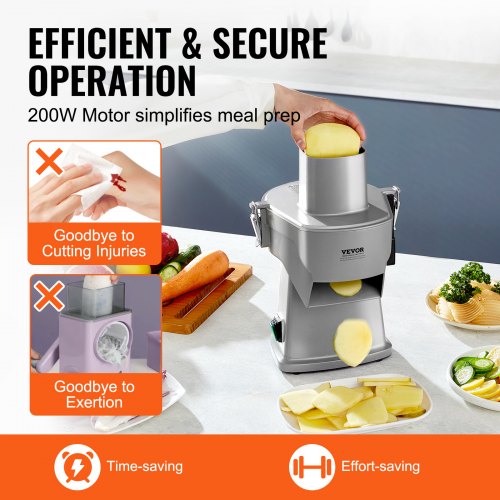
Credit: www.vevor.com
Frequently Asked Questions
How Do I Safely Start A Compact Slicer?
Always ensure the slicer is on a stable surface. Check all parts are correctly assembled. Use the safety guard and never bypass safety features before switching it on.
What Maintenance Keeps A Compact Slicer Efficient?
Clean the slicer after every use to prevent buildup. Sharpen blades regularly to maintain cutting precision. Lubricate moving parts as per manufacturer instructions for smooth operation.
How Can I Achieve Uniform Slices With A Compact Slicer?
Adjust the thickness setting carefully before slicing. Use consistent pressure when feeding food into the slicer. Ensure the blade is sharp to produce even cuts.
What Types Of Foods Work Best With Compact Slicers?
Compact slicers are ideal for slicing meats, cheeses, and vegetables. Avoid hard or frozen foods to prevent blade damage. Use appropriate settings for different food textures.
Conclusion
Operating a compact slicer takes practice and care. Keep the blade sharp and clean for best results. Always follow safety steps to avoid accidents. Adjust settings based on the food you slice. Regular maintenance helps your slicer last longer. Small efforts lead to smooth and quick slicing.
Enjoy fresh, evenly cut food every time. Simple habits make your work easier and safer. Your compact slicer can be a helpful kitchen tool. Use it wisely and often for great meals.