
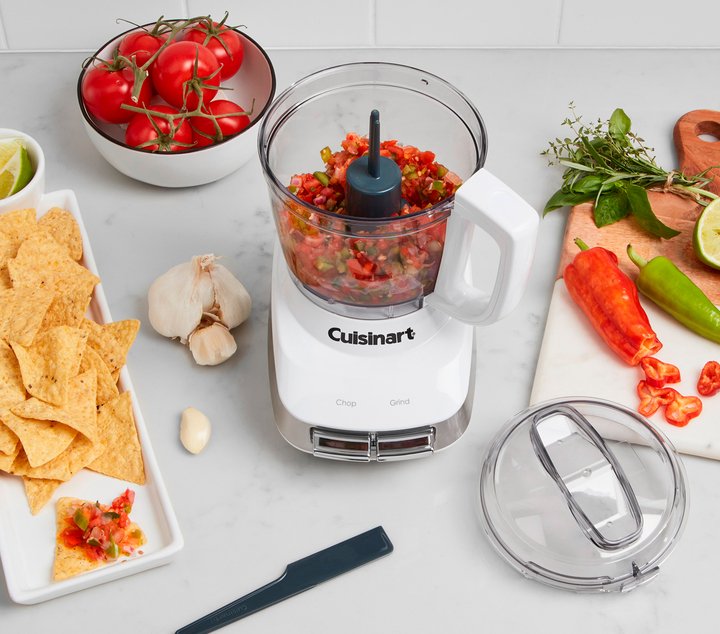
Slicing meat evenly and quickly can be tricky, especially if you don’t have the right tools. What if you could make this task easier with something already in your kitchen?
Your mini food processor isn’t just for chopping veggies—it can help you slice meat perfectly every time. Imagine saving time, reducing mess, and impressing your family with perfectly sliced cuts. You’ll discover simple steps to turn your mini food processor into a powerful meat-slicing tool.
Ready to make cooking easier and more enjoyable? Let’s get started!
Choosing The Right Mini Food Processor
Choosing the right mini food processor is key for slicing meat well. Blade typesvary, with some designed for slicing, shredding, or chopping. Blades made of stainless steelstay sharp longer and handle meat better.
Capacity matters. Small bowls are good for thin slices or small amounts. Larger bowls handle bigger cuts but take more space. Pick a size that fits your kitchen and needs.
| Feature | What to Look For |
|---|---|
| Blade Types | Slicing blade, sharp and durable |
| Capacity | Small to medium, fits your kitchen space |
| Power | Strong motor (at least 200 watts) for smooth slicing |
Power and motor strength affect how well the processor slices meat. Strong motors cut meat cleanly without stopping. Look for a motor with steady power to avoid uneven slices.

Credit: www.youtube.com
Preparing Meat For Slicing
Choose cuts that are tender and lean. Tenderloin and sirloin are great choices. Avoid cuts with too much fat or gristle. They can make slicing hard. Look for even thickness in the meat. This helps in uniform slices.
Chill the meat before slicing. Cold meat is easier to cut. Freeze it for 15 minutes if needed. This makes it firm and simple to handle. Be careful, don’t freeze too long. You don’t want it rock hard.
Trim off any excess fat. This keeps slices neat and clean. Cut the meat into smaller portions. Smaller pieces fit better in a mini food processor. Ensure each piece is manageable. This makes slicing smooth and fast.
Setting Up Your Mini Food Processor
First, place the base of the mini food processor on a flat surface. Attach the bowl securely to the base. Then, fit the lid tightly on top to avoid spills. Insert the blade carefully into the bowl, making sure it locks in place. Check if all parts fit snugly before use.
Always unplug the device before assembling or cleaning. Keep fingers away from the blades to avoid cuts. Use the processor on a stable surface only. Do not force the lid if it does not fit easily. Follow the manufacturer’s safety instructions for best use.
| Attachment | Use |
|---|---|
| Slicing blade | For thin, even meat slices |
| Chopping blade | For diced or chopped meat |
| Shredding disc | For shredded meat pieces |
Slicing Meat Step-by-step
Place the meat in the mini food processor bowl. Cut it into small chunks to fit easily. Avoid overloading for better results. Make sure the meat is cold but not frozen. This helps in getting clean slices.
Use the pulse button to control slicing. Short pulses give better control than continuous operation. Continuous running can crush the meat instead of slicing it. Pulse in quick bursts for even texture.
| Tip | How to Achieve |
|---|---|
| Even Slices | Use short pulses and check frequently |
| Consistent Size | Cut meat into uniform pieces before loading |
| Prevent Overprocessing | Stop and scrape sides if needed |
Cleaning And Maintenance
Start by unplugging the mini food processor before cleaning. Remove the lid and bowl carefully. Take out the blade with caution to avoid cuts. Wash each part with warm, soapy water. Use a soft cloth or sponge. Avoid using abrasive materials that may scratch the surface. Rinse well and dry all parts completely before reassembling.
Keep the blade sharp by drying it after every wash. Avoid soaking the blade for long periods to prevent rust. Store the blade separately if not used often. Lubricate the blade shaft lightly with food-safe oil to keep it moving smoothly.
Store the mini food processor in a dry place. Keep all parts together to avoid losing small pieces. Use a box or container for safe storage. Make sure the blade is covered or wrapped to protect fingers and the blade itself.
Troubleshooting Common Issues
Overheatinghappens if the processor runs too long. Let it rest for a few minutes to cool down. Avoid processing large amounts of meat at once. Cutting meat into smaller pieces helps reduce motor stress and heat buildup.
- Prevent clumping:Chill the meat before slicing.
- Use short pulses instead of continuous running.
- Add a small amount of oil or water to keep meat pieces separate.
Uneven cutsoccur if the meat pieces are too big or the blade is dull. Cut meat into uniform sizes first. Check the blade and replace it if it looks dull or damaged. Use consistent pulse pressure for better slicing results.
Creative Recipes Using Sliced Meat
Sliced meat from a mini food processor makes quick sandwich fillings. Use turkey, ham, or chickenslices. Add cheese, lettuce, and tomatofor a tasty meal. Spread mayo or mustard for extra flavor.
For stir-fry, toss sliced meat with vegetables like bell peppers, broccoli, and carrots. Cook with soy sauce and garlicfor a simple dish. Ready in minutes, perfect for busy days.
Sliced meat works well as salad toppings. Add chicken, beef, or porkon greens. Sprinkle nuts, cheese, and a light dressing. Adds protein and makes salads more filling.
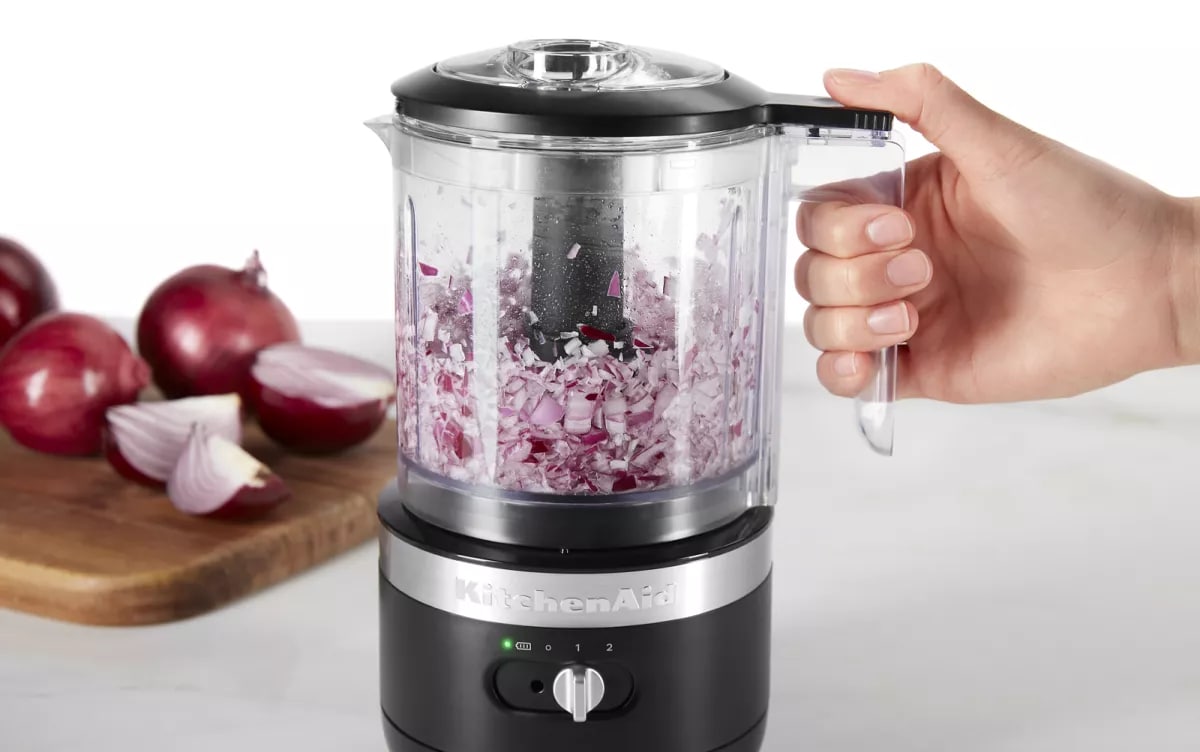
Credit: www.kitchenaid.ca
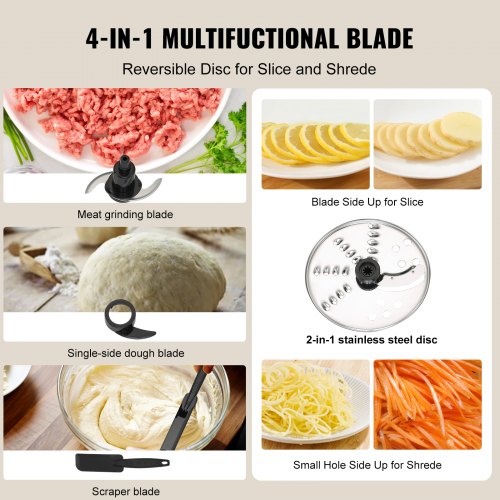
Credit: www.vevor.com
Frequently Asked Questions
How Do I Prepare Meat For A Mini Food Processor?
Cut the meat into small, uniform pieces before processing. Remove bones and excess fat for better slicing. Chill the meat to firm it up, ensuring cleaner cuts with your mini food processor.
Can A Mini Food Processor Slice All Types Of Meat?
Yes, it can slice most meats like beef, chicken, and pork. However, tougher or frozen meats may require pre-cutting or thawing for optimal slicing results.
What Blade Should I Use For Slicing Meat In A Mini Processor?
Use the slicing or shredding blade attachment designed for thin, even slices. Avoid using chopping blades as they can crush or overly mince the meat.
How Do I Avoid Over-processing Meat In A Mini Food Processor?
Pulse the processor in short bursts and check frequently. This prevents the meat from turning into a paste and ensures consistent slices.
Conclusion
Slicing meat with a mini food processor saves time and effort. It makes meal prep faster and cleaner. You get evenly sliced pieces without much skill. Just follow safety tips and cut meat into small chunks first. This tool fits well in small kitchens and is easy to clean.
Give it a try to enjoy quick, neat slices every time. Simple steps lead to great results in your cooking.