

Are you struggling with a dull or damaged food processor blade? Replacing it might seem tricky, but it’s easier than you think.
Your food processor is a kitchen hero, and keeping its blades sharp ensures it works like new every time. In this guide, you’ll learn simple steps to safely and quickly replace your blades. By the end, you’ll feel confident to handle this task yourself—saving time, money, and avoiding frustration.
Let’s get your food processor back to perfect chopping, slicing, and shredding in no time!
Signs You Need New Blades
Dull or damaged edgesmake it hard to chop food well. Blades that are bent or have chips cannot cut properly. This can slow down your work and cause uneven food pieces.
Reduced performanceis a clear sign. Food processor may take longer to blend or chop. You might see bigger chunks instead of finely chopped food. This means blades are not sharp enough to do their job.
Unusual noiseslike grinding or rattling can mean blades are worn out. Strange sounds often happen when blades hit something hard or are loose. It can also mean the motor is under strain due to bad blades.
Credit: rumbointerior.com
Gathering Necessary Tools
Before starting, wear safety glovesto protect your hands. These gloves keep fingers safe from sharp blades. Choose gloves that fit snugly.
Screwdrivers or wrenchesare important. These tools help remove and attach blades. Check the screws and bolts on your processor. Use the right size tool for each part.
Prepare some cleaning suppliestoo. Use a soft cloth and mild soap. Clean the processor parts before and after changing blades. This keeps your food safe and fresh.
Removing Old Blades Safely
Unplug the processorto avoid any accidents. Make sure the power is off and the plug is out of the socket. Safety first!
Remove the bowl carefully. Turn the bowl to unlock it from the base. Lift it up slowly to avoid spills.
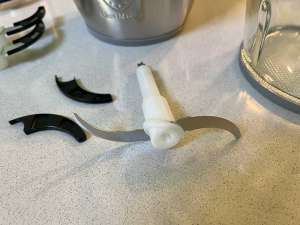
Detach the blades with caution. Blades are sharp. Use a cloth or gloves to protect your hands. Hold the center part and twist gently to release the blade. Avoid touching the sharp edges directly.
Choosing The Right Replacement Blades
Check if the new blades fit your food processor model. Different brands use different blade sizes and shapes. Using the wrong blade can damage the machine or cause poor results.
| Blade Type | Use |
|---|---|
| Chopping Blade | Chops vegetables, nuts, and herbs |
| Slicing Blade | Slices fruits and vegetables evenly |
| Shredding Blade | Shreds cheese and carrots |
Choose blades made from stainless steelfor durability. Avoid blades that look thin or flimsy. Good quality blades last longer and work better. Check user reviews to find trusted brands.
Installing New Blades
First, check the blade’s shape and the slot in the processor. Align the blades so they fit perfectly onto the base. The sharp edges should face the right direction for cutting. Misaligned blades can cause damage or poor performance.
Once aligned, press the blades down gently but firmly. They should click or lock into place. Avoid forcing them too hard to prevent bending or breaking. Make sure the blades do not wobble or move.
After securing the blades, place the bowl back onto the processor base. Turn it until it locks with a secure click. Attach the lid carefully, ensuring it snaps tightly. The processor will not work unless properly reassembled.

Credit: www.amazon.ca
Testing And Maintenance Tips
Running a test cycle helps check if the new blades fit well. Use a small amount of food and run the processor briefly. Listen for strange noises and watch for wobbling. Stop if anything seems off.
Regular cleaning keeps the blades sharp and safe. Wash blades carefully with warm, soapy water after every use. Avoid putting blades in the dishwasher to prevent dulling. Dry them well to stop rust.
Blade sharpening can extend blade life. Use a sharpening stone or take blades to a professional. Sharpen only when blades become dull and cut poorly. Be careful to keep the blade angle steady while sharpening.
Safety Precautions During Replacement
Sharp edges of food processor blades can cause serious cuts. Always hold blades by their plastic parts or use a cloth. Avoid touching the metal edges directly. Wear gloves if possible to protect your hands.
Unplug the food processor before starting any blade replacement. This prevents accidental starts and electrical shocks. Keep the appliance dry and away from water while handling blades. Never plug in the device until the blade is securely fixed.
- Store blades in a safe place, away from children.
- Use blade covers or original packaging for protection.
- Keep blades separate from other kitchen tools to avoid damage.

Credit: www.youtube.com
Frequently Asked Questions
How Do I Safely Remove Food Processor Blades?
To remove blades safely, unplug the processor first. Hold the blade firmly using a towel. Twist or lift the blade according to the model’s instructions. Avoid using bare hands to prevent cuts. Always handle blades with caution.
When Should I Replace Food Processor Blades?
Replace blades when they become dull, bent, or damaged. Dull blades reduce efficiency and affect food texture. Bent blades can cause imbalance and noise. Regular inspection ensures optimal performance and safety.
Can I Use Any Blade For My Food Processor?
No, use only blades designed for your specific model. Different processors require specific blade shapes and sizes. Using incompatible blades may damage the appliance or affect performance. Check your manual for the correct blade type.
How Do I Clean Food Processor Blades After Replacement?
Clean blades carefully with warm, soapy water after removal. Use a brush to avoid direct hand contact with sharp edges. Dry thoroughly before reassembling to prevent rust and maintain blade quality.
Conclusion
Replacing food processor blades is simple and saves money. Always unplug the machine before starting. Handle blades carefully to avoid cuts. Match the new blade with your model. Clean blades regularly to keep them sharp. Proper care helps your processor last longer.
Ready to chop, slice, and blend again! Small steps make a big difference in kitchen tasks. Stay safe and enjoy fresh meals every day.