
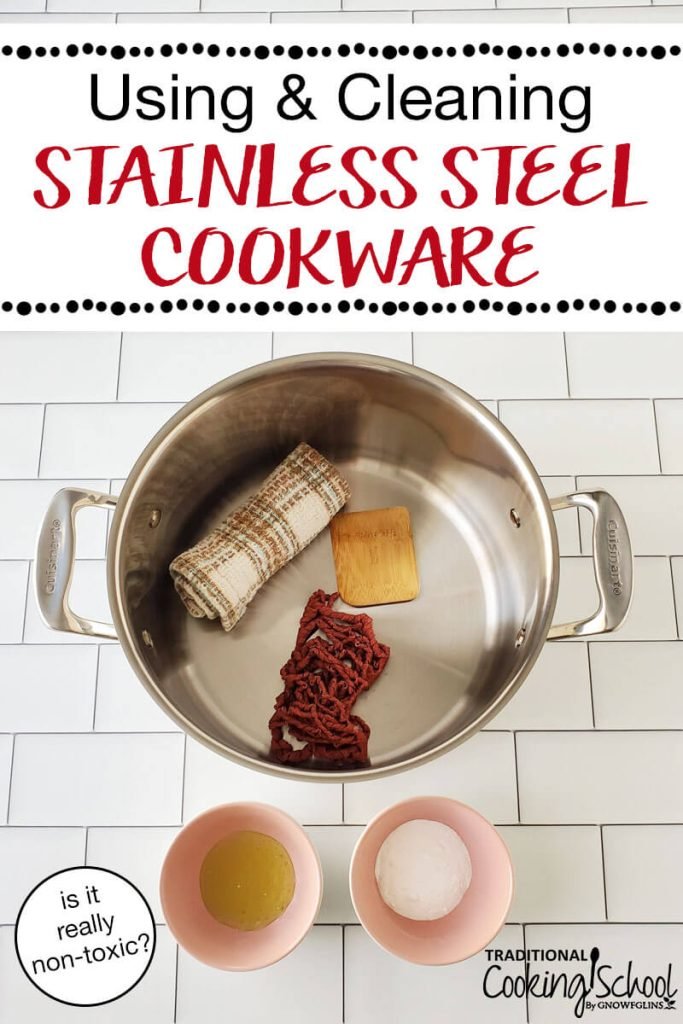
Have you ever wondered if your stainless steel cookware is doing more than just preparing your meals? It’s a common concern that might have crossed your mind while cooking your favorite dishes.
You might be thinking about whether stainless steel cookware leaches into your food and what that means for your health. This question is more than just a passing thought; it’s a crucial consideration for anyone who values their well-being and the safety of their family.
Imagine the peace of mind you’ll have knowing the truth about your cookware’s impact on your food. We’re going to dive deep into the facts, debunk myths, and reveal what you really need to know. Stay with us, and discover how your everyday kitchen choices can make a big difference in your life. Your curiosity is about to be rewarded with insights that could change the way you think about cooking forever.
What Is Stainless Steel?
Stainless steel is a strong metal. It is shiny and smooth. It does not rust easily. This makes it great for cooking. Cookware made from stainless steel is safe. It is durable and lasts long. Many people use it every day. The metal does not change food taste. It keeps food safe and healthy.
Stainless steel is made of iron. It has other metals too. These include chromium and nickel. Chromium makes it shiny. Nickel keeps it from rusting. These metals stay in the steel. They do not come out when cooking. So, stainless steel cookware is safe for food.
Composition Of Stainless Steel Cookware
Stainless steel cookware is made from a mix of metals. It usually contains iron, chromium, and nickel. Iron gives strength to the cookware. Chromium prevents rust. Nickel adds shine to the surface.
Chromium is very important. It makes the cookware safe from rust. Nickel is important too. It adds a bright finish. Some cookware has more nickel. This is for extra shine.
Stainless steel is generally safe. Metals do not easily leach into food. Chromium and nickel are tightly bound in the steel. This prevents them from mixing with food. Proper care keeps the cookware safe.
Potential For Leaching
Stainless steel cookwareis known for its durability. Yet, some worry about metals leaching into food. Several factors can influence this process. The type of food cooked plays a role. Foods high in acidcan cause more leaching. Tomatoes and citrus fruits are examples.
The temperatureof cooking also matters. High heat increases the chances of leaching. Cooking methods, like boiling or frying, can affect metal release. The quality of the cookware is important too. High-quality stainless steel leaches less.
Role Of Heat And Acidity
Heat affects how metals react. Higher temperatures can speed up reactions. Metals might leach more into hot food. Acidity is another key factor. Acidic foods can break down metal faster. So, cooking acidic foods at high heat poses risks.
Credit: traditionalcookingschool.com
Health Implications
Stainless steel cookware is popular in kitchens. It is strong and lasts long. But some people worry about metal leaching. Nickel and chromium are metals in stainless steel. They can get into food while cooking. Usually, the amount is very small. Only a tiny bit gets into food. Some people are allergic to nickel. Even a small amount can cause problems for them.
Experts say small amounts of nickel and chromium are safe. The body can handle them well. Cooking with stainless steel is safe for most people. Foods like tomatoes can cause more leaching. They have acid that reacts with metal. But the amount is still low. Most people can eat food cooked this way without worry.
Comparing Cookware Materials
Stainless steel cookware is popular for its durability and resistance to corrosion. Concerns about leaching into food are minimal, as stainless steel does not easily react with acidic ingredients. Safe for everyday cooking, it ensures food retains its original taste without contamination.
Stainless Steel Vs. Non-stick
Stainless steelcookware is tough and lasts a long time. It doesn’t scratch easily. It’s safe for cooking many foods. Non-stick panshave a special layer. This layer helps food not stick. It’s easy to clean. But, the layer can wear off. It doesn’t like high heat. High heat may damage non-stick pans.
Cooking with non-stick is simple. Less oil is needed. Stainless steel needs more oil. It takes practice to cook well. Both materials are useful. Each has good points. Each has bad points. Choose what you like. It depends on your cooking style.
Stainless Steel Vs. Cast Iron
Cast ironis very strong. It can last forever. It holds heat well. Heat is even across the pan. Cast iron needs special care. It must be seasoned. Seasoning stops rust. It helps food not stick.
Stainless steelis easy to clean. No special care is needed. It does not rust. It’s good for many recipes. Cast iron is heavy. Stainless steel is lighter. Both are great for cooking. Each has unique traits. Pick the one you prefer. It fits your needs and habits.

Credit: www.tiktok.com
Benefits Of Stainless Steel Cookware
Stainless steel cookware lasts a very long time. It is strong and does not break easily. You can use it for many years. This cookware does not rust. It stays shiny and looks new. This makes it a good choice for many families.
Cleaning stainless steel cookware is easy. Use soap and water to wash it. Stains do not stick to it. You can put it in a dishwasher too. It is simple to keep it clean and bright. This makes cooking fun and stress-free.
Choosing Quality Stainless Steel
Stainless steel comes in different grades. The grade tells us its quality. The most common grades are 18/10 and 18/8. These numbers show the amount of chromium and nickel. A higher nickel content means more resistance to rust. It makes the cookware shiny and durable. Grade 18/10 is known for being the best. It is often used in high-quality cookware.
High-quality cookware feels heavy. It has a smooth finish. Handles are sturdy and don’t wiggle. Lids fit tightly to keep heat and steam inside. Good cookware heats food evenly. It doesn’t have hot spots. Check for labels that say “dishwasher safe” or “oven safe.” These are signs of good quality. Always choose trusted brands for safety.
Safe Cooking Practices
Stainless steel cookware is generally safe for cooking and doesn’t leach harmful substances into food. Ensuring proper maintenance and cleaning helps preserve its non-toxic nature. Choosing high-quality stainless steel is key to minimizing potential risks, maintaining food safety, and enhancing cooking experiences.
Avoiding High Acidity Foods
Acidic foods can react with stainless steel. This might cause metals to leach. Foods like tomatoes and citrus are acidic. Try not to cook them for long in stainless steel. Use glass or ceramic for these foods.
Proper Cleaning And Care
Keep cookware clean to prevent leaching. Always wash after use. Use mild soap and warm water. Avoid harsh scrubbers; they can damage the surface. Dry cookware completely before storing. This prevents rust and keeps it safe.

Credit: www.instagram.com
Frequently Asked Questions
Do Stainless Steel Pots Leach Into Food?
Stainless steel pots generally do not leach harmful substances into food. They are considered safe for cooking. Nickel and chromium may leach in trace amounts, but usually not enough to pose health risks. Always use high-quality stainless steel to ensure safety and minimize potential leaching.
How To Prevent Stainless Steel From Leaching?
Use high-quality stainless steel to minimize leaching. Avoid prolonged exposure to acidic foods. Clean regularly with mild detergent. Dry thoroughly to prevent corrosion. Store in a cool, dry place.
What Are The Negatives Of Stainless Steel Cookware?
Stainless steel cookware can be expensive and prone to sticking. It often requires careful maintenance to prevent discoloration. Poor heat conductivity can lead to uneven cooking. Without a non-stick coating, food can stick, making cleaning difficult. Some models may react with acidic foods, altering taste.
Does Stainless Steel Cookware Release Chemicals?
Stainless steel cookware is generally safe and does not release harmful chemicals. It is durable and non-reactive, making it ideal for cooking acidic foods. Ensure proper use and maintenance to prevent minor nickel or chromium leaching, especially if damaged or worn.
Always opt for high-quality stainless steel for safety.
Conclusion
Stainless steel cookware is a safe choice for your kitchen. It rarely leaches into food. Cooking with it is reliable and trusted. Keep your cookware clean to avoid any issues. Don’t worry about harmful chemicals. Stainless steel is durable and effective.
Many chefs use it every day. Maintain your pots and pans well. This ensures long-lasting use. Choose quality stainless steel for best results. Your meals will taste great. Enjoy cooking with confidence. Keep experimenting with new recipes. Embrace the joy of cooking.
Stainless steel supports your culinary adventures.