

Are you tired of uneven slices that ruin the look and taste of your meals? Perfectly thin slices can make your dishes look professional and help flavors blend better.
But slicing thinly isn’t always easy—without the right technique, your slices can end up too thick or crumbly. You’ll discover simple, effective tips to master thin slicing every time. Imagine serving meals that not only taste great but also impress with their presentation.
Keep reading, and you’ll learn how to slice like a pro, making your cooking easier and more enjoyable.
Choosing The Right Knife
Choosing the right knifeis key for thin slicing. Knives with a long, narrow bladework best. They allow smooth, even cuts. A sharp blade helps slice easily without tearing food.
Types Of Knives For Thin Slicing
- Slicing knife:Long blade, perfect for meats and vegetables.
- Chef’s knife:Versatile and good for many tasks, including thin slices.
- Santoku knife:Japanese style, great for precise, thin cuts.
Blade Material And Sharpness
High-carbon stainless steel blades stay sharp longer. Sharp knives make slicing easier and safer. Dull blades crush food instead of slicing it cleanly. Regular sharpening keeps your knife in good shape.
Knife Maintenance Tips
- Hand wash knives with mild soap and dry immediately.
- Use a sharpening stone or a honing rod often.
- Store knives safely in a block or on a magnetic strip.
- Avoid cutting on hard surfaces like glass or stone.

Credit: rebeccataig.com
Preparing The Ingredients
Choose fresh, firm ingredients for easy slicing. Use a sharp knife to cut thin, even slices. Keep your hand steady and slice slowly for better control.
Chilling For Easier Slicing
Chill ingredients before slicing. Cold food is easier to cut. Put them in the fridge for 30 minutes. This makes them firm. Firm items slice more evenly. Cold meat and cheese are best for thin slices.
Trimming And Cleaning
Trim any extra fat or skin. Clean your ingredients well. Clean food is safe to eat. Remove any dirt or bad spots. Clean items are easier to handle. Proper cleaning ensures healthy meals.
Securing Ingredients On The Cutting Board
Use a damp cloth under the board. This stops the board from sliding. Place ingredients securely on the board. Hold them firmly with one hand. Use the other hand to slice. A stable setup means safer slicing.
Slicing Techniques
Thin slices cook evenly and look nice on the plate. Use a sharp knife and steady hands for best results. Keep the food firm and cut slowly to avoid breaking.
Proper Hand Positioning
Hold the knife firmly with your dominant hand. Use your other hand to hold the food steady. Curl your fingers inward to protect them from the blade. Keep your thumb behind your fingers for safety.
Using A Smooth, Steady Motion
Move the knife forward and backward in a gentle, even motion. Avoid pressing too hard to keep slices thin. Let the knife do the work. Keep the motion calm and steady for better control.
Controlling Slice Thickness
| Tip | Description |
|---|---|
| Knife Angle | Hold the knife at a slight angle to make thinner slices. |
| Finger Placement | Use your knuckles as a guide to control slice width. |
| Consistent Pressure | Apply even pressure to keep slices the same thickness. |
| Sharp Knife | Always use a sharp knife for cleaner, thinner cuts. |

Credit: www.throughthefibrofog.com
Using Kitchen Tools
Mandoline slicershelp cut vegetables and fruits into very thin, even slices. They have a flat surface with a sharp blade. Slide food across the blade carefully. Use the hand guard to protect fingers. Adjustable settings let you choose slice thickness.
Food processorscome with slicing blades. Attach the slicing disc, place food in the feed tube, and push down. This tool works well for larger amounts. It saves time and effort. Clean the parts after use to keep it working well.
Electric slicersare great for meats and cheeses. They have a rotating blade that slices food quickly. Adjust the thickness knob to get the slice size you want. Always be cautious near the sharp blade. These slicers offer speed and uniform slices.
Safety Tips For Thin Slicing
Using protective gloveshelps avoid cuts while slicing. Choose gloves made for kitchen use; they are thin but strong. Keep your knife sharp. A sharp knife cuts easily and reduces slipping risks. Always slice on a stable cutting boardto keep the food steady.
Focuson your task. Avoid distractions like phones or talking. Take your time; rushing increases the chance of accidents. Keep your fingers curled inward to protect them from the blade.
- Wear cut-resistant gloves
- Use a sharp knife
- Slice on a steady board
- Keep fingers curled
- Stay focused and patient
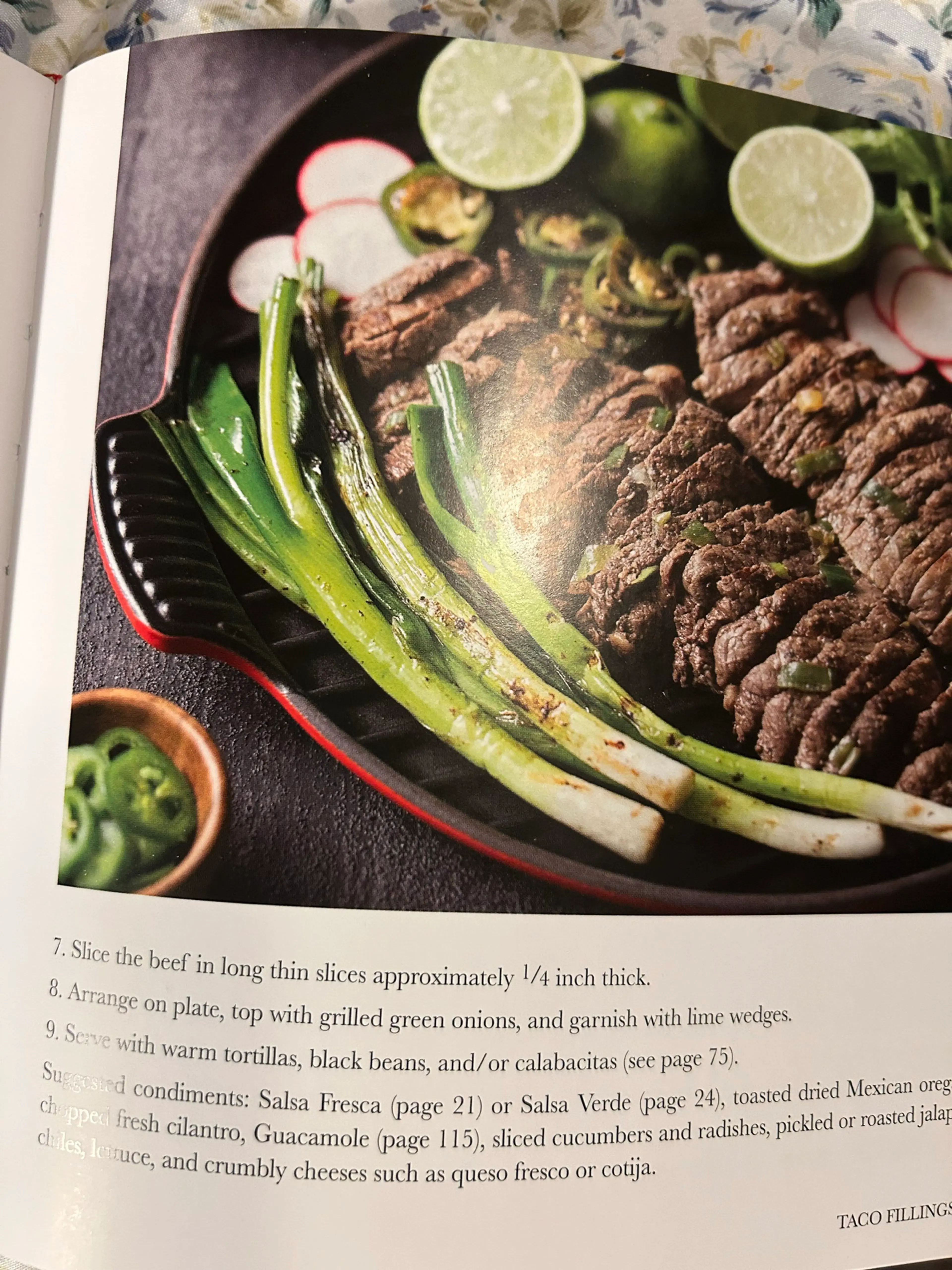
Credit: www.umami.recipes
Storing And Using Thin Slices
Thin slices stay fresh longer if kept in airtight containers. Use wax paper between slices to stop them from sticking. Store in the fridge for up to 3 days to keep the best taste.
Thin slices add texture and flavor to many meals. Place them in sandwiches for a soft bite. Use in salads to add a savory touch. They cook quickly in stir-fries or soups.
Reheat thin cuts gently to keep them tender. Use low heat on the stove or microwave. Cover with a lid or wrap to keep moisture. Avoid overcooking to stop dryness.
Frequently Asked Questions
How Do I Slice Meat Thinly For Meals?
Use a sharp knife and chill the meat first. Slice against the grain for tender, thin cuts. Keep your slices consistent for even cooking.
What Tools Help In Slicing Thin Slices Easily?
A sharp chef’s knife or a mandoline slicer works best. Ensure the blade is clean and sharp to avoid tearing. Use a cutting board with a non-slip surface.
How Can I Prevent Slices From Sticking Together?
Lightly dust slices with flour or cornstarch. Separate layers with parchment paper when storing. Keep slices cool and dry to avoid clumping.
What Foods Benefit From Thin Slicing In Recipes?
Meats, vegetables, and cheeses often require thin slices. Thin slicing allows faster cooking and better flavor absorption. It also improves texture and presentation in dishes.
Conclusion
Slicing thin pieces makes meals look nice and cook evenly. Use a sharp knife and steady hands for best results. Keep your fingers safe by using proper technique. Practice often to improve your slicing speed and accuracy. Thin slices help flavors soak in quickly and make food easier to chew.
Remember, patience and care bring the best slices every time. Enjoy preparing meals with confidence and skill. Simple steps lead to great results in the kitchen.