

Your slicer blade is the heart of your kitchen tool, and keeping it sharp is key to effortless, precise cuts every time. If your blade is dull, you’ll struggle with uneven slices and risk damaging your food or even hurting yourself.
But don’t worry—maintaining your slicer blade sharpness doesn’t have to be a hassle. You’ll discover simple, effective tips that anyone can follow to keep your blade in top shape. Ready to make slicing smoother and safer? Let’s dive in and unlock the secrets to a razor-sharp slicer blade.

Credit: maxtormetal.com
Choosing The Right Blade
Blade materialaffects sharpness and durability. Stainless steel blades are rust-resistantand easy to clean. Carbon steel blades hold sharp edges longer but need more care. Ceramic blades stay sharp the longest but can chip easily. Choose a blade that fits your usage and careability.
| Blade Size | Best For | Style |
|---|---|---|
| 6-8 inches | Small slicing tasks | Straight edge |
| 9-12 inches | General slicing | Serated or straight |
| 12+ inches | Large cuts | Granton edge (with dimples) |
- Match blade size to the food you slice.
- Serated blades work well on crusty bread or tough skin.
- Straight edges are better for smooth, even cuts.
- Regularly check blade condition to maintain sharpness.
Regular Cleaning Techniques
Clean slicer blades regularly with warm, soapy water to remove food particles. Dry blades thoroughly to prevent rust and maintain sharpness. Using a soft brush helps keep edges smooth and effective.
Safe Cleaning Methods
Always unplug slicer before cleaning. Use a soft cloth for the blade. Avoid using hard brushes. They can scratch the blade. Warm soapy water is best for cleaning. Rinse with clean water. Dry thoroughly to prevent rust. Be gentle with the blade. Safety gloves can protect your hands.
Avoiding Corrosion
Corrosion weakens the blade. Always dry the blade after washing. Store in a dry place. Moisture can cause rust. Use food-safe oil on the blade. This forms a protective layer. Oil should be applied regularly. Check for rust spots often. Remove rust immediately with a soft cloth. Never use harsh chemicals on the blade.
Proper Storage Practices
Use protective coversto shield slicer blades from damage. Covers prevent dust, moisture, and accidental contact, which dull blades quickly. Always place the cover carefully to avoid bending the blade.
Keep slicer blades in ideal storage conditions. Store them in a dry, cool place, away from direct sunlight. Avoid places with high humidityto stop rust. Use a clean clothto wrap blades for extra protection.
| Storage Condition | Reason |
|---|---|
| Dry place | Prevents rust and corrosion |
| Cool temperature | Maintains blade sharpness |
| Protective cover | Stops dust and accidental damage |
| Wrapped in cloth | Extra layer of protection |
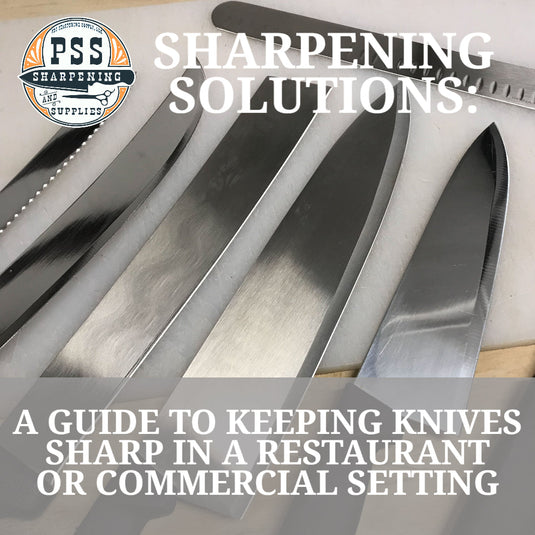
Credit: prosharpeningsupply.com
Sharpening Methods
The blade sharpnessof a slicer affects how well it cuts. Dull blades make slicing hard and unsafe. Knowing when to sharpenis key. If the slicer pulls or tears food, it needs sharpening. Also, if cutting feels harder than usual, sharpen it soon. Regular use means sharpening more often. For home use, sharpening every few months works well.
DIY sharpeninguses simple tools like stones or sharpening rods. It saves money and works fine if done carefully. But it needs practice to keep the right blade angle. Professional sharpeninggives the best results. Experts use machines that sharpen evenly and fast. This method keeps blades sharp longer and prevents damage. Choose based on your comfort and slicer use.
Handling And Usage Tips
Use a smooth, steady motion when slicing. Avoid forcing the blade through hard items. Let the blade do the work to keep it sharp longer.
Cut at a consistent angle to reduce blade wear. Always slice on a soft surface like a cutting board. Hard surfaces can dull the blade quickly.
- Do not twist or bend the blade while cutting.
- Avoid cutting frozen or extremely hard foods without proper tools.
- Keep fingers and hands away from the blade edge.
- Use the right slicer blade for the specific food type.
- Clean the blade carefully after each use to prevent damage.

Credit: partsfe.com
Signs Of Blade Wear
Dullnessshows when the blade cuts unevenly or drags. Food slices look rough or torn. The blade may feel blunt to touch or press. You might hear unusual noise during slicing. More force is needed to cut, which is unsafe.
When to Replace:Change the blade if dullness affects your work. Frequent use wears blades faster. Replace if sharpening doesn’t fix the dullness. Check for chips or cracks on the blade edge. Damaged blades can cause accidents or poor cuts.
Frequently Asked Questions
How Often Should I Sharpen Slicer Blades?
Slicer blades should be sharpened regularly based on usage. For heavy use, sharpen every 1-2 weeks. Light use may require monthly sharpening. Regular maintenance prevents dullness and ensures clean cuts.
What Tools Are Best For Sharpening Slicer Blades?
Use a whetstone, sharpening steel, or specialized blade sharpener. Ensure the tool matches your slicer blade type. Proper tools maintain blade integrity and sharpness effectively.
Can I Sharpen Slicer Blades Myself Safely?
Yes, with proper tools and caution, you can sharpen blades safely. Follow manufacturer guidelines and use protective gear. If unsure, seek professional sharpening to avoid damage or injury.
How To Clean Slicer Blades Before Sharpening?
Clean blades with warm soapy water and dry thoroughly. Remove all food residues and grease. Clean blades sharpen better and last longer without rust or damage.
Conclusion
Keeping your slicer blade sharp helps it cut smoothly and safely. Clean the blade after each use to stop rust and buildup. Sharpen the blade regularly to maintain its edge and avoid dull spots. Always handle the blade carefully to prevent damage.
A sharp blade saves time and effort while preparing food. Follow these simple steps to keep your slicer working well. Your kitchen tasks will become easier and more efficient. Caring for your blade is a small effort with big benefits.