
Are you tired of scrubbing endlessly at your cast iron cookware, only to find stubborn bits of food still clinging on? Imagine being able to effortlessly maintain that beautiful, non-stick surface that makes cooking feel like a dream.
Your cast iron skillet or Dutch oven deserves the best care, and you deserve the satisfaction of seeing it gleam with every use. Whether you’re a seasoned chef or just starting in the kitchen, understanding how to clean your cast iron cookware properly can transform your cooking experience.
Discover the secrets to keeping your cast iron in pristine condition, ensuring it lasts a lifetime and elevates your culinary creations. Ready to make cleaning your cast iron as satisfying as cooking with it? Let’s dive in and unlock the magic!
Credit: www.thekitchn.com
Benefits Of Cast Iron Cookware
Cast iron cookwareis strong and lasts a long time. It can handle high heat and makes food taste better. Cooking with it gives food a nice, crispy crust. This is why many people love it.
It also helps in keeping food warm for longer. This is useful for big family meals. Cast iron is also safe to use. It does not have harmful chemicals. This makes it a healthy choice for cooking.
Cleaning is easywith the right steps. You don’t need soap, just water and a scrub. This simple cleaning keeps the cookware in good shape.
Using cast iron can also add some iron to your food. This is good for your health. So, cast iron cookware is a great kitchen tool!
Tools And Materials Needed
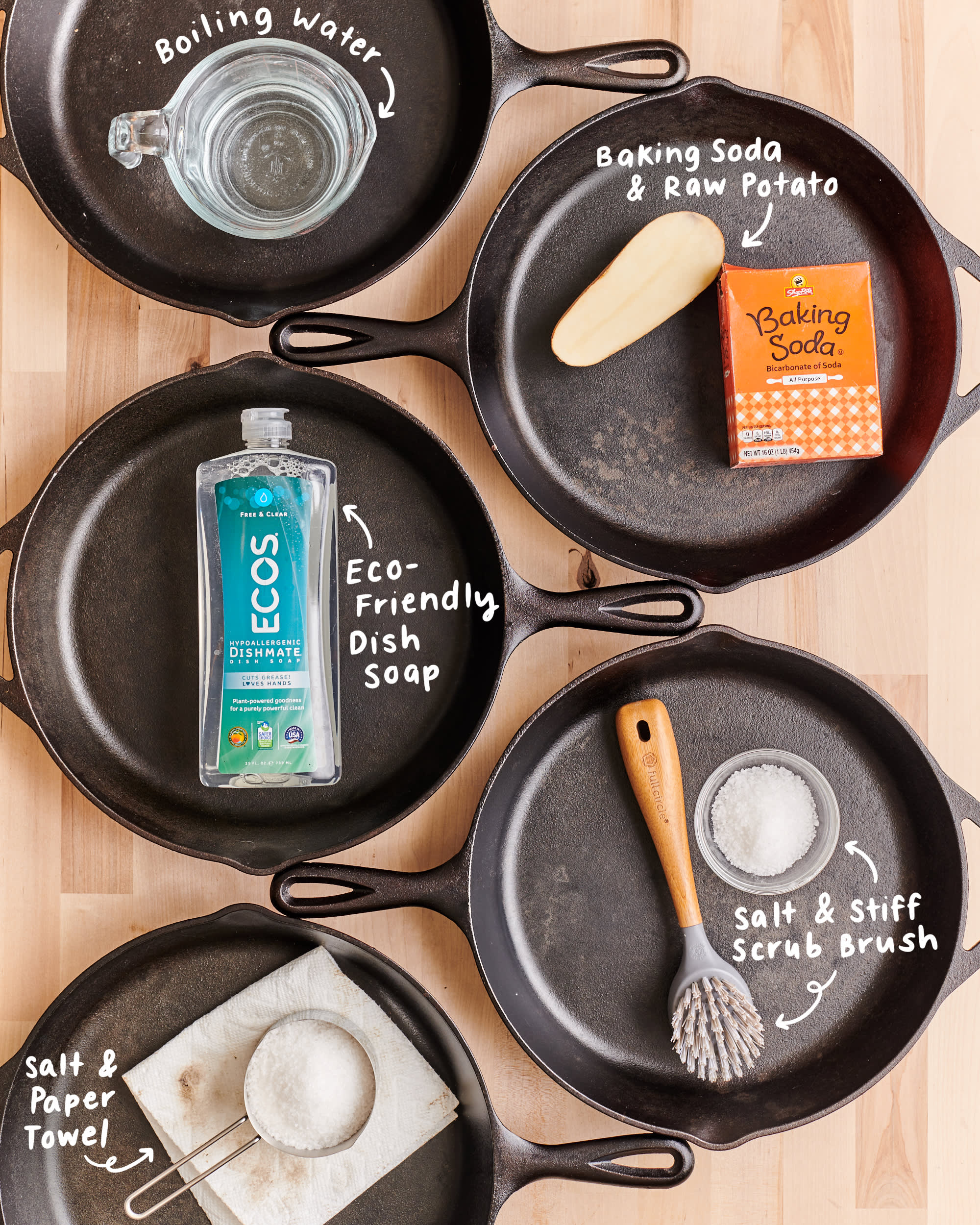
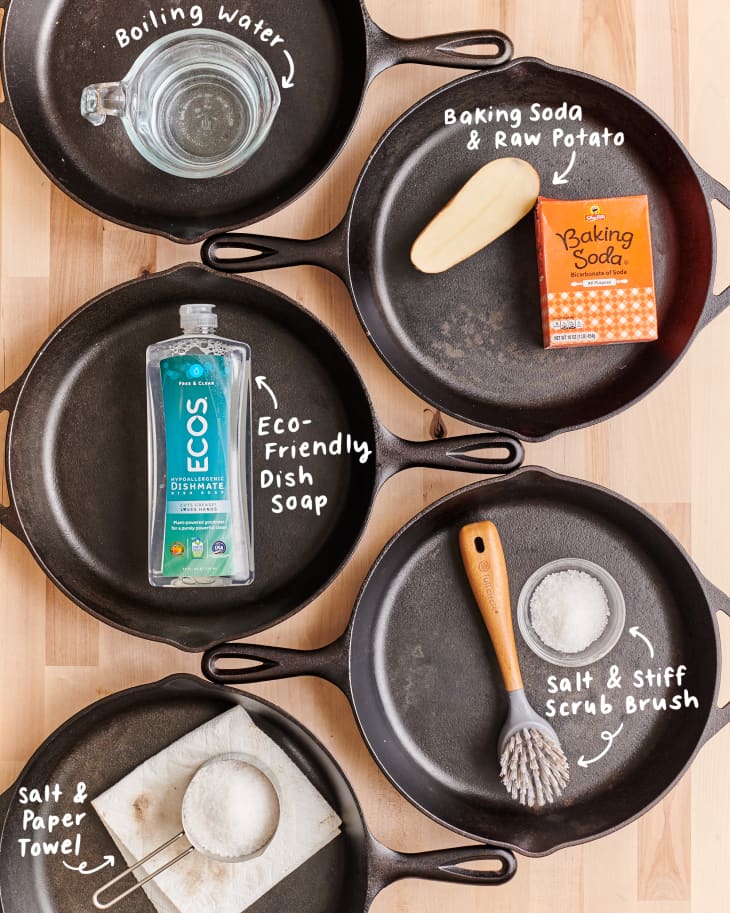
Cleaning cast iron requires simple tools. Soap is important. Warm water is needed too. Use a soft brush or sponge. Salt can help scrub tough spots. Paper towels or a dry cloth are useful. A plastic scraper removes stuck food. Oil is key for seasoning after cleaning.
Gather these items before starting. This makes cleaning easy. Avoid metal scrapers. They scratch surfaces. Never use dishwashers. They ruin cast iron. Gentle care keeps cookware safe.
Pre-cleaning Preparation
Let the pan cool down after cooking. Hot pans can burn skin. Never soak hot pans in water. Sudden change can damage the pan. Wait until the pan feels cool. Patience is important for safety.
Use a soft brush to remove food bits. Scrub gently around the pan. Avoid using metal scrubbers. They can scratch the surface. Warm water helps loosen stuck food. A plastic spatula can help scrape food off. No soap is needed. Soap can ruin the pan’s seasoning. Rinse the pan thoroughly after scrubbing. Let it dry completely.

Credit: www.youtube.com
Cleaning Techniques
Hot water is great for cleaning cast iron. Rinse the cookware while it is still warm. This makes food bits come off easily. Never use cold water on hot pans. It can crack them. Always dry the pan after washing to prevent rust.
Use a soft brush or sponge to scrub. Avoid metal scrubbers. They can scratch the surface. For tough spots, add some coarse salt. It helps scrub away food bits. Rinse well after scrubbing.
Soap can strip the pan’s seasoning. Seasoning keeps the pan non-stick. Use hot water instead. If needed, a small amount of soap is okay. Rinse thoroughly if you do use soap.
Drying And Storing
Preventing ruston cast iron cookware is important. After washing, dry it with a clean towel. Make sure no water is left. Water can cause rust quickly. If needed, heat the pan on the stove. This ensures all water evaporates. A small amount of cooking oil can help. Rub it over the surface. This creates a protective layer against rust.
Storage tipsare simple. Store the cookware in a dry place. Moisture is the enemy of cast iron. Avoid stacking pans directly on top of each other. Place a paper towel between them. This prevents scratching and absorbs moisture. Hanging the cookware can be a great option. It keeps them dry and easy to reach.
Seasoning Cast Iron
Seasoning creates a protective layer on your cast iron. This prevents rust and enhances cooking. It makes the surface non-stick. You can cook with less oil. Food won’t stick easily.
First, clean your cast iron with warm water. Dry it well. Apply a thin layer of vegetable oil. Rub it all over the pan.
Next, place the pan upside down in your oven. Set the oven to 350°F. Bake for one hour. Let it cool inside the oven. This helps the oil bond to the metal. Repeat this process for better results.
Common Mistakes To Avoid
Soap can remove the seasoning. This makes the pan stickier. Instead, use hot water. Scrub with a soft brush. Rinse and dry well.
Water causes rust. Always dry your pan. Use a towel or place on the stove. Heat it until all water is gone.
Wet pans rust fast. Ensure it’s fully dry. Store in a dry place. Keep it ventilated.
Metal scrubbers scratch. They damage the surface. Use soft scrubbers. They keep the pan smooth.
Maintaining Cast Iron Cookware
Cleaning cast iron cookware involves gentle scrubbing with a stiff brush and warm water. Dry thoroughly to prevent rust. Apply a thin layer of oil after cleaning to maintain its seasoned surface.
Regular Care Tips
Cast iron cookware needs gentle care. Always dry your cast iron after washing. This prevents rust. Use a soft cloth or paper towel. Apply a thin coat of oil. This keeps the surface smooth. Store in a dry place. Avoid stacking with other pans. This can scratch the surface.
Long-term Maintenance
Season your cast iron regularly. Heat the pan for a few minutes. Add a little oil. Spread it with a cloth. Let it cool. This builds a protective layer. Avoid harsh soaps. They remove the seasoning. Scrub gently with a brush. Never soak in water. This helps your cookware last longer.
Troubleshooting Issues
Cleaning cast iron cookware involves careful steps to maintain its quality. Use warm water and gentle scrubbing to remove food residues. Avoid soap to preserve the pan’s seasoning, ensuring a long-lasting and efficient cooking surface.
Removing Rust
Rust can be stubborn. Use some steel wool to scrub it off. Rub gently to avoid scratches. After rust is gone, wash the pan. Use warm water and a soft sponge. Dry it completely. A wet pan can rust again. After drying, apply a thin layer of oil. This helps protect your pan.
Handling Sticky Residue
Sticky residue is annoying. Sprinkle salt on the sticky area. Use a damp cloth to rub it. The salt acts like a scrubber. For tough spots, try baking soda. Mix it with water to form a paste. Rub the paste on the sticky part. Rinse well with warm water.
Credit: www.thekitchn.com
Frequently Asked Questions
How Do You Clean A Cast Iron Skillet After Use?
Clean a cast iron skillet by rinsing with hot water. Use a brush or sponge to remove food residue. Dry thoroughly with a towel. Apply a light layer of oil to prevent rust. Store in a dry place.
How To Clean Black Stuff Off A Cast Iron Pan?
Scrub the pan with coarse salt and a stiff brush. Rinse with warm water, then dry thoroughly. Apply a thin layer of vegetable oil to prevent rust. For stubborn spots, use a paste of baking soda and water. Avoid using soap to maintain seasoning.
How To Clean Burnt Stuff Off A Cast Iron Pan?
Scrub the pan with coarse salt and a damp cloth to remove burnt residue. Rinse and dry thoroughly. Apply vegetable oil to the pan’s surface for seasoning. Heat it gently to restore its non-stick properties. Avoid soap to maintain the pan’s seasoning.
Repeat if necessary for stubborn burnt spots.
Is Dawn Dish Soap Safe On Cast Iron?
Dawn dish soap is safe for cast iron. Use sparingly and rinse thoroughly. Avoid soaking to maintain seasoning.
Conclusion
Cleaning cast iron cookware is simple with the right steps. Always dry your pan thoroughly to prevent rust. Regular seasoning keeps the surface non-stick. Avoid soap; it can strip the seasoning. Scrub gently with a brush or salt for tough bits.
Store in a dry place after cleaning. Consistent care enhances the lifespan of your cookware. Remember, proper maintenance ensures delicious meals for years. So, keep your cast iron clean and ready for use. Happy cooking!