
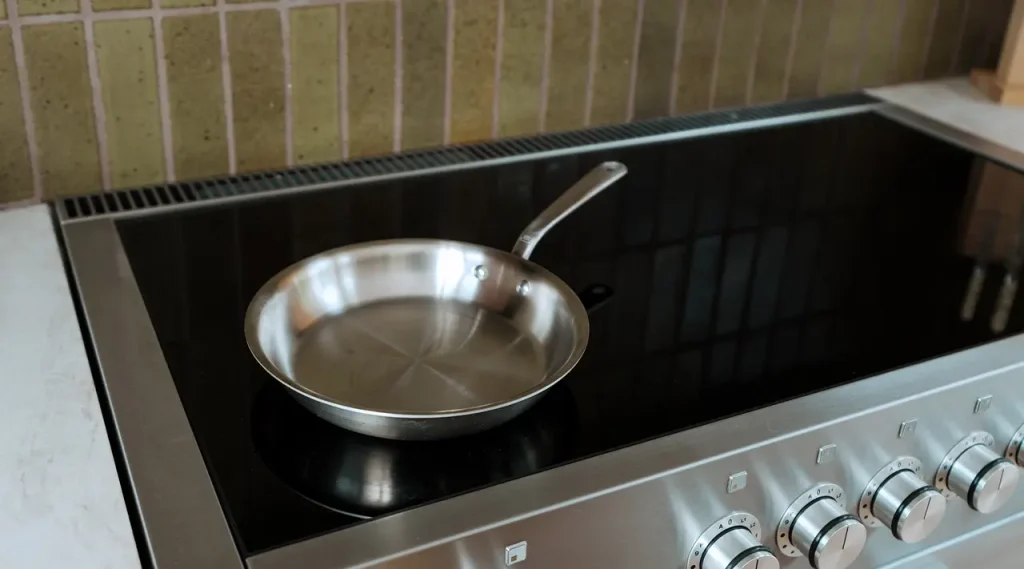
Are you looking to upgrade your kitchen but worried about compatibility between your new cookware and your glass top stove? You’re not alone.
Many people are curious about whether induction cookware can be used on a glass top stove. It’s a smart question that could save you time, money, and avoid kitchen mishaps. Imagine the ease of cooking with sleek, efficient cookware that not only enhances your culinary skills but also complements the style of your kitchen.
Before you make any decisions, let’s explore the ins and outs of using induction cookware on a glass top stove. This information could be the key to transforming your cooking experience. Read on to discover what works best for your stove and why making the right choice could make all the difference in your cooking adventures.
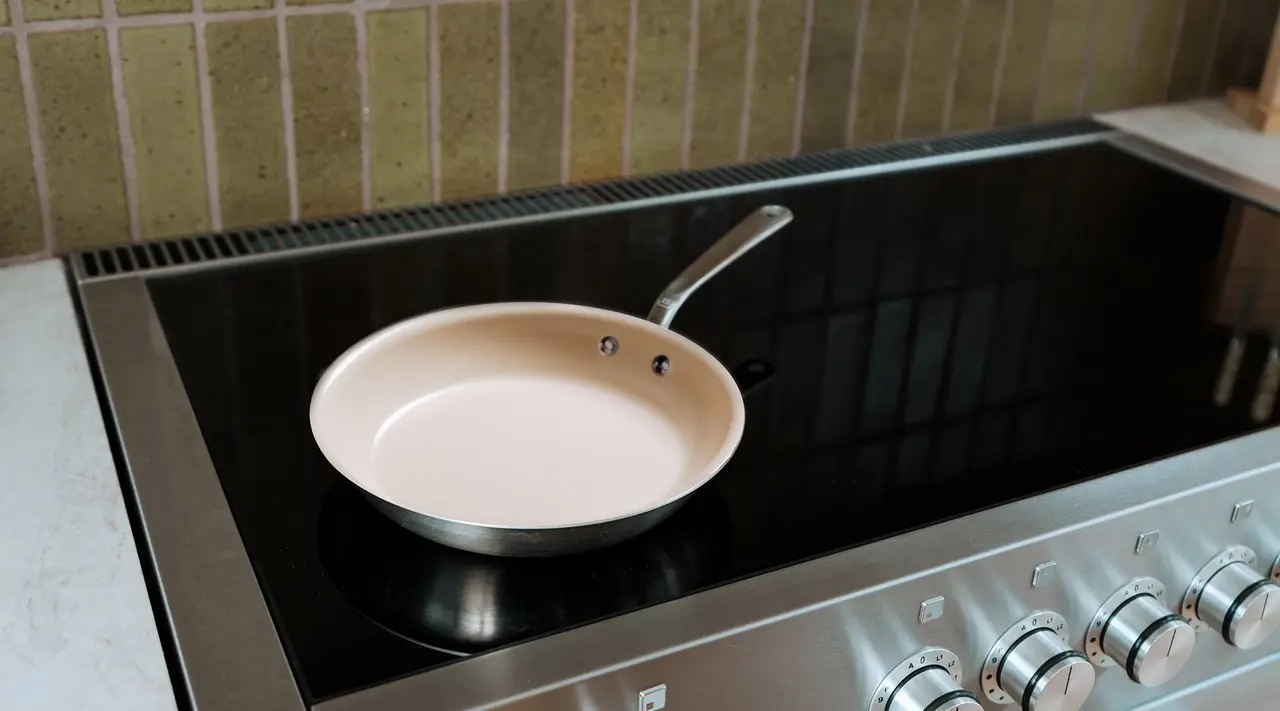
Credit: madeincookware.com
Induction Cookware Basics
Induction cookware uses magnetic fields to heat. The stove creates these fields. They pass through the cookware’s metal bottom. This heats the pan. No flames. No direct heat. It’s safe and efficient. The stove stays cool. Only the pan heats up. This method saves energy.
Most induction cookware is made of stainless steel. Some use cast iron. Both metals work well with induction. They are magnetic. This is important for induction cooking. Copper and aluminum pans are not suitable. They don’t work on induction stoves. But, some have a magnetic layer. This layer helps them work. Always check the label. Look for “induction ready”. This ensures it works on your stove.
Glass Top Stove Features
Glass top stoves look sleekand modern. They fit well in stylish kitchens. The smooth surface adds a touch of elegance. These stoves are easy to clean. No gaps for dirt to hide. They provide a nice, flat space for cooking. Many colors are available. Choose one that matches your kitchen.
Glass top stoves heat evenly. This helps with consistent cooking. They work with various pots and pans. They are energy-efficient. They save power and cook food quickly. Controls are usually simple to use. Some models offer touch controls. These stoves are safe. The surface cools down fast after cooking.
Compatibility Factors
Induction cooktops need special cookware. This cookware should be magnetic. Test your pan with a magnet. If it sticks, it’s compatible. Stainless steel often works. Aluminum pans may not work. Cast iron is a good choice. Copper pans usually don’t work.
Cookware should be stableon glass top stoves. Heavy pots are better. They don’t slide easily. Light pans might wobble. Stability is crucial for safety. Make sure the pan base is flat. A warped pan is not stable. Choose pots with a smoothbottom. This prevents scratches. Glass tops can be delicate.
:max_bytes(150000):strip_icc()/Cookware-Glass-Top-Stove-GK-72a1d6f6a1a74459acafcd0d7902dd11.jpg)
Credit: www.seriouseats.com
Potential Benefits
Induction cookware can be more energy efficienton glass top stoves. Heat goes directly to the pan. This means less energy is wasted. Cooking is faster, saving time and power. The stove stays cool, making it safer.
Using the right cookware helps in using energy wisely. Glass top stoves and induction pans work well together. This combo keeps the kitchen cooler. Less heat is lost, saving energy.
Glass top stoves are easy to clean. Spills do not stick as much. A quick wipe is often enough. Induction cookware helps in keeping spills low. The stove stays cooler, so food burns less.
Using induction pans means fewer messes. The stove’s surface is smooth. Cleaning is simple and fast. No need for special cleaners or tools. A damp cloth is usually enough.
Possible Drawbacks
Using induction cookware on a glass top stove might lead to scratches on the smooth surface. Heavy pots can also crack the glass if not handled carefully. Magnetic cookware is essential, or the heat may not distribute evenly.
Risk Of Scratches And Damage
Glass top stoves are smooth and shiny. Induction cookware is often heavy. Heavy pots may scratch the glass surface. Scratches can make the stove look old. Damage might affect the stove’s performance. Always lift cookware gently off the stove. Sliding pots can cause scratches. Use caution when cooking.
Cost Implications
Induction cookware can be expensive. Quality pots and pans cost more. Glass top stoves may need special care. Repairing scratches can be costly. Replacing damaged parts might be expensive. Investing in protective covers is smart. Covers help keep the stove safe. Avoiding scratches saves money over time.

Credit: stahlkitchens.com
Tips For Safe Use
Always lift cookware instead of sliding it. Sliding can scratch the glass top. Keep the surface clean and dry. Dirt can cause scratches. Use a soft cloth to wipe it. Check the bottom of your cookware. Make sure it is smooth. This helps protect the stove.
Select cookware with a flat base. It should fit the burner size. Magnetic properties are important for induction. Test with a magnet. If it sticks, the cookware is good. Avoid glass, copper, and aluminum. They may not work well. Look for the induction symbol on the packaging.
Alternatives To Induction Cookware
Many people use traditional cookwareon glass top stoves. These include pots and pans made from stainless steel, cast iron, and copper. Stainless steel is a popular choice. It heats evenly and is easy to clean. Cast iron is very durable. It can cook food for a long time. Copper looks nice and heats quickly. Each type of cookware has its own benefits.
Some cookware does not work on induction stoves. But, they work well on glass tops. Aluminumis light and heats up fast. Non-stick pans are easy to use and clean. Glass and ceramiccookware are also options. They look nice and are often used for baking. It’s important to choose the right cookware for the best cooking experience.
Frequently Asked Questions
What Pans Should Not Be Used On A Glass Top Stove?
Avoid using cast iron, stoneware, or ceramic pans on glass top stoves. These materials can scratch or damage the surface. Heavy or uneven-bottomed pans may cause cracks. Choose smooth-bottomed cookware for optimal performance and safety.
Can I Use An Induction Pan On A Non-induction Stove?
Yes, you can use an induction pan on a non-induction stove. Induction pans work on gas and electric stoves too. Ensure the pan’s material is compatible with your stove type for optimal performance. Always check manufacturer guidelines for safe usage across different stove types.
What Kind Of Cookware Is Best For A Glass Top Stove?
Choose flat-bottomed cookware for glass top stoves. Opt for stainless steel, titanium, or aluminum materials. Avoid cast iron and ceramic due to weight and potential scratching. Ensure pots and pans have smooth surfaces to prevent damage. Compatibility ensures efficient heat distribution and prolongs stove life.
Are Glass Top Stoves Considered Induction?
Glass top stoves aren’t always induction. They can be electric or induction. Induction stoves use magnetic fields to heat cookware, while electric stoves use radiant heat. Check the stove’s specifications to determine the type. Induction stoves require compatible cookware with magnetic bottoms for effective heating.
Conclusion
Using induction cookware on a glass top stove is often possible. Always check compatibility first. Not all cookware works on every stove. Magnetic cookware usually fits the bill. Place a magnet under the pan. If it sticks, it should work fine.
Keep the glass top clean and scratch-free. Avoid dragging cookware across the surface. Proper care extends the stove’s life. Always follow the manufacturer’s instructions. This ensures safety and efficiency. Cooking becomes a breeze with the right tools. Enjoy your time in the kitchen.
Happy cooking!