
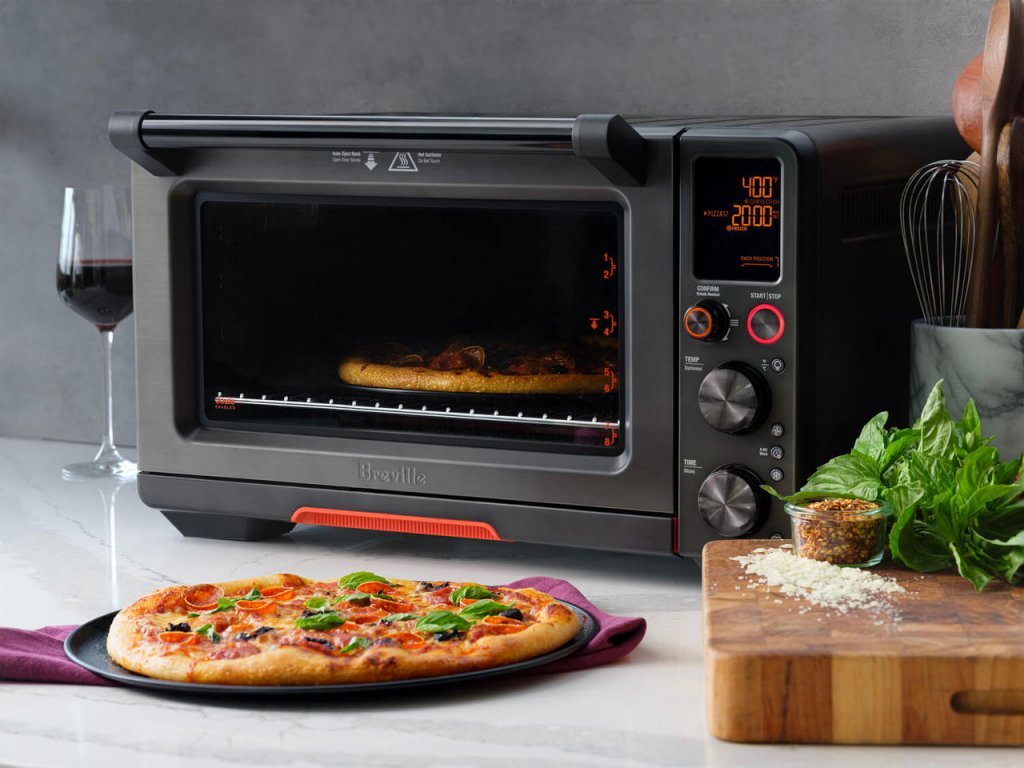
Do you ever find yourself standing in the kitchen, staring at your convection oven, and wondering if you need special cookware to make the most of it? You’re not alone.
With so many types of pots, pans, and baking sheets out there, it’s easy to feel overwhelmed. But what if I told you that choosing the right cookware could transform your cooking experience? Imagine baking a perfectly golden cake or roasting veggies to crispy perfection, all thanks to using the right tools.
Intrigued? Keep reading to uncover the secrets of selecting cookware that will elevate your convection oven game and make your culinary creations shine.
Convection Oven Basics
Convection ovens use a fan to blow hot air around. This helps cook food evenly. The fan makes heat move fast. This means food cooks quicker. You get crispy and brown food too. No more cold spots or uneven cooking. The fan stops food from burning on one side. Air moves all around the food. This helps in making the food delicious.
Convection ovens save time. They cook food faster than regular ovens. You can also save energy with them. Less energy means lower bills. Food gets a nice crust with convection ovens. Meat, bread, and pastries turn out perfect. The heat spreads evenly, so all food parts cook well. You can bake, roast, and grill with ease. Cleaning is also simple. Fewer spills and splatters to worry about.
Types Of Cookware Suitable For Convection Ovens
Metal pans work well in convection ovens. They heat quickly and evenly. Aluminum and stainless steel are the best choices. Avoid pans with non-stick coatings. They might get damaged at high temperatures. Use shiny metal pans for baking cookies. They reflect heat for even baking. Dark pans can cause overbrowning.
Glass dishes are safe in convection ovens. They keep heat well. Ceramic dishes are also a good option. Both are ideal for casseroles and roasting. They may need longer cooking times. Glass and ceramic don’t react to food. This makes them great for acidic dishes. Avoid sudden temperature changes. Glass can break if exposed to rapid heat.
Silicone pans are flexible and non-stick. They are great for baking. Muffins and cupcakes come out easily. Silicone can handle high temperatures. It doesn’t warp or melt. It cools quickly after baking. Foods don’t stick to silicone. Cleaning is easy. Avoid using sharp tools on silicone. They can damage the surface.
Cookware To Avoid
Nonstick cookware might not be ideal for convection ovens. The high heat can damage the nonstick coating. This could lead to flakes mixing into your food. Yuck! Nonstick pans may not distribute heat evenly. This affects cooking results. It can cause burning at the edges. Using metal utensils can scratch the surface. Scratches make the coating wear out faster. Better to use stainless steel or cast iron. They handle heat well and last longer.
Plastic and melamine cookware are not suitable for convection ovens. Plastic melts easily in high temperatures. Melamine can also warp or melt. This can make food unsafe to eat. Convection ovens get very hot. Using heat-safe materials is important. Consider glass or ceramic. They withstand heat and keep food safe. Always check cookware labels. Make sure they are oven-safe.

Credit: shop.panasonic.com
Choosing The Right Cookware
Size matters when choosing cookware. It should fit the oven well. Too big or too small is not good. The shape is also important. Round pans work well in convection ovens. They allow air to flow freely. Square pans can block air and cause uneven cooking.
Weight of cookware can affect cooking. Heavy pots hold heat better. They cook food evenly. Thin cookware may heat up fast but can burn food. Choosing the right thickness is important. It helps in cooking food properly. A balance between weight and thickness is key.
Maintaining Cookware For Convection Ovens
Using mild soap and warm water is best for cleaning. Avoid harsh chemicals. These can damage your cookware. Dry thoroughly after washing. This prevents rust. Non-stick pans need special care. Do not use metal scrubbers. They can scratch surfaces. Use soft sponges instead. Check the manufacturer’s instructions. Each cookware has different needs.
Store cookware in a dry place. This stops rust. Stack pans carefully. Protect surfaces with paper towels. Hang pots if possible. This saves space. Avoid overcrowding. This prevents damage. Label shelves for easy access. Keep lids with the right pots. Organize by size. This makes cooking easier.
Common Myths About Convection Ovens
Convection ovens do not need special cookware. Any oven-safe dish works fine. Many think they need special pansor pots. This is not true. Your regular cookware is perfect. Glass, metal, and ceramic are all safe. Just avoid plastic. It may melt. Always check the cookware label. Make sure it is oven-safe.
Convection ovens are not just for baking. They cook many foods well. Roasting and grilling are easy with them. They help cook food evenly. The fan circulates hot air. This helps meat cook better. Even vegetables taste great. They are not just for cookies and cakes. Try different recipes. You will be surprised.
Tips For Optimal Cooking Results
Preheat the convection oven before cooking. Preheating ensures even cooking. Place the cookware inside only when preheated. This helps in achieving the desired results. It saves time and energy too. A well-preheated oven cooks food faster. Always check the oven’s temperature. Use an oven thermometer if needed. Follow these steps for better dishes.
Adjust cooking times and temperatures for convection ovens. They cook faster than regular ovens. Reduce the cooking time by about 25%. Lower the temperature by 25 degrees Fahrenheit. Keep an eye on your dish. Check for doneness early. This prevents overcooking. Follow recipes closely but make necessary adjustments. A little practice makes perfect. Enjoy delicious meals every time.

Credit: www.ebay.com

Credit: www.amazon.com
Frequently Asked Questions
Can You Use Regular Pans In A Convection Oven?
Yes, you can use regular pans in a convection oven. Convection ovens cook food evenly and faster. Ensure pans are oven-safe and suitable for the recipe. Metal pans work better than glass because they conduct heat more efficiently. Always follow the manufacturer’s instructions for optimal results.
What Should You Not Use In A Convection Oven?
Avoid using delicate materials like paper, cardboard, or thin plastic in convection ovens. Skip non-oven-safe dishes and cookware. Avoid heavily glazed cookware that can crack under heat. Keep food wrapped in foil sparingly, as it can hinder air circulation. Ensure all items are rated for oven use.
What Cookware Is Safe For A Convection Oven?
Use glass, ceramic, and metal cookware in convection ovens. Avoid plastic and paper materials. Choose oven-safe dishes. Ensure cookware fits properly and allows airflow. Using suitable cookware enhances cooking efficiency and safety in convection ovens.
Can You Use Aluminum Foil Pans In A Convection Oven?
Yes, you can use aluminum foil pans in a convection oven. They conduct heat well and cook food evenly. Ensure pans do not touch oven walls to allow proper air circulation for optimal cooking results. Avoid blocking airflow for efficient convection cooking.
Conclusion
Choosing the right cookware for your convection oven simplifies cooking. Regular metal pans work well. Avoid glass or ceramic. They can slow cooking times. Consider lightweight options. They heat faster. This saves energy and time. Non-stick pans are great. Easy to clean.
Convection ovens distribute heat evenly. So, no need for special cookware. Just ensure good heat conduction. Experiment with what you have. Find what works best. Cooking should be stress-free. Enjoy your meals with confidence. Your convection oven is versatile. Use it to its full potential.