
Have you ever wondered whether your beautiful ceramic cookware is safe to use on your sleek glass top stove? It’s a common question that might have crossed your mind while standing in your kitchen, contemplating your next culinary masterpiece.
You’re not alone. Many home cooks like you are keen on preserving the elegance of their cookware while ensuring the functionality of their modern stoves. Before you get caught up in the worry of scratches, heat distribution issues, or possible damage, let’s explore the compatibility of these two kitchen favorites.
Dive into this article to uncover the truth, dispel myths, and gain peace of mind with practical tips that will make your cooking experience both enjoyable and worry-free. Your kitchen deserves the best, and so do you.
Credit: madeincookware.com
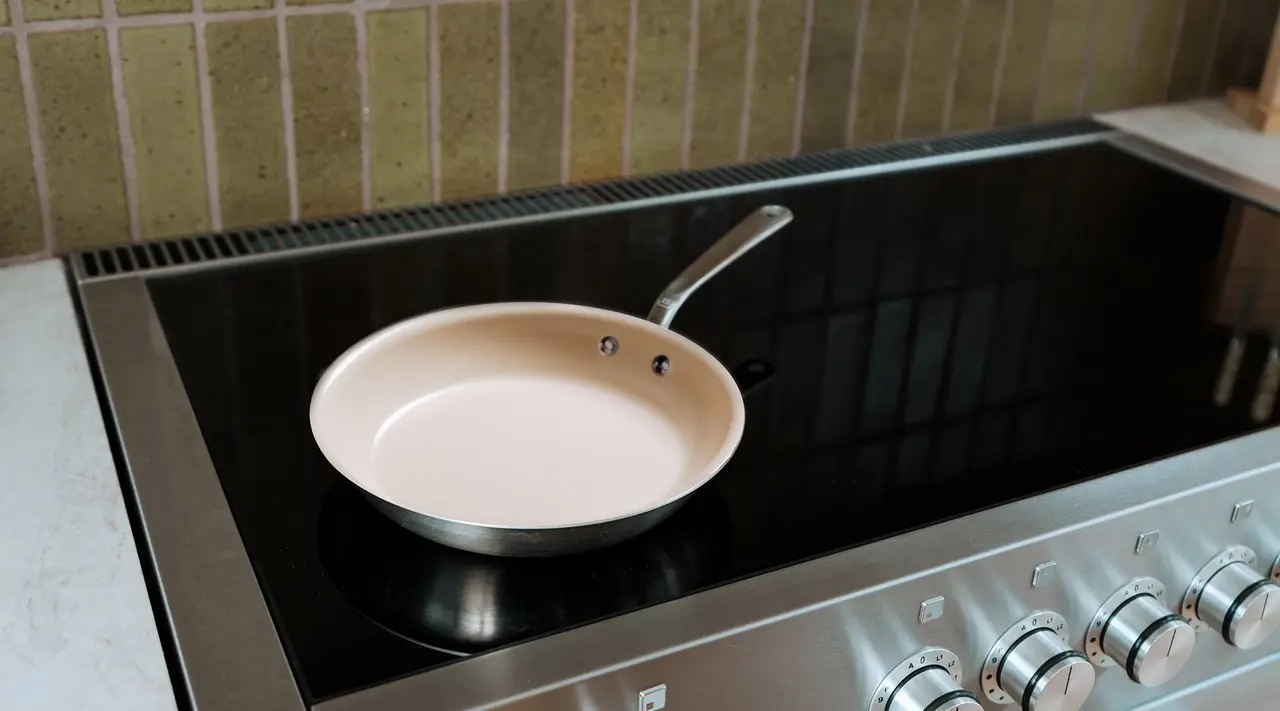
Ceramic Cookware Compatibility
Ceramic cookware works well with glass top stoves. The smooth surface of ceramic is gentleon the glass. It doesn’t scratch easily. This makes it a safe choice. Always use cookware with a flat bottom. It helps with even heat distribution. Uneven bottoms can cause cooking problems. They may also damage the glass top. Heavy ceramic pots are not ideal. They can crack the glass. Lightweight options are better. They reduce the risk of damage. Be careful when placing cookware on the stove. Avoid sliding it across the surface. Sliding can lead to scratches. Lift and place instead. This protects the glass surface.
Benefits Of Using Ceramic Cookware
Ceramic cookwareis made from natural materials. It does not contain harmful chemicals. This makes it safer for cooking. It is better for the environment too. Families can enjoy meals without worry. Ceramic is a good choice for health-conscious people.
Cleaning ceramic cookwareis very easy. Food does not stick. You can wash it quickly with soap and water. This saves time and effort. Many people like how simple it is. Busy parents find this helpful.
Ceramic cookwarelooks very nice. It comes in many colors. It can match your kitchen style. Ceramic can make your kitchen look pretty. Guests will admire your cookware. It adds beauty to cooking spaces.
Potential Risks And Concerns
Using ceramic cookware on a glass top stove may cause scratches and breakage. Careful handling is essential to prevent damage. Uneven heating could also be a concern, leading to inefficient cooking.
Scratching The Glass Surface
Glass top stoves look sleek but can scratch easily. Ceramic cookware may have rough bottoms. These can cause scratches on the glass. Sliding pans can also lead to damage. Always lift cookware when moving it. This prevents scratching the surface.
Thermal Shock Risks
Ceramic can break if exposed to quick temperature changes. Glass top stoves heat up fast. Sudden heat can crack ceramic cookware. Let the pan warm up slowly. This reduces the risk of thermal shock.
Weight Considerations
Heavy cookware can be a problem on glass stoves. Ceramic pots are often heavy. Excess weight may stress the glass and cause cracks. Choose lighter ceramic cookware for safety. Handle heavy pots with care. This keeps the stove safe from damage.
Credit: madeincookware.com
Tips For Safe Usage
Choose cookware with a flat bottom. It helps in even heat distribution. Avoid using pots that are too heavy. They can scratch the glass. Check for any chips or cracks. Damaged cookware can be unsafe. Use cookware that fits the stove’s burner size. It saves energy and cooks food evenly.
Lift cookware instead of dragging it. This prevents scratches. Be gentle when placing cookware on the stove. Sudden impacts can crack the glass. Use both hands to handle heavy pots. It gives you better control. Do not slide cookware across the glass top. Always lift and move.
Clean the stove after each use. Spills can burn and become hard to remove. Use a soft cloth for cleaning. Avoid abrasive pads. They can scratch the surface. Check the cookware regularly for any damage. Damaged cookware can cause accidents. Keep the stove dry to avoid stains.
Alternatives To Ceramic Cookware
Ceramic cookware is suitable for glass top stoves, ensuring even heat distribution and preventing scratches. Alternatives include stainless steel and cast iron cookware, offering durability and effective heat conduction. Each option provides unique benefits for cooking on glass surfaces.
Stainless Steel Options
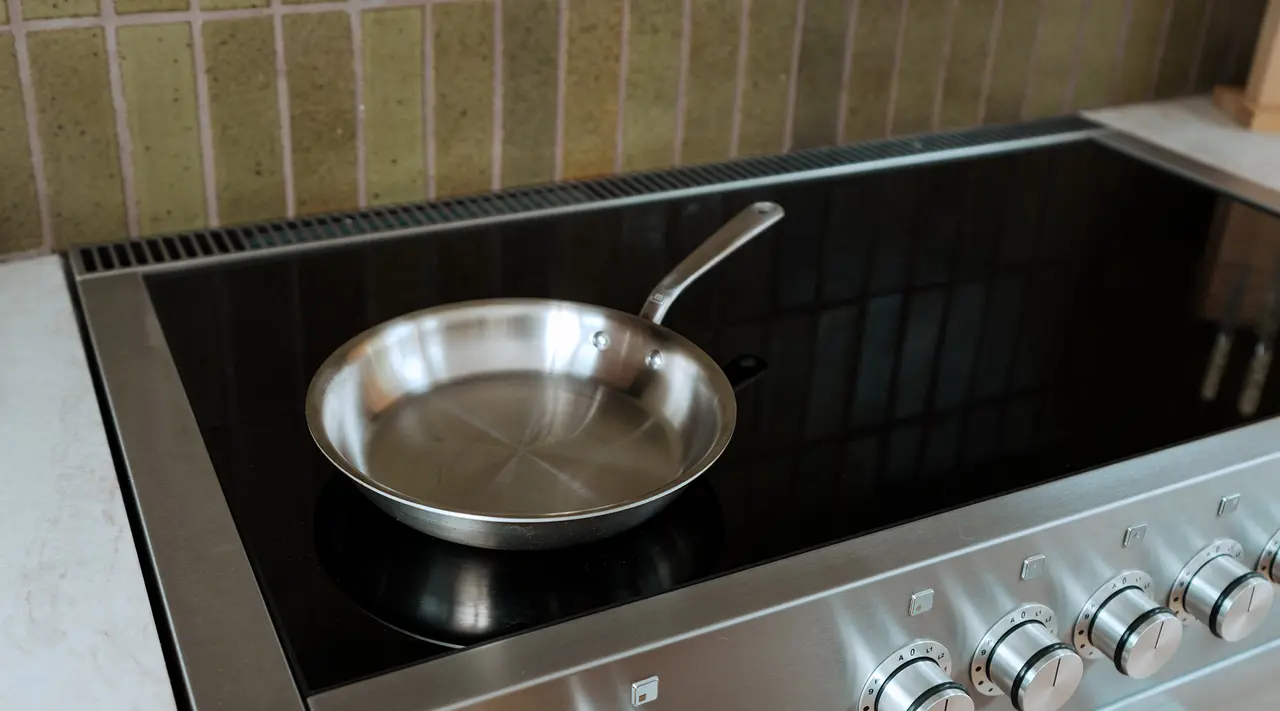
Stainless steelis a popular choice for glass top stoves. It is durableand resistantto scratches. It heats up quickly and evenly. This means cooking is fast and easy. Look for flat-bottomed pans. They work best on glass tops. Be careful with your pots. Don’t slide them across the stove. This helps keep your glass top safe.
Cast Iron Considerations
Cast ironis another option. It is heavyand can be tough to manage. It holds heat for a long time. This is great for slow cooking. Make sure your cast iron has a smooth bottom. Rough surfaces can scratch the glass. Lift it gently to avoid damage. Keep your cast iron clean and oiled. It lasts longer and cooks better.
Glass Cookware Choices
Glass cookwareis perfect for glass stoves. They match the look and style. Glass heats evenly and cooks food well. It is easy to clean. Avoid using chipped or cracked glass pots. They might break on the stove. Use pots with flat bottoms. This helps them heat evenly. Check your glass for wear and tear often. Replace if needed.
Credit: www.goodhousekeeping.com
Expert Opinions And Reviews
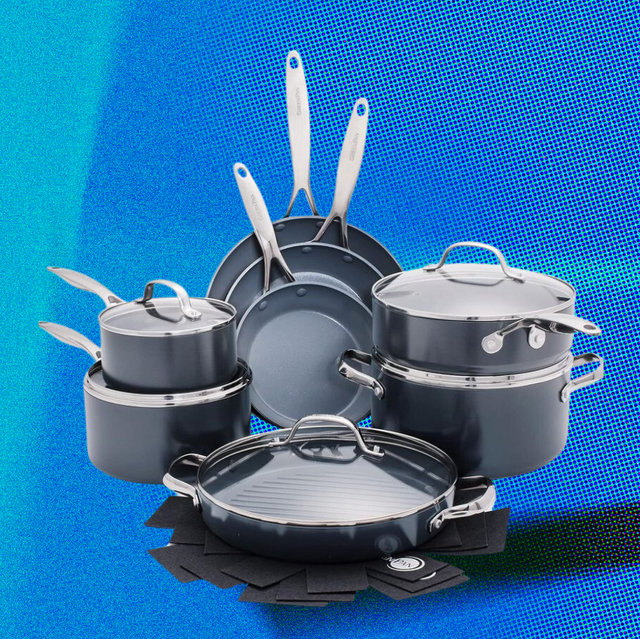
Ceramic cookware is safe for glass top stoves, offering even heat distribution and a sleek appearance. Expert reviews highlight its gentle surface, minimizing scratches and preserving stove integrity. Users appreciate its compatibility, noting its efficient cooking performance without damaging delicate stove surfaces.
Insights From Professional Chefs
Many chefs say ceramic cookware is safe for glass stoves. They like how it heats evenly. Chefs often use ceramic for delicate dishes. It’s gentle on the stove surface. Ceramic pots and pans are light. This makes them easy to handle. Chefs suggest not sliding them. Sliding can scratch the glass top.
Consumer Feedback
Users love ceramic cookware for glass stoves. They find it easy to clean. Many notice food doesn’t stick much. They also like how it looks. Some mention it heats slowly. But once hot, it stays warm. Others say it chips if dropped. So, they handle it with care. Consumers suggest following the care tips on the box.
Frequently Asked Questions
What Pans Should Not Be Used On A Glass Top Stove?
Avoid using cast iron, stoneware, and glass pans on glass top stoves. They can scratch or damage the surface. Use flat-bottomed, smooth cookware made of stainless steel, aluminum, or ceramic for best results. Ensure the pans are clean and dry to prevent scratches and maintain efficiency.
What Type Of Cookware Is Best For Glass Top Stoves?
Choose cookware with flat bottoms for glass top stoves. Use stainless steel or titanium for durability. Avoid cast iron, which may scratch. Ensure even heat distribution with aluminum or copper cores. Select lightweight options for easy handling. Always lift, not slide, to protect the surface.
What Is The Best Thing To Use On A Glass Top Stove?
Use a soft, non-abrasive cloth or sponge for cleaning a glass top stove. Opt for a gentle cleaner specifically designed for glass surfaces to avoid scratches. Regular cleaning ensures the stove remains pristine and efficient. Avoid harsh chemicals and abrasive pads to maintain the stove’s appearance and functionality.
What Pans Are Best For Glass Cooktops Won’t Scratch?
Use pans made of stainless steel, aluminum, or titanium for glass cooktops. These materials prevent scratching. Ensure the pans have a smooth, flat bottom for even heat distribution. Avoid using cast iron, stoneware, or ceramic, as they can scratch the surface easily.
Always lift, never slide pans on the cooktop.
Conclusion
Ceramic cookware works well on glass top stoves. It’s safe and efficient. This combination offers even heat distribution. Cooking becomes smooth and enjoyable. Always lift, not slide, the cookware. This prevents scratches on the glass. Use the right size of pots and pans.
They should match the burner size. Regular cleaning of both cookware and stove is important. This helps maintain their condition. Choose quality ceramic cookware for the best results. Your kitchen experience can be hassle-free and delightful. Enjoy cooking with confidence and ease.