
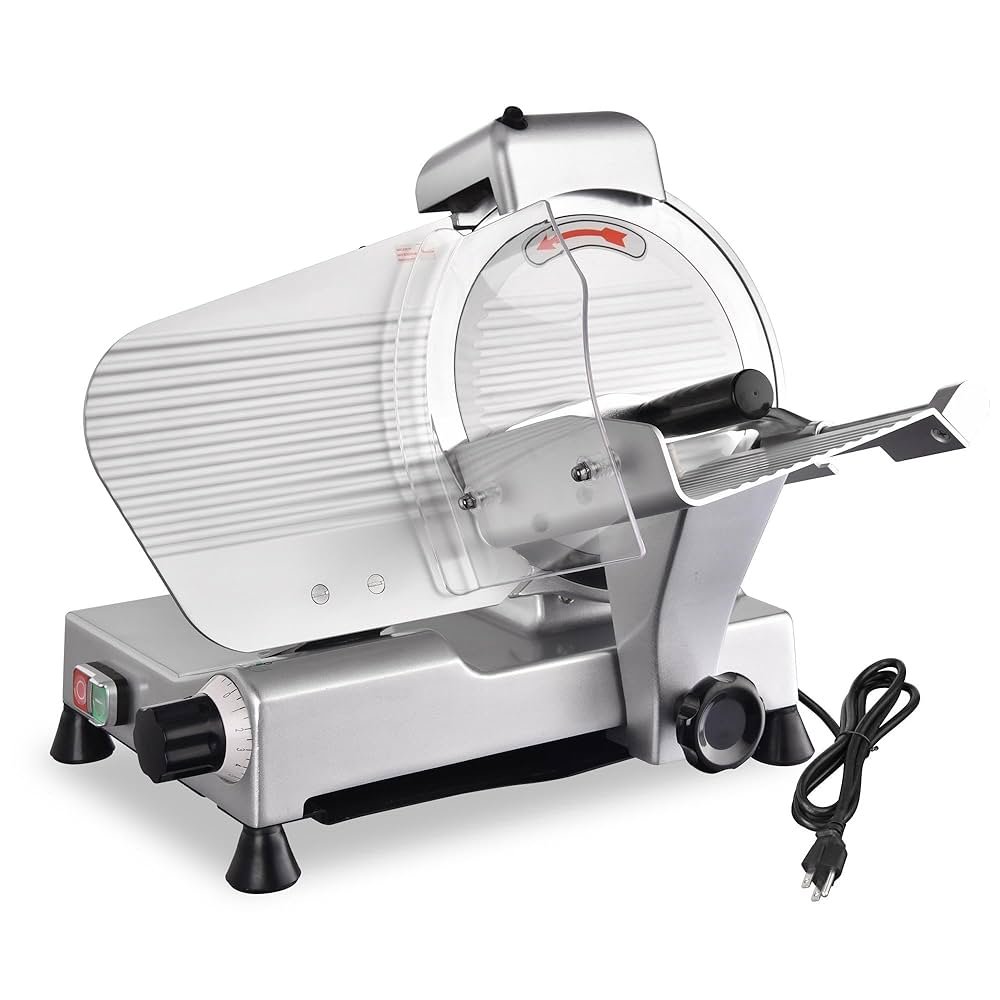
Are you tired of struggling with your electric slicer when you just want to prepare a quick meal? You’re not alone.
Many people face common problems that turn a simple slicing task into a frustrating experience. From uneven cuts to motor issues, these challenges can slow you down and leave you wondering if the slicer is even worth it. You’ll discover the most frequent issues users encounter and learn how to fix or avoid them.
Keep reading to make sure your electric slicer works smoothly every time you use it.

Credit: www.amazon.ca
Blade Won’t Spin
Check the power supplyfirst. Make sure the slicer is plugged in properly. Confirm the outlet works by testing with another device. A loose connection can stop the blade from spinning.
Inspect the motor function. Listen for humming sounds or signs of the motor trying to start. If silent, the motor might be faulty or disconnected. Sometimes motors need repair or replacement.
Clear any blade obstructions. Food bits or debris can block the blade. Turn off and unplug the slicer before cleaning. Remove any stuck pieces carefully to avoid damage or injury.

Credit: www.amazon.ca
Uneven Slices
Electric slicers have thickness settings. Check these settings first. Make sure they are correct. A wrong setting causes uneven slices. Adjust the dial or knob carefully. Test with a small piece of food. This helps find the right thickness.
A dull bladeis a common problem. It makes cutting hard. Check the blade’s sharpness often. If dull, sharpen it. Use a proper tool for this. Sometimes, sharpening is not enough. Then, replace the blade with a new one.
Food should be placed correctlyon the slicer. Put it straight and firm. This helps in getting even slices. Hold the food steady while slicing. Use the slicer’s guide for better placement. Proper placement avoids uneven cuts and makes slicing smooth.
Excessive Noise
Excessive noise in electric slicers often comes from friction or loose parts. Lubricating moving partsreduces friction and noise. Use the right oil or grease for smooth operation.
Tightening loose componentsstops rattling sounds. Check screws, bolts, and fasteners regularly.
Replacing worn bearingscan fix grinding noises. Bearings wear out over time and cause loud sounds. New bearings help slicers run quietly and smoothly.
Slicer Overheating
Electric slicers can get very hot after long use. To avoid damage, limit continuous useto short periods. This helps the machine cool down between uses.
Clean cooling ventsregularly. Dust and food bits block airflow. This makes the slicer work harder and heat up faster. Use a soft brush or cloth to keep vents clear.
| Check Motor Load | Why It Matters |
|---|---|
| Ensure blade is sharp | Dull blades make the motor work too hard, causing overheating. |
| Do not slice very thick pieces | Thick pieces put extra strain on the motor, raising temperature. |
| Use correct slicing speed | Too fast or slow speeds can cause motor stress and heat. |
Safety Mechanism Issues
Test safety switches to ensure the slicer stops when opened. Faulty switches can cause accidents or machine damage. Replace any guards that are cracked or missing. These guards protect fingers from the blade during use. Make sure all parts are assembled correctly. Loose or wrong assembly can stop safety features from working. Regular checks keep the slicer safe and reliable.

Credit: www.amazon.ca
Power Interruptions
Check the power cordfor any visible damage or loose connections. A damaged cord can cause the slicer to lose power unexpectedly. Make sure the cord is firmly plugged into the slicer and the wall outlet.
Test the outletby plugging in another device to see if it works. Sometimes, the outlet may be faulty or not providing power. Try using a different outlet if possible.
Look at your home’s circuit breakers. Sometimes, a breaker may trip and cut power to the outlet. Reset the breaker by switching it off and then on again. This can restore power to your slicer.
Difficult Blade Removal
Use the correct toolsto remove the blade safely. This helps avoid damage to the slicer and your hands.
Follow the manufacturer’s stepsexactly. Manuals often show the safest way to remove the blade.
Clean the blade mounting arearegularly. Dirt or food bits can make blade removal hard.
- Wear gloves for safety.
- Turn off and unplug the slicer.
- Loosen screws or bolts carefully.
- Lift the blade straight out to avoid bending.
- Store the blade safely after removal.
Cleaning Challenges
Disassemble the electric slicer carefully to avoid damage. Always unplug the device before cleaning. Remove blades and trays with care. Use mild soap or dish detergent for cleaning. Avoid harsh chemicals that can harm the slicer parts. Clean blades separately using a soft brush or cloth. Wipe the main body with a damp cloth only. Ensure all parts are completely dry before putting them back. Moisture can cause rust or electrical issues. Take your time to reassemble each piece correctly. Proper cleaning keeps the slicer safe and working well.
Frequently Asked Questions
What Causes Electric Slicers To Jam Frequently?
Electric slicers jam mainly due to improper food placement or dull blades. Overloading or using tough items can cause blockages. Regular cleaning and blade maintenance reduce jamming issues effectively.
Why Do Electric Slicers Produce Uneven Slices?
Uneven slices often result from a dull or misaligned blade. Using inconsistent pressure or incorrect settings also affects slice uniformity. Regular blade sharpening and proper adjustment ensure consistent slicing.
How Can I Prevent Electric Slicer Motor Overheating?
Motor overheating happens if the slicer runs continuously for long periods. Overloading or insufficient lubrication can also cause heat buildup. Allowing breaks and following the manufacturer’s usage guidelines prevent overheating.
What Safety Features Are Common In Electric Slicers?
Most electric slicers include blade guards, safety locks, and non-slip feet. These features protect users from accidental cuts and ensure stable operation. Always follow safety instructions when operating the slicer.
Conclusion
Electric slicers can face common issues like dull blades and motor problems. Regular cleaning keeps the slicer working well. Sharp blades make slicing easier and safer. Always check the power cord for damage. Proper use extends the slicer’s life. Small problems can stop your kitchen work fast.
Understanding these issues helps you fix them quickly. Keep your slicer in good shape for better meals. Simple care prevents most electric slicer troubles. Stay aware and enjoy smooth slicing every time.