
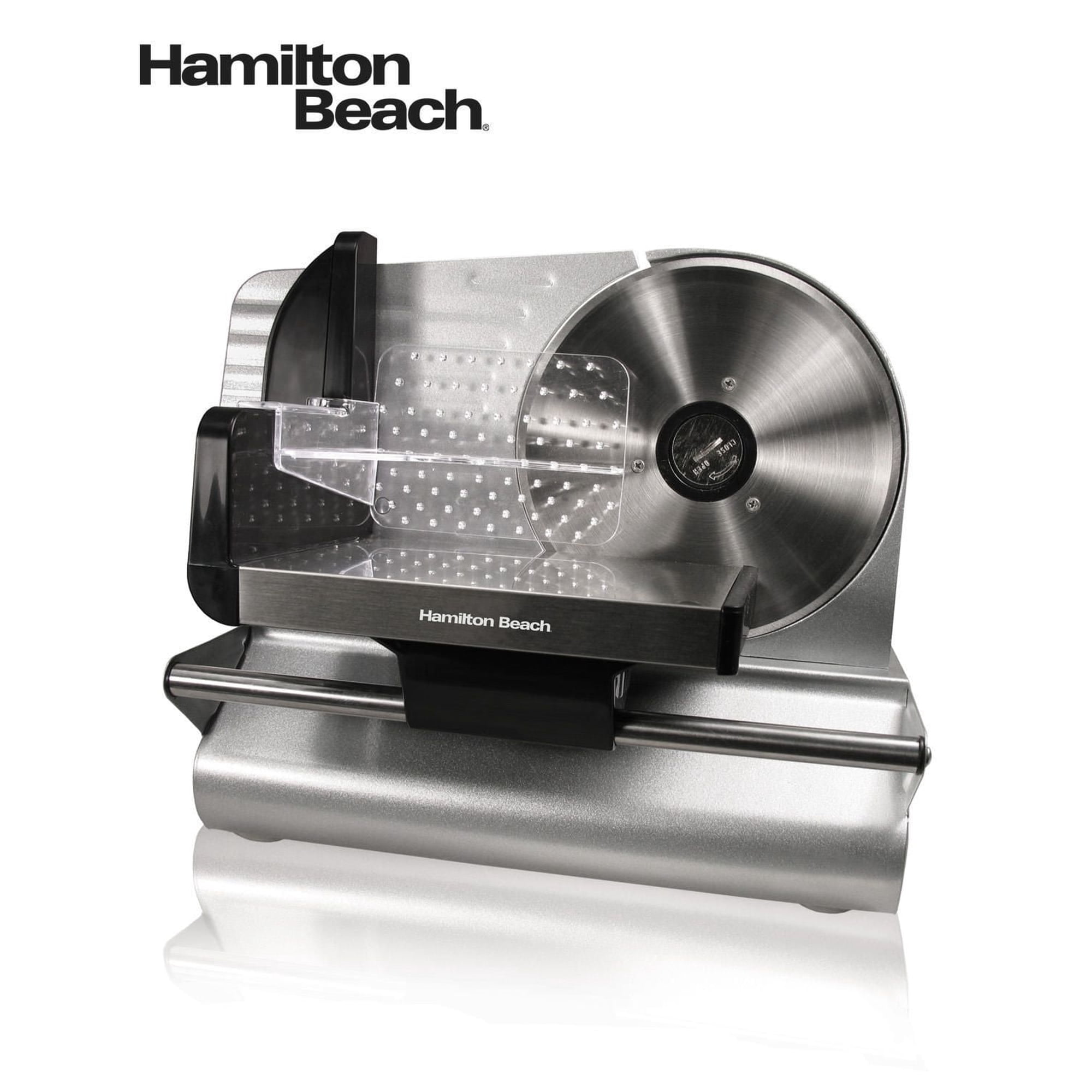
If you own a Hamilton Beach slicer, you know how important it is to keep it running smoothly. Over time, the blade can become stiff or noisy, making your slicing tasks harder than they should be.
But here’s the good news: with the right lubrication, you can restore your slicer’s performance quickly and easily. In this guide, you’ll learn exactly how to lubricate your Hamilton Beach slicer blade step-by-step. Keep reading to make sure your slicer stays sharp, efficient, and safe every time you use it.
Credit: www.walmart.ca
Preparing The Slicer Blade
Gathering the right tools makes lubricating easy and safe. You need a clean clothto wipe the blade. Use food-safe lubricantto avoid harm. Have a screwdriverhandy if you must remove the blade. Keep a pair of glovesto protect your hands.
Safety is very important. Always unplugthe slicer before starting. Do not touch the blade with bare hands to avoid cuts. Work in a well-litarea so you see clearly. Keep children and pets away while working.
Cleaning The Blade
Food bits can stick to the blade after use. Gently wipe the blade with a soft cloth or brush. Use warm, soapy water to remove stubborn pieces. Avoid using sharp tools to prevent damage.
After cleaning, dry the blade well. Use a clean towel or air dry it completely. Moisture can cause rust and reduce blade life. Proper drying keeps the blade sharp and safe.
Choosing The Right Lubricant
Choosing a lubricant that is food-safe and non-toxic ensures safe use on Hamilton Beach slicer blades. Light machine oil works well to keep the blade smooth and rust-free. Avoid heavy or sticky oils that may attract dirt or harm food quality.
Food-safe Lubricants
Always use food-safe lubricantsfor slicer blades. These lubricants are safe for food contact. They help keep your slicer working smoothly. Look for lubricants labeled “food-grade”. These are tested for safety and effectiveness. They protect your slicer from rust. They also make cleaning easier.
Avoiding Harmful Oils
Avoid using regular oils for slicer blades. These can be harmful. They might mix with food, making it unsafe. Non-food oils can leave a residue. This residue can affect food taste. Always check the label before using any oil. Ensure it’s safe for food contact.

Credit: www.amazon.ca
Applying Lubricant To The Blade
Before applying lubricant, unplug the slicer for safety. Clean the blade using a soft cloth to remove food bits. Use a food-safe lubricant designed for kitchen tools. Apply a small amount to the blade’s edge. Spread it evenly using a clean cloth or paper towel. Avoid over-lubricating; too much oil can attract dust and dirt. Rotate the blade by hand gently to help spread the lubricant all around. Wipe off any excess to keep the slicer clean. Repeat this process regularly to keep the blade sharp and working smoothly.
Ensuring even coverage is key. Pay special attention to the blade’s moving parts. Lubricant should reach all contact points to reduce friction. Check for any spots missed and apply more if needed. This care helps the slicer last longer and cut better.
Reassembling The Slicer
Place the blade carefully back onto the slicer base. Make sure it fits tightly and does not wobble.
Align the blade with the slots or guides on the slicer to ensure proper blade placement. This helps the slicer work smoothly and safely.
Check all parts before securing. This avoids damage and keeps the slicer safe to use.
- Secure the blade by tightening the screws or locks firmly but gently.
- Make sure no parts are loose or missing.
- Test the slicer by turning it on briefly to confirm smooth operation.
Properly securing all components keeps the blade stable and prevents accidents.
Credit: www.canadiantire.ca
Maintaining Your Slicer Blade
To keep the Hamilton Beach slicer bladeworking well, regular lubrication is key. Clean the blade before applying lubricant. Use a food-safe lubricant designed for kitchen tools. Apply a small amount on the blade’s moving parts. Wipe off any extra lubricant to avoid food contact.
Set a lubrication scheduleto maintain smooth slicing. For frequent use, lubricate once a week. For less use, every two to three weeks is enough. Keep a note of lubrication dates for easy tracking.
- Dull slicingmeans blade needs lubrication.
- Noise or frictionduring slicing signals lubrication time.
- Visible drynessor rust on blade parts.
- Blade sticking or not moving smoothly.
Frequently Asked Questions
How Often Should I Lubricate Hamilton Beach Slicer Blade?
Lubricate the blade every 3 to 6 months for optimal performance. Frequent use may require more regular lubrication to maintain smooth operation and prevent rust or wear.
What Type Of Lubricant Is Best For Slicer Blades?
Use food-safe mineral oil or silicone-based lubricants specifically made for kitchen appliances. Avoid WD-40 or automotive oils as they may be toxic and damage the blade.
Can I Lubricate The Blade Without Disassembling The Slicer?
It’s best to disassemble the blade for thorough lubrication. This ensures all moving parts are properly oiled and prevents buildup that affects slicing quality.
How Do I Clean The Blade Before Lubrication?
Remove food debris using warm water and mild soap. Dry the blade completely before applying lubricant to prevent rust and ensure better absorption.
Conclusion
Keeping your Hamilton Beach slicer blade well-lubricated helps it cut smoothly and last longer. Apply a small amount of food-safe oil regularly to avoid rust and wear. Clean the blade before and after each use to remove food bits. This simple care keeps your slicer working well and safe to use.
A sharp, well-oiled blade saves time and effort in the kitchen. Remember, regular maintenance means better performance every time you slice. Simple steps, big difference.