

If you own a home meat slicer, you already know how handy it is for slicing meats, cheeses, and more with perfect precision. But have you ever stopped to think about how to keep it working like new?
Without proper care, your slicer can become dull, unsafe, or even break down. You’ll discover simple and effective ways to maintain your home meat slicer. By following these easy tips, you’ll save time, avoid costly repairs, and enjoy fresh, evenly sliced meals every time.
Keep reading to learn how to protect your investment and make your slicer last longer.
Choosing The Right Meat Slicer
Manual meat slicersare simple and easy to use. They need hand power, so they work well for small jobs. Electric slicerssave time and effort. They are best for frequent or large slicing tasks.
| Blade Type | Best For | Common Sizes |
|---|---|---|
| Serrated | Firm meats and bread | 7-10 inches |
| Smooth | Delicate slices like ham | 8-12 inches |
| Adjustable | Various meat types | 7-14 inches |
- Blade guardprotects fingers from cuts.
- Non-slip feetkeep the slicer steady.
- Safety switchstops the blade quickly.
- Easy cleaningparts reduce risk of bacteria.

Credit: www.vevor.ca
Daily Cleaning Routine
Clean the slicer blade after each use to prevent buildup and ensure safety. Wipe down all parts with warm, soapy water and dry thoroughly to avoid rust. Regular maintenance keeps the slicer sharp and ready for daily use.
Disassembling The Slicer
Always unplug the slicer first. Carefully remove the blade guard. Take off the blade and other parts. Handle the blade with care. It is very sharp.
Cleaning The Blade And Components
Use warm, soapy water to wash the blade. Scrub gently with a soft brush. Rinse all parts thoroughly. Make sure there is no soap left. Dry each piece completely before reassembling.
Sanitizing For Food Safety
Mix a solution of one part vinegar and one part water. Wipe down all surfaces with the solution. This kills any leftover germs. Allow all parts to air dry. Ensure everything is dry before using the slicer again.
Blade Maintenance
Sharpening the bladekeeps the slicer working well. Use a sharpening stone or tool made for meat slicers. Always follow the blade’s edge. Move the sharpener slowly and evenly. Repeat a few times for a sharp edge. Clean the blade after sharpening to remove metal bits.
Replace the blade if it becomes dull even after sharpening. Look for chips, cracks, or warping on the blade. A damaged blade can cut unevenly and be unsafe. Changing the blade on time keeps meat slices clean and smooth.
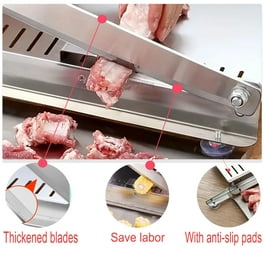
To avoid blade damage, never slice bones or frozen meat. Use the slicer only for soft, thawed meat. Clean the blade gently with a soft cloth and mild detergent. Avoid dropping or banging the slicer. Store the slicer in a dry place to prevent rust.
Credit: www.walmart.com
Lubrication And Mechanical Care
Keeping your meat slicer working well needs regular lubrication. Use food-safe oil on all moving partsto stop friction. This helps the machine run smoothly and last longer.
Check all parts for signs of wear and tear. Look for cracks, rust, or dull blades. Worn parts can cause poor slicingand might be unsafe.
- Inspect screws and bolts often.
- Tighten any that feel loose.
- Loose screws can lead to machine damage.
- Keep everything firmly in place for safe use.
Proper Storage Practices
Place the meat slicer in a dry, cool spot away from direct sunlight. Use a cover to protect it from dust and dirt. This keeps the slicer clean and ready to use.
Keep moisture away to stop rust and damage. Wipe the slicer dry before storing it. Avoid storing it near sinks or wet areas.
- Choose a flat, stable surface for placement.
- Cover with a cloth or plastic cover after cleaning.
- Store in a dry area to prevent rust.
- Keep away from food splashes and spills.
Troubleshooting Common Issues
Uneven slicesoften mean the blade is dull or dirty. Clean the blade carefully and sharpen it regularly. Check if the meat is placed evenly on the carriage. Adjust the thickness control to get uniform slices every time. Tighten any loose parts to avoid wobbling during slicing.
Motor problemscan cause the slicer to stop or run slowly. Make sure the slicer is plugged in properly. Check the power switch and the fuse. Overheating may happen if used for too long. Let the motor cool down before using again. If the motor still fails, a professional check is needed.
Noise and vibrationshappen if parts are loose or worn out. Tighten screws and bolts regularly. Clean and lubricate moving parts to reduce friction. Make sure the slicer is on a stable surface. Replace any broken or bent components to keep the slicer quiet and steady.
Safety Tips During Maintenance
Always wear protective glovesand goggles during maintenance. These protect against sharp edges and debris. Use a cut-resistant glovefor extra safety. Avoid loose clothing or jewelry that can get caught.
Ensure the meat slicer is unpluggedbefore starting any work. This stops accidental turning on. Check the power cord for damage. Never plug it in while cleaning or fixing blades.
Handle blades with great care. Blades are very sharp and can cut easily. Use a cloth or blade guard when touching blades. Avoid direct hand contact to prevent injuries.

Credit: www.vevor.ca
Frequently Asked Questions
How Often Should I Clean My Home Meat Slicer?
Clean your meat slicer after every use to prevent bacteria buildup. Use warm, soapy water and a soft cloth. Disassemble removable parts for thorough cleaning. Dry completely before reassembling to avoid rust and maintain hygiene.
What Is The Best Way To Sharpen The Slicer Blade?
Use a sharpening stone or built-in sharpener regularly. Follow the manufacturer’s instructions for angle and pressure. Sharpening keeps slices even and safe. Always clean the blade after sharpening to remove metal debris.
How Do I Lubricate A Meat Slicer Safely?
Apply food-grade lubricant to moving parts only. Avoid the blade and food contact areas. Lubrication reduces friction and wear, ensuring smooth operation. Check your slicer manual for specific lubrication points and frequency.
Can I Use Household Cleaners On My Meat Slicer?
Avoid harsh chemicals or abrasive cleaners. Use mild detergent and warm water for cleaning. Harsh cleaners can damage the slicer’s surface and contaminate food. Always rinse thoroughly and dry after cleaning.
Conclusion
Keeping your home meat slicer clean and sharp ensures safe use. Regular care stops rust and keeps blades cutting smoothly. Always unplug the slicer before cleaning or adjusting parts. Use warm water and mild soap to wash surfaces gently. Dry every piece fully to avoid moisture damage.
Check blade sharpness often to maintain thin, even slices. Small efforts add up to longer machine life. A well-kept slicer makes meal prep easier and safer. Simple steps keep your kitchen tool working like new.