
Are your blades feeling dull and struggling to cut through tasks like they used to? You don’t have to replace them just yet.
With the right blade sharpening kit, you can bring back that sharp edge quickly and easily. Imagine slicing through your work with precision and confidence every time. In this guide, you’ll discover simple, step-by-step instructions to sharpen your blades like a pro.
Ready to save time, money, and frustration? Let’s get started and make your blades as sharp as new.

Credit: tsprof.us
Choosing The Right Blade Sharpening Kit
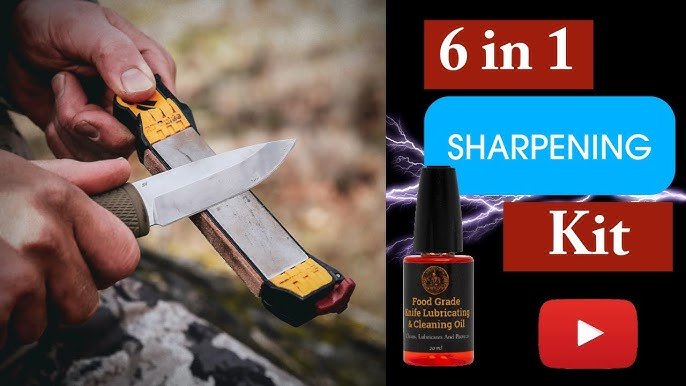
Blade sharpening kits come in different types. Some use stones, others use rods or electric tools. Each type suits different blades and skill levels. Basic kits often include a few sharpening stones of varying grit. Advanced kits may have guides to keep the blade angle steady.
Essential tools in a kit include:
- Sharpening stonesfor grinding and smoothing edges.
- Angle guidesto keep the blade steady and sharp.
- Honing rodsfor quick edge touch-ups.
- Cleaning clothsto wipe off residue after sharpening.
Different blades need different kits. For example, kitchen knives require fine grit stones. Outdoor knives and axes need coarser grit stones. Electric kits work well for quick sharpening but may remove more metal. Match the kit to the blade type for best results.

Credit: www.youtube.com
Preparing Your Blade For Sharpening
Ensure the blade is clean and dry before sharpening. Remove any dirt or rust for better results. Secure the blade firmly to avoid slipping during sharpening.
Cleaning The Blade
Start by wiping the blade with a clean cloth. Remove all dirt and grime. Use soapy water for tough spots. Rinse and dry the blade completely. This prevents rusting and ensures a smooth sharpening.
Inspecting For Damage
Look closely at the blade for any chips or cracks. A damaged blade may not sharpen well. If you see major damage, it might need replacing. Small nicks can often be smoothed out.
Safety Precautions
- Always wear gloves to protect your hands.
- Keep fingers away from the blade edge.
- Use a stable surface to avoid slipping.
- Ensure the sharpening kit is in good condition.
Setting Up The Sharpening Station
Choose a stable surfacelike a sturdy table or workbench. It must not wobble or shake. This helps keep the blade steady and safe.
Keep all tools and accessoriesclose by. This includes the sharpening stones, clamps, and oil. Organize them neatly to avoid losing small parts.
Good lightingis very important. Use bright, natural light if possible. A well-lit area helps see the blade edge clearly for better sharpening.
Step-by-step Sharpening Process
Choosing the correct angleis key for sharp blades. Most blades need a 20-degree angle. Keep this angle steady while sharpening. It helps the blade edge become sharp and last longer.
Start with coarse gritto fix dull or damaged edges. Then, move to medium gritto smooth the edge. Finish with fine gritto make the blade very sharp and smooth.
Maintaining consistent strokesis important. Use even pressure and move the blade in one direction. Keep the same angle and stroke length each time. This helps create a sharp and even edge.
Testing And Adjusting The Edge
Testing the blade’s sharpness is key. Use simple tests like slicing paper or shaving hair. If the blade cuts smoothly, it’s sharp enough. If it tears or drags, more sharpening is needed.
Fine-tuning the blade means making small adjustments. Use light strokes with your sharpening tool. Check the edge often to avoid taking off too much metal.
- Avoid over-sharpeningto keep the blade strong and long-lasting.
- Too much sharpening can make the edge thin and weak.
- Stop sharpening when the blade feels smooth and cuts well.
Maintaining Your Sharpening Kit
Keep your blade sharpening kit cleanby wiping it with a dry cloth after use. Avoid water or harsh chemicals that may damage parts. Store the kit in a dry placeaway from dust and moisture to prevent rust and corrosion.
Check all components often for wear and tear. Replace worn-out parts like stones or rods to keep the kit working well. Using damaged tools can harm your blades and reduce sharpening quality.
Extend the kit’s life by handling it gently and keeping it clean. Regular maintenance ensures your kit stays reliable for many sharpening sessions.
Troubleshooting Common Issues
Uneven sharpening resultshappen when the blade is not held steady. Keep a consistent angle during sharpening. Use slow, smooth strokes. Check the blade often to see progress. Uneven pressure causes different sharpness levels.
Blade damage during sharpeningcan occur from using too much force or a wrong angle. Avoid pressing hard. Use the right grit stone or sharpener for your blade type. Clean the blade before sharpening to remove dirt and rust. Stop if you see chips or scratches.
Handling difficult bladeslike serrated or very thin blades requires care. Use special sharpeners made for serrations. Sharpen each tooth gently. For thin blades, use light strokes and keep the angle steady. Avoid over-sharpening to keep blade strength.

Credit: www.youtube.com
Frequently Asked Questions
What Is A Blade Sharpening Kit Used For?
A blade sharpening kit restores sharpness to dull knives and tools. It improves cutting efficiency and safety during use. The kit usually includes stones or rods to refine the blade edge.
How Do I Prepare My Blade Before Sharpening?
Clean the blade to remove dirt and debris. Dry it thoroughly to avoid rust. Inspect for damage and secure the blade properly before sharpening.
What Is The Correct Angle For Sharpening Blades?
Most blades sharpen best between 15 to 20 degrees. Maintaining a consistent angle ensures an even edge. Use guides or angle tools included in the kit if available.
How Often Should I Sharpen My Blades?
Sharpen blades when you notice dullness or poor cutting performance. Frequent use may require sharpening every few weeks. Proper maintenance extends blade life and effectiveness.
Conclusion
Using a blade sharpening kit keeps your tools sharp and safe. Follow each step carefully for the best results. Regular sharpening helps blades cut smoothly and last longer. Take your time and practice to improve your skill. Clean your blades after sharpening to remove metal dust.
A sharp blade makes work easier and more precise. Keep your kit in a dry place to avoid rust. Sharpening blades yourself saves money and gives good satisfaction. Try it today and see the difference sharp tools make.