

You know how tough it can be to clean your slicer after heavy use. Leftover food, grease, and tiny bits stuck in hard-to-reach places can make the task feel overwhelming.
But what if cleaning your slicer didn’t have to be a hassle? Imagine having a simple, step-by-step method that saves you time and keeps your slicer spotless and safe to use. You’ll discover easy tips and tricks to clean your slicer thoroughly and quickly—so you can get back to cooking without stress.
Ready to make cleaning your slicer easier than ever? Let’s dive in.
Prepare The Slicer
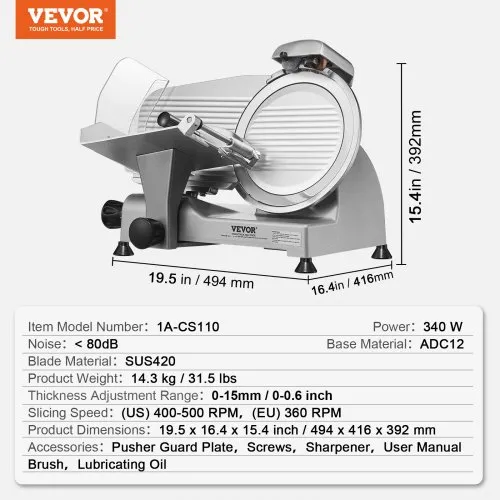
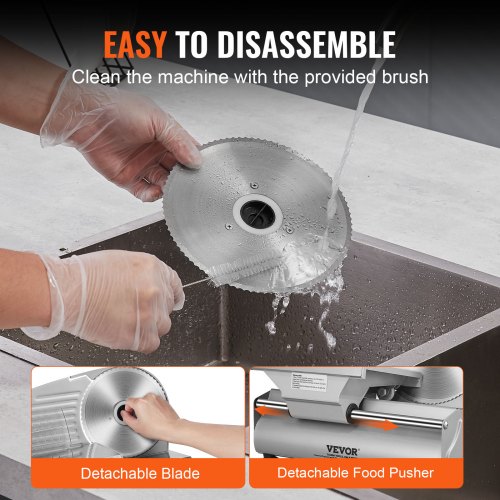
Unplugthe slicer before starting to clean. Safety first. Carefully disassemblethe parts you can remove. This includes the blade, food carriage, and food pusher. Keep track of small pieces to avoid losing them.
Use a soft brush or cloth to remove excess food debrisfrom each part. Pay special attention to corners and crevices where food can hide. This stops buildup and makes deep cleaning easier.
- Unplug the slicer to ensure safety.
- Remove blade, carriage, and pusher gently.
- Brush off food crumbs and bits carefully.
- Check hidden spots for stuck food.
Credit: www.vevor.ca
Clean The Blade
Fill a basin with warm, soapy water. Remove the blade from the slicer. Dip a sponge into the soapy water. Gently scrub the blade’s surface. Rinse the blade with clean water. Make sure all soap is gone.
Always hold the blade by its sides. Never touch the sharp edge. Use a towel to dry it. Be careful not to cut yourself. Store the blade in a safe place. Keep it away from children.
Clean The Body And Other Parts
Wipe down the slicer’s body using a clean, damp cloth. Avoid using harsh chemicals that can damage the surface. Focus on areas where food particles may stick. Dry the surfaces with a soft towel to prevent rust or water spots.
Remove all detachable parts like the blade, guard, and tray. Wash these parts in warm, soapy water. Use a brush to clean hard-to-reach spots. Rinse thoroughly to remove soap residue. Dry each part completely before reassembling.
Sanitize The Slicer
Cleaning the slicer thoroughly after heavy use prevents food buildup and keeps it safe. Use warm soapy water and a soft brush to remove all residue carefully. Dry the slicer completely to avoid rust and maintain its sharpness.
Choose A Food-safe Sanitizer
Pick a sanitizer that is safe for food contact surfaces. Look for products approved by food safety authorities. Avoid harsh chemicals that can leave harmful residues. Use sanitizers designed to kill bacteria and germs quickly.
Apply And Rinse Properly
Spray or wipe the sanitizer evenly over all slicer parts. Let it sit for the time stated on the label. This ensures effective germ killing. Rinse all surfaces well with clean water to remove sanitizer traces. Dry the slicer with a clean cloth before use.
Dry And Reassemble
After washing, let the slicer air drycompletely. This stops water spots and rust. Use a clean clothto wipe any moisture from tight spots or edges. Make sure every part is dry before putting it back together.
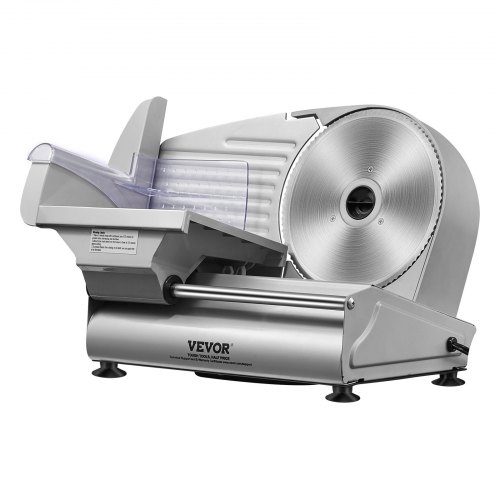
Reassemble the slicer with care. Match each piece to its place. Tighten screws just enough to hold parts firmly. Check the blade is secure and moves smoothly. Proper assembly keeps the slicer safe and ready for next use.
Credit: www.vevor.ca
Maintain For Longevity
Keeping a regular cleaning schedulehelps the slicer last longer. Clean the slicer after each heavy use to remove food bits and grease. Use warm water and mild soap to wipe down all parts. Always dry the slicer well to stop rust and damage. Check the blade and other parts for wear or damage regularly.
For blade sharpening, use a proper sharpening stone or tool. Sharpen the blade gently and evenly on both sides. Dull blades can cause poor cuts and are unsafe. Sharpen the blade every few uses or when you notice it cutting less well.
| Cleaning Tips | Blade Sharpening Tips |
|---|---|
| Clean after each heavy use | Use a sharpening stone |
| Use warm water and mild soap | Sharpen both sides evenly |
| Dry well to prevent rust | Sharpen regularly for best cuts |
| Check for wear and damage | Handle blade carefully for safety |
Credit: www.vevor.ca
Frequently Asked Questions
How Often Should I Clean My Slicer After Heavy Use?
Clean your slicer immediately after heavy use to prevent food buildup. Regular cleaning ensures safety, maintains blade sharpness, and avoids bacterial growth.
What Is The Best Way To Disassemble A Slicer?
Refer to the slicer’s manual for disassembly instructions. Usually, remove the blade guard, blade, and food carriage carefully for thorough cleaning.
Which Cleaning Agents Are Safe For Slicer Blades?
Use mild dish soap or specialized food-safe cleaners. Avoid harsh chemicals to prevent blade damage and ensure safe food contact.
Can I Use A Dishwasher To Clean Slicer Parts?
Most slicer parts are not dishwasher-safe. Hand wash with warm soapy water and dry immediately to prevent rust and maintain longevity.
Conclusion
Cleaning your slicer after heavy use keeps it safe and working well. Always unplug the slicer before you start. Use warm water and mild soap to remove food bits. Take care with the sharp blade to avoid cuts. Dry all parts completely to stop rust.
Regular cleaning saves time and keeps your slicer in top shape. A clean slicer means better food quality and safety. Keep up this routine for a fresh and efficient kitchen tool. Simple steps make a big difference every day.