
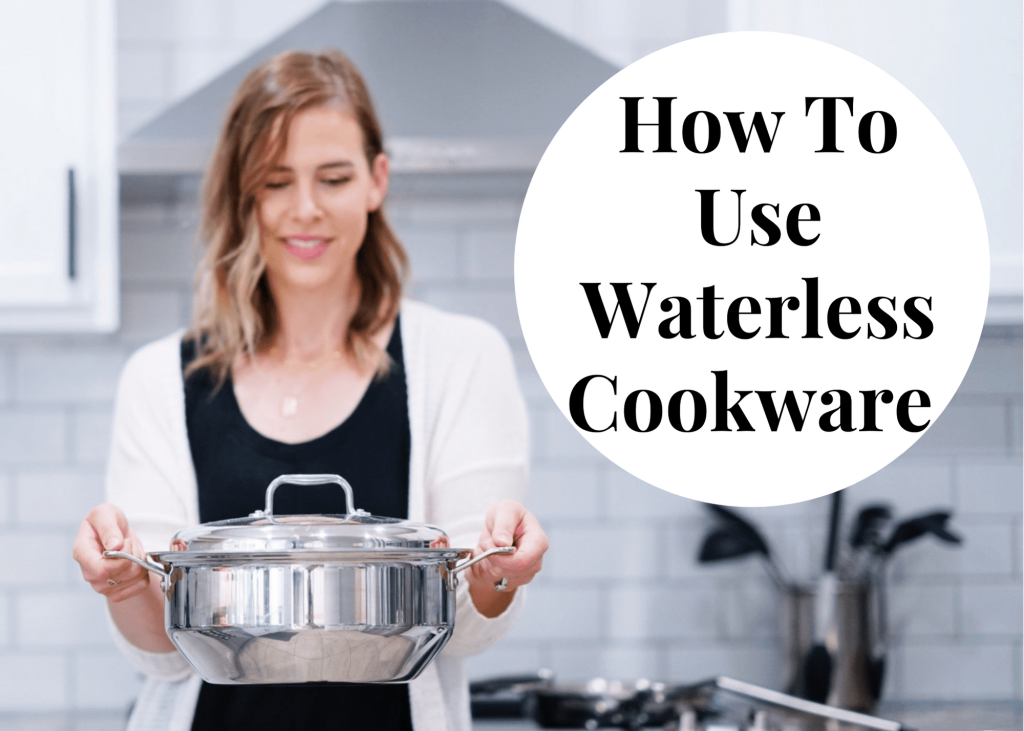
Imagine preparing a delicious, nutritious meal without losing the natural flavors and essential nutrients of your ingredients. Sounds too good to be true?
With waterless cookware, it’s not just possible; it’s remarkably easy. You might be wondering what makes waterless cooking different and why you should consider it for your kitchen. This method locks in moisture, enhances taste, and preserves vitamins, offering a healthier cooking option for you and your family.
With the right techniques and tools, you can transform the way you cook. Curious about how to get started with waterless cookware and make the most of its benefits? Stick around, and you’ll soon discover the secrets to a more flavorful and nutritious cooking experience.
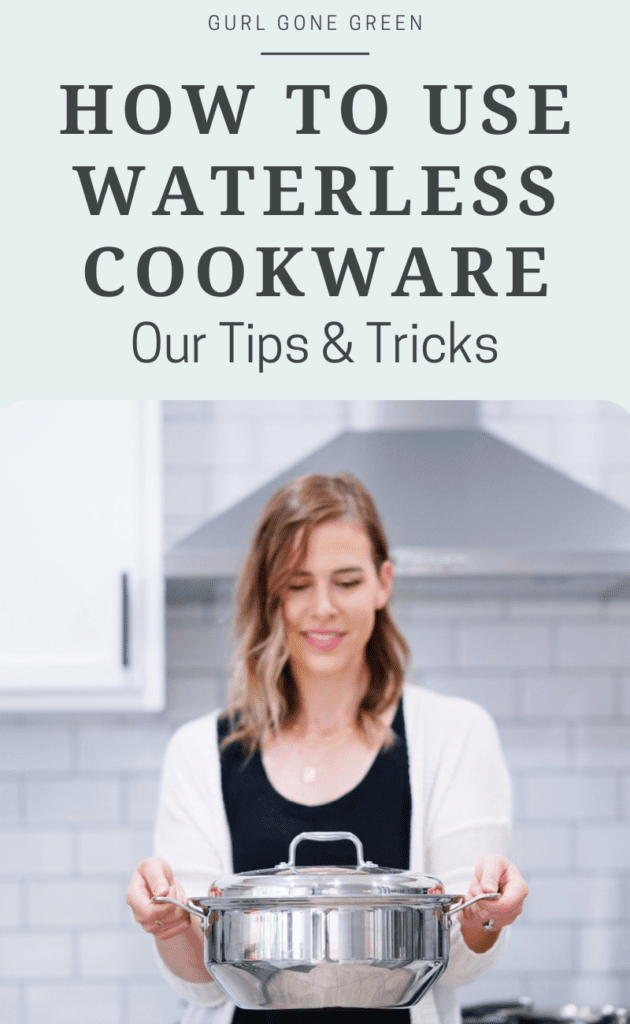
Credit: gurlgonegreen.com
Benefits Of Waterless Cookware
Waterless cookwarekeeps food’s natural flavor. It uses steam to cook food. This method saves vitamins and minerals. Food also tastes better.
Cooking is faster and needs less energy. This helps save on energy bills. The cookware is made of strong materials. It lasts a long time.
Cleaning is easy with waterless cookware. Food does not stick. Less oil is needed, making meals healthier.
Waterless cookware is safe to use. Handles stay cool. This prevents burns. The cookware is great for all types of food.
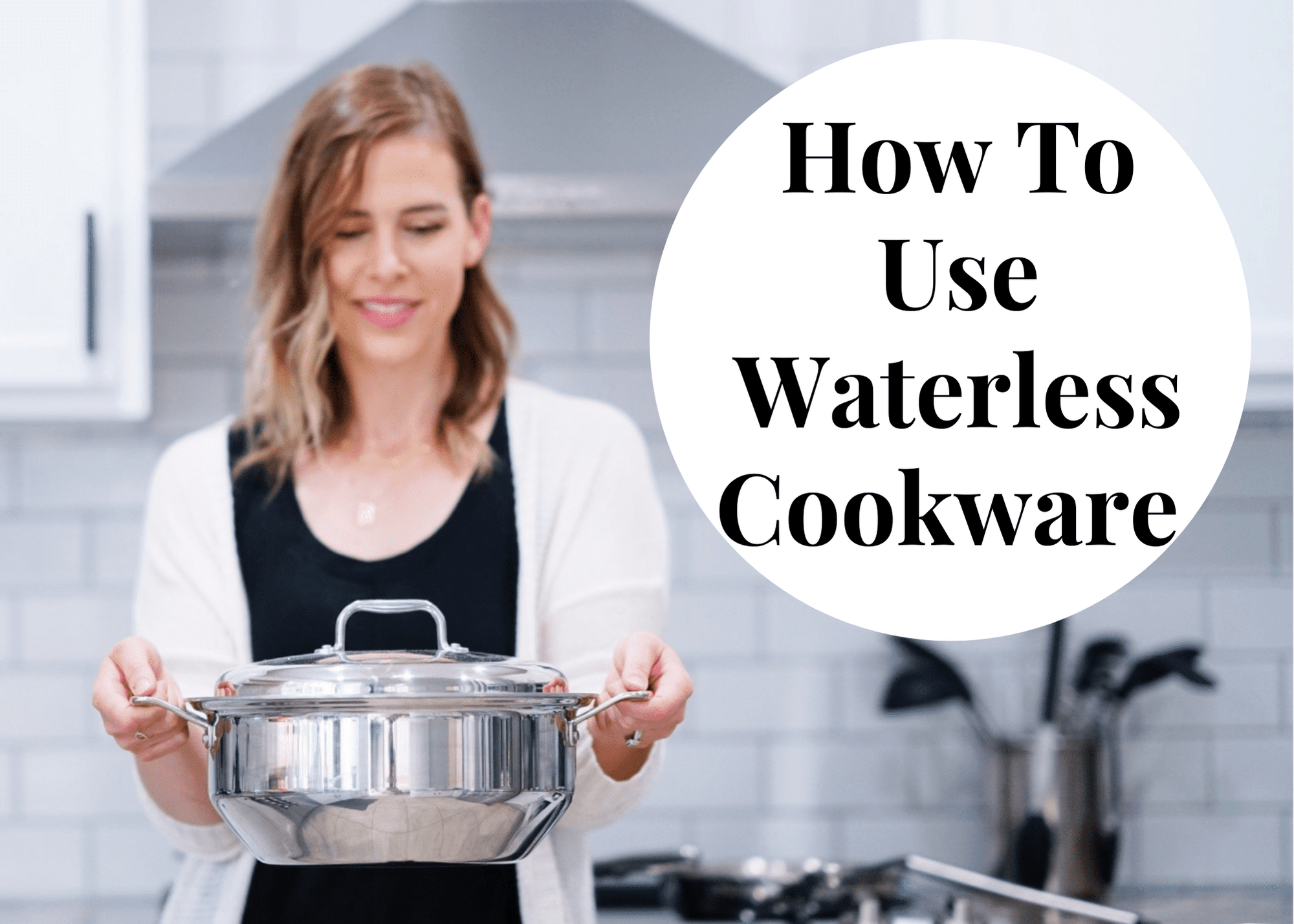
Credit: gurlgonegreen.com
Choosing The Right Waterless Cookware
Explore the benefits of waterless cookware to enhance your cooking experience. These innovative pots and pans use steam to cook food evenly, preserving natural flavors and nutrients. Choose durable materials like stainless steel for efficient heat distribution and long-lasting performance.
Material Options
Waterless cookware comes in different materials. Stainless steel is popular. It lasts long and is easy to clean. Aluminum is lightweight and heats quickly. It may react with acidic foods. Copper cooks food evenly. It needs regular polishing to stay shiny. Cast iron retains heat well. It is heavy and may rust without care.
Size And Shape Considerations
Size matters when picking cookware. Bigger pots cook more food. Smaller ones are easy to store. Round shapes fit well on stove burners. Square shapes offer more cooking space. Tall pots are good for soups. Shallow pans are best for frying. Choose sizes that fit your cooking style.
Preparing Ingredients
Fresh ingredients make meals tasty. Wash all vegetables and fruits well. Dirt can hide on leaves. Chop everything into even pieces. Small pieces cook faster and evenly. Use a sharp knife for safety.
Season food for flavor. Salt and pepper are basic choices. Herbs like basil or thyme add depth. Spices like cumin or paprika give warmth. Taste as you season. Add more if needed. Balance flavors for the best taste. Try lemon juice for freshness.
Mastering Waterless Cooking Techniques
Always use low to medium heat with waterless cookware. This helps in maintaining the right temperature. High heat can cause food to burn or stick. Patience is key here. Let the cookware do its job. The special lids create a seal. This traps steam and heat inside. The food cooks evenly without extra water.
Steam cooking is simple with waterless cookware. Place your ingredients in the pot. Cover with the lid tightly. The natural moisture in food creates steam. This method keeps vitamins and minerals in the food. No extra water is needed. Retain nutrients while cooking delicious meals. The result? Healthy and tasty dishes every time.
Common Mistakes To Avoid
Waterless cookware needs proper heat control to prevent burning food. Avoid opening lids often to keep moisture inside. Use the right pan size to ensure even cooking.
Overcooking
Overcooking is a common mistake. Waterless cookware heats quickly. Food cooks faster than usual. Keep an eye on the food. Check often to prevent burning. Lower the heat if needed. Use a timer to help. Follow recipes for cooking times. This helps keep food tasty and healthy.
Using Too Much Water
Waterless cookware needs very little water. Adding too much water ruins the taste. Natural juices from food are enough. Seal the lid tightly. This keeps the steam inside. Too much water makes food soggy. Read the instructions. Use just a splash if needed. Trust the process for the best results.
Cleaning And Maintenance
Rinse cookware with warm water after each use. Avoid using harsh scrubbers. A soft cloth works best. Use mild soap for sticky spots. Dry the cookware immediately to prevent water spots. Store with lids off to let air circulate. This keeps your cookware in top shape.
For stubborn stains, fill the pot with water. Add a little baking soda. Boil for a few minutes, then let it cool. Wipe away stains with a soft sponge. For burnt food, use a vinegar soak. Vinegar helps lift off the residue. Always dry cookware thoroughly after cleaning. This prevents rust and keeps it looking new.
Popular Recipes For Waterless Cooking
Cooking vegetables with waterless cookware keeps them crisp. They stay fresh and tasty. Start with carrots and broccoli. Place them in the pot. Cover with the lid. Turn on the heat. The natural juices cook the veggies. Add a pinch of salt for taste. Try potatoes too. Slice them thin. They cook faster. Green beans are another option. They stay bright and green.
Chicken and beef work well in waterless cookware. Begin with chicken breasts. Place them in the pot. Add some herbs. Cover and cook on low heat. The chicken stays juicy and tender. Beef stew is also easy. Cut beef into cubes. Add onions and carrots. Cover and let it simmer. The flavors mix well. Try lamb chops too. They cook evenly and taste great.

Credit: www.amazon.com
Frequently Asked Questions
How Does Waterless Cookware Work?
Waterless cookware uses a unique design to trap steam and moisture. It cooks food using its natural juices, preserving nutrients. The cookware’s heavy lid creates a seal, allowing even heat distribution. This method helps retain flavor while reducing the need for added water or oils.
How To Cook Potatoes In Waterless Cookware?
To cook potatoes in waterless cookware, wash and slice them evenly. Place in the cookware without adding water. Cover with the lid and cook on low heat until tender, around 20-30 minutes. The cookware retains moisture and flavor, ensuring delicious potatoes.
Is Waterless Cooking Healthy?
Waterless cooking is healthy. It retains more nutrients, vitamins, and minerals in food. Using less oil and water preserves natural flavors, offering a nutritious meal option. This cooking method is ideal for maintaining a balanced diet and supporting overall health.
Can Waterless Cookware Go In The Oven?
Yes, most waterless cookware is oven-safe. Always check the manufacturer’s guidelines for specific temperature limits. Using cookware in the oven enhances versatility, allowing you to cook various dishes effortlessly. Ensure handles and lids are oven-proof to avoid damage. Proper usage ensures longevity and optimal cooking results.
Conclusion
Cooking with waterless cookware offers many benefits. Healthier meals, conserved nutrients, and energy savings are just the start. These pots and pans make cooking simpler and quicker. Less mess, more flavor. Families can enjoy tasty meals without fuss. Waterless cookware is a smart choice for busy kitchens.
Experiment with new recipes. Try different ingredients and cooking methods. Discover the ease and efficiency that waterless cookware brings. Enjoy the journey of creating delicious meals. Make cooking an enjoyable experience every day. Transform your kitchen into a place of creativity and ease.