

Are you frustrated with your heavy duty slicer acting up just when you need it most? Whether you use it in a busy kitchen or for your personal projects, these machines can sometimes cause more headaches than help.
You might notice uneven cuts, strange noises, or even unexpected breakdowns that slow you down. Understanding the common problems with heavy duty slicers can save you time, money, and stress. Keep reading to discover what issues to watch for and how to fix them before they become bigger problems.
Your slicer should work smoothly—let’s make sure it does.

Credit: www.ampto.com
Blade Issues
Dull bladesmake slicing hard and unsafe. They cause uneven cuts and slow down work. Regular sharpening keeps blades sharp and efficient.
Blade alignment problemslead to uneven slices and can damage food. Misaligned blades also strain the motor. Checking and adjusting alignment often prevents issues.
Blade slippagehappens when the blade does not stay tight. This causes poor cuts and can be dangerous. Tightening blade screws and cleaning the blade area helps stop slippage.
Motor Troubles
Heavy duty slicers can have overheating issues. Motors work hard and get hot. Heat can damage parts over time. This can lead to costly repairs. Use the slicer in a cool place. Let the motor rest if it gets too hot.
A motor that won’t start can be frustrating. Check if the power cord is connected. Make sure the switch is on. Inspect for a blown fuse or tripped breaker. Sometimes, a simple reset can fix the problem.
Noisy motors can signal a problem. Grinding or buzzing sounds are not normal. These noises might mean loose parts or worn-out bearings. Regular maintenance can prevent these issues. Tighten loose screws and inspect the motor often.
Electrical Faults
Power supply problemscan cause heavy duty slicers to stop working. Loose plugs or damaged cords often lead to power loss. Check the outlet and cable for damage before use.
Faulty switchesmay prevent the slicer from turning on. Switches can wear out or get stuck over time. Replacing or cleaning the switch helps restore function.
Wiring issues inside the slicer are another common fault. Wires may become loose, frayed, or disconnected. These problems can cause sparks or complete failure.
- Check power cords and plugs regularly.
- Test the switch to ensure it works smoothly.
- Inspect internal wiring for wear or damage.
- Consult a professional for electrical repairs.
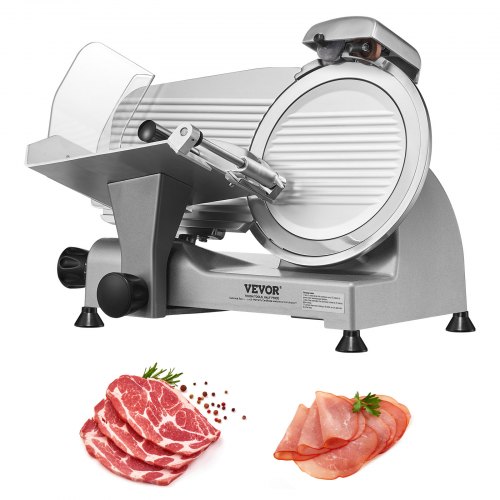
Credit: www.vevor.ca
Mechanical Malfunctions
Stuck carriageoften causes slicers to stop working smoothly. Dirt, food bits, or lack of oil can block the movement. Regular cleaning and oiling keep it running well.
Broken gearscan make the slicer noisy or stop it from slicing. Gears may wear out or snap from heavy use. Replacing damaged gears is key to fixing this problem.
Loose componentscause shaking and unsafe operation. Screws and bolts may loosen over time. Tightening parts regularly keeps the slicer steady and safe.
Safety Mechanism Failures
Safety guardson heavy duty slicers can wear out or become loose.
This can cause the guard to fail and expose sharp blades.
Loose or broken guards increase the risk of cuts and injuries.
Emergency stop buttons may also fail to workwhen needed.
This happens due to wiring issues or mechanical damage.
Without a working emergency stop, stopping the slicer quickly is hard.
Regular checks and maintenance help keep these safety featureseffective.
- Check guards for cracks or loose parts
- Test emergency stop buttons weekly
- Replace damaged components immediately
- Train staff to report safety problems

Credit: www.amazon.ca
Maintenance Tips
Cleaning heavy duty slicers after each use keeps them safe and sharp. Remove all food pieces to avoid bacteria growth. Use a soft cloth and mild detergent to wipe all parts carefully. Dry every piece well before reassembling. Never use harsh chemicals that can damage the slicer.
Lubricate the moving parts regularly to keep the slicer working smoothly. Use food-safe lubricant on gears and blades. Avoid over-lubrication as it can attract dirt and cause wear. Proper lubrication reduces friction and extends slicer life.
Scheduled inspections help catch problems early. Check blades for sharpness and replace if dull. Inspect the power cord and buttons for damage. Tighten loose screws and bolts. Regular checks prevent accidents and keep slicers running well.
Troubleshooting Tools
Essential tools help find issues with heavy duty slicers quickly. A multimeterchecks electrical parts for faults. A screwdriver sethelps open the slicer safely. Use a clean clothto wipe dust and food bits. A blade sharpenerkeeps blades in good shape. A lubricant sprayreduces friction on moving parts.
Testing with these tools can solve small problems fast. If the slicer still won’t work, it may need expert help. Call a professionalwhen:
- The slicer won’t turn on at all.
- Blades don’t move or cut well after sharpening.
- Strange noises or smells come from the machine.
- Electrical parts seem broken or burnt.
- Safety switches do not function properly.
Experts have special tools and skills. They fix problems safely and correctly.
Frequently Asked Questions
What Causes Heavy Duty Slicers To Malfunction?
Heavy duty slicers often malfunction due to dull blades, improper cleaning, or worn-out parts. Regular maintenance prevents most issues.
How To Prevent Blade Dullness In Heavy Duty Slicers?
Blade dullness occurs from frequent use and cutting hard materials. Sharpen blades regularly and avoid slicing frozen items to extend blade life.
Why Does My Heavy Duty Slicer Overheat Quickly?
Overheating happens when the motor is overworked or ventilation is blocked. Allow cooling breaks and clean vents to avoid motor damage.
How To Fix Uneven Slicing With Heavy Duty Slicers?
Uneven slicing results from misaligned blades or improper settings. Adjust blade alignment and thickness settings for consistent slices.
Conclusion
Heavy duty slicers face common problems like dull blades and motor issues. These troubles can slow down work and cause safety risks. Regular cleaning and maintenance help keep slicers running well. Always check parts for wear and tear to avoid breakdowns.
Choosing the right slicer for your needs reduces problems too. Taking care of your slicer saves time and money in the long run. Simple steps make a big difference in slicer performance and safety. Keep slicers sharp, clean, and well-maintained for best results.