
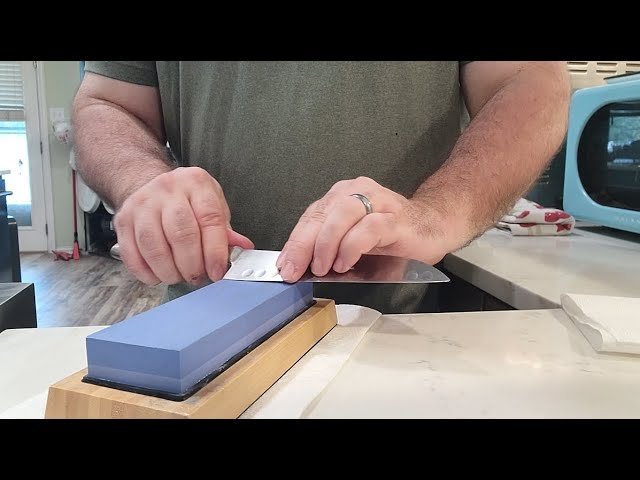
Is your slicer blade feeling dull and slowing you down? A sharp blade makes all the difference when slicing through meats, vegetables, or bread.
But don’t rush to buy a new one just yet—you can easily sharpen your slicer blade with a simple stone right at home. In this guide, you’ll discover step-by-step how to bring your blade back to life, save money, and enjoy smoother, safer slicing every time.
Keep reading, and you’ll be slicing like a pro in no time.
Tools Needed
A sharpening stone, water or oil for lubrication, and a clean cloth are essential tools. These help restore the slicer blade’s sharp edge safely and effectively.
Choosing The Right Sharpening Stone
Pick a stone that matches the blade’s material and sharpness level. Coarse stoneswork well for dull blades. Fine stonespolish and smooth edges. Consider a whetstoneor a diamond stone. Check the stone’s grit number; lower grit means rougher, higher means finer. Keep the stone wet or oiled as needed for best results.
Additional Supplies
- Clothto clean the blade and stone.
- Water or honing oilfor lubrication.
- Protective glovesfor safety.
- Clamp or holderto keep the blade steady.
- Flat surfaceto place the stone securely.

Credit: www.amazon.in
Preparing The Blade
Clean the blade thoroughly to remove dirt and old oil. Dry it well to prevent rust before sharpening. Secure the blade on a stable surface for safety and better control.
Cleaning The Slicer Blade
Use a soft cloth to clean the blade. Ensure the slicer is unpluggedbefore cleaning. Wipe away all food bits and grease. This keeps the blade safe for sharpening. A clean blade ensures a smoothsharpening process.
Safety Precautions
Always wear gloves to protect your hands. Keep fingers away from the blade edge. Ensure the workspace is well lit. This helps you see the blade clearly. Use a sturdy surface for sharpening. Avoid distractions to stay focused.
Sharpening Techniques
The correct anglefor sharpening a slicer blade is usually between 15 to 20 degrees. Keeping this angle steady helps keep the blade sharp and safe.
For stroke methods, use long, smooth strokes along the stone. Move the blade from the base to the tip to sharpen evenly. Repeat the same strokes on both sides of the blade.
Using water or oilon the sharpening stone helps reduce friction. It also carries away tiny metal pieces. Some stones work best with water, others with oil. Follow the stone’s instructions for best results.
Testing Sharpness
Testing sharpness is key after sharpening a slicer blade with a stone. Run the blade gently across a soft item like paper or a tomato. A clean cut shows the blade is sharp and ready to use.
Visual Inspection
Look closely at the blade edge. It should be smooth and even. Dull blades often have small chipsor rough spots. Hold the blade under light to see any shiny spotsthat show wear. A sharp blade has a clean, straight edgewith no bends or cracks.
Cutting Tests
- Try slicing a piece of paper. A sharp blade cuts cleanly without tearing.
- Cut a tomato. It should slice easily without squashing the fruit.
- Slice a thin piece of meat. The blade should glide smoothly.
- If cuts are jagged or hard, the blade needs more sharpening.
Maintaining Blade Sharpness
Keeping the slicer blade sharp is key for safe and easy cutting. Set a regular sharpening scheduleto maintain sharpness. Sharpen the blade every few uses or when it feels dull. Consistency helps prevent damage and keeps the slicer working well.
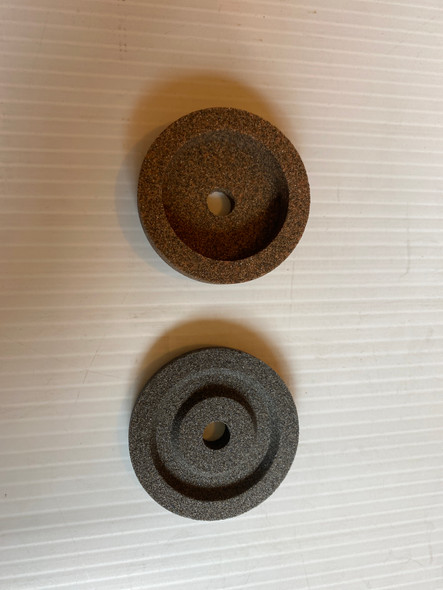
Proper storage also protects the blade. Store the slicer in a dry place to avoid rust. Use blade guards or covers to prevent nicks and cuts. Avoid dropping or banging the slicer, as this can dull the blade quickly.
Credit: packnifesales.com

Credit: packnifesales.com
Frequently Asked Questions
How Do I Sharpen A Slicer Blade With A Stone?
To sharpen a slicer blade with a stone, first clean the blade. Hold the blade at the correct angle and gently rub it against the stone. Use even, consistent strokes. Repeat until the blade is sharp and smooth.
What Type Of Stone Is Best For Sharpening Slicer Blades?
A fine-grit whetstone or sharpening stone is best for slicer blades. It smooths the edge without damaging it. Coarse stones are for very dull blades, while fine stones offer a polished, sharp finish.
How Often Should I Sharpen My Slicer Blade?
Sharpen your slicer blade every few weeks if used frequently. Regular sharpening maintains a clean cut and extends blade life. Inspect the blade for dullness and sharpen as needed.
Can I Use Any Sharpening Stone For Slicer Blades?
Not all stones are ideal. Use a whetstone designed for fine blades. Avoid rough or abrasive stones that can damage the slicer blade’s edge and reduce its effectiveness.
Conclusion
Sharpening a slicer blade with a stone keeps it effective and safe. Regular sharpening helps your blade cut smoothly every time. Use gentle, steady strokes to avoid damage. Keep your stone clean for best results. Sharpening takes only a few minutes but saves money.
A sharp blade makes food preparation easier and faster. Try this simple method to maintain your slicer blade today. Your kitchen work will feel easier and more precise.