
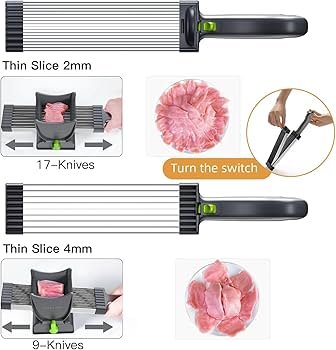
Choosing the right home slicer can feel overwhelming, especially if you’re new to it. You want a slicer that’s easy to use, safe, and fits your needs without wasting money.
Imagine slicing meats, cheeses, and veggies perfectly every time, making your meals look and taste better. In this guide, you’ll discover simple tips to pick the best slicer for your kitchen. Keep reading to make a smart choice that saves you time and effort every day.
Types Of Home Slicers
Manual slicers require hand effort to cut food. They are simple and cheap. Electric slicers use a motor to do the work. They save time and effort but cost more.
Belt driven slicers use a belt to spin the blade. They offer smooth slicing and good control. Gravity feed slicers let gravity move the food toward the blade. They are safer and easier for beginners.
Compact models take less space in your kitchen. Foldable slicers can be stored easily. Both types suit small kitchens and occasional use.
Key Features To Consider
Choosing a home slicer means checking blade size, safety features, and ease of cleaning. Think about your budget and how often you will use it. Quiet operation and adjustable thickness can make slicing simpler.
The blade size is very important. A small blade cuts small items. A big blade can handle larger foods. Choose the right size for your needs. Material matters too. Stainless steel blades are strong and last long. They are also easy to clean. Adjustable thickness settings help you slice food your way. Thick or thin, you decide. This feature makes your slicer more useful. You can slice bread, cheese, or meat just right. Safety features keep your fingers safe. Look for non-slip feet. A safety guard is also important. These features prevent accidents. Always use them for safety. The slicer should be easy to clean. Removable parts help a lot. They make cleaning fast and easy. Dishwasher-safe parts save you time. Clean slicers work better and last longer. `Budget And Pricing
Entry-level home slicers are usually the most affordable. They suit people who slice occasionally. These models have simple designs and basic features. They work well for soft foods like bread and cheese.
Mid-range slicers offer better build quality and more power. They slice a wider variety of foods, including meats and vegetables. These models often have adjustable thickness settings and safer blades.
Premium choices come with strong motors and sharp, durable blades. They are perfect for frequent use and heavy slicing jobs. These slicers often include extra safety features and easy cleaning options.
| Type | Price Range | Features | Best For |
|---|---|---|---|
| Entry-Level | Low | Basic, simple design | Occasional slicing, soft foods |
| Mid-Range | Medium | Adjustable thickness, better power | More frequent use, various foods |
| Premium | High | Strong motor, durable blade, safety | Heavy use, tough slicing tasks |
Credit: www.homehardware.ca
Space And Storage
Countertop spaceis key when choosing a home slicer. Some slicers are large and need more room. Measure your kitchen counter to ensure a good fit. Compact slicers work well for small spaces. Consider where you will use it daily.
Storage solutionshelp keep your kitchen tidy. Some slicers come with built-in storage for blades and parts. Others need separate storage space. Use shelves or cabinets to store the slicer safely. Keep it clean and dry to last longer.
| Space Aspect | Tips |
|---|---|
| Countertop Size | Measure before buying; choose compact models if needed |
| Storage Options | Use built-in compartments or find a safe spot in your kitchen |
| Daily Use | Place slicer where it is easy to access and clean |
Popular Brands And Models
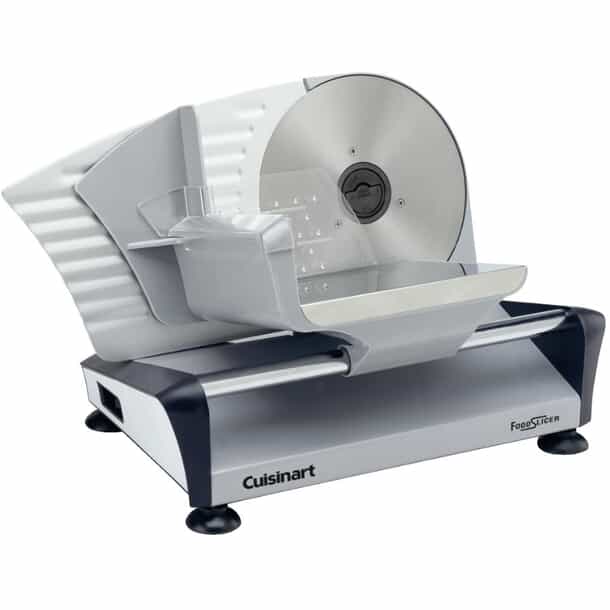
Many brands offer easy-to-use home slicersperfect for beginners. Some models have adjustable thicknesssettings and safety features. Popular brands include Oster, Chef’sChoice, and Cuisinart.
| Brand | Model | Key Feature | Price Range |
|---|---|---|---|
| Oster | FPSTSM01 | Adjustable Thickness | $50 – $70 |
| Chef’sChoice | 615A | Easy Cleaning | $80 – $110 |
| Cuisinart | FS-75 | Compact Design | $60 – $90 |
Customers say these slicers are quietand safe. Many like the clear instructionsand easy cleanup. Some reviews mention the slicer is lightweightand good for small kitchens.

Credit: www.amazon.ca
Maintenance Tips
Blade sharpeningkeeps your slicer cutting smoothly and safely. Use a sharpening tool often to avoid dull blades. Dull blades can cause uneven slices and increase risk of accidents.
Regular cleaningstops food buildup and keeps the slicer hygienic. Clean after every use with warm water and mild soap. Wipe all parts carefully and dry well to avoid rust.
- Handle the slicer with care.Always keep hands away from the blade.
- Use safety guardsif your slicer has them.
- Turn off and unplugbefore cleaning or adjusting.
- Store the slicerin a safe place out of reach of children.
Common Mistakes To Avoid
Always check for safety featureslike blade guards and non-slip feet. These reduce the risk of accidents. A slicer without safety parts can cause serious injuries.
Choosing the wrong blade sizecan make slicing hard. Bigger blades cut large items but may waste small foods. Smaller blades suit thin slices but take longer for big jobs.
Maintenance is key. Ignoring cleaningand blade sharpening can damage the slicer. Dirty blades do not cut well and can cause food contamination. Regular care keeps the slicer working well for a long time.

Credit: www.amazon.ca
Frequently Asked Questions
What Features Matter Most In A Home Slicer For Beginners?
Key features include adjustable thickness, safety guards, and easy cleaning. These ensure user-friendliness and versatility for beginners slicing various foods.
How Do I Choose The Right Blade For My Home Slicer?
Select blades based on the food type: serrated for bread, straight for meats and cheese. Interchangeable blades add flexibility.
Is Manual Or Electric Slicer Better For Beginners?
Electric slicers offer speed and consistency, ideal for frequent use. Manual slicers are affordable and simple, perfect for occasional slicing.
What Safety Tips Should Beginners Follow Using A Home Slicer?
Always use the food holder, keep fingers clear of the blade, and clean the slicer carefully after use to avoid accidents.
Conclusion
Choosing the right home slicer can make cooking easier and more fun. Think about what you will slice most often. Consider the size, safety features, and how easy it is to clean. A good slicer should fit your kitchen space and budget.
Take your time to compare different models before buying. This way, you get a slicer that suits your needs well. Enjoy fresh, even slices every time with the right tool. Simple steps lead to better cooking results and less hassle.