
Using a heavy duty meat slicer can make your kitchen work faster and easier. But without the right safety steps, it can also be dangerous.
You want to protect yourself and those around you from cuts and accidents. You’ll discover simple, effective safety tips that keep your meat slicer working smoothly and your hands safe. Keep reading to learn how a few smart habits can make a big difference every time you slice.
Choosing The Right Meat Slicer
Meat slicers come in several types, each suited for different needs. Manual slicersrequire hand power and are good for small jobs. Electric slicersuse a motor to slice quickly and evenly, ideal for busy kitchens. Heavy-duty slicershandle large amounts of meat with ease and last longer.
Important safety featuresto look for include:
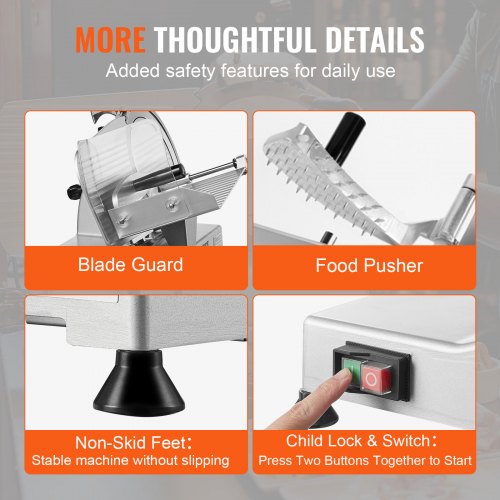
- Blade guardsto protect fingers from sharp edges
- Non-slip feetto keep the slicer stable during use
- Automatic shut-offto stop the blade when not in use
- Easy-to-clean partsto avoid food buildup and bacteria
Choosing a slicer with these features helps keep users safe and work efficient.
Preparing The Meat Slicer
Ensure all parts are in their right places. Secure the slicer on a flat surface. This prevents it from moving. Check that the blade is firmly attached. Loose blades can be dangerous. Plug in the machine carefully. Ensure the power cord is not damaged. Always keep the slicer clean before starting. Clean slicers work better and safer.
Look at the blade closely. Make sure there are no cracks or chips. A damaged blade can cause accidents. Check all the slicer components. Everything should be in good condition. Ensure the safety guard is working well. It protects your fingers from the blade. Always inspect before each use. Safety checks prevent injuries.
Safe Operating Practices
Protective gearis essential for safe meat slicing. Wear cut-resistant gloves to protect your hands. Use safety goggles to shield your eyes from debris. An apron keeps your clothes clean and safe. Always check the gear before starting.
Keep your hands away from the blade. Use the meat holder to push meat through the slicer. Never place fingers near the cutting area. Proper hand placement helps avoid accidents and injuries.
Stay alert and focused while using the slicer. Distractions can cause serious accidents. Take breaks if you feel tired. Always turn off the machine before cleaning or adjusting.
Cleaning And Maintenance
Always unplug the meat slicerbefore cleaning. Use a soft cloth and warm, soapy water to wipe down all surfaces. Avoid harsh chemicals that can damage the blade or parts. Remove the blade carefully to clean it separately. Dry all parts thoroughly to prevent rust.
Wear cut-resistant gloves during cleaning to protect your hands. Never use abrasive tools that can scratch the slicer. Clean the slicer after each use to maintain hygiene and performance.
| Maintenance Task | Frequency | Details |
|---|---|---|
| Blade Sharpening | Weekly | Use the built-in sharpener or a professional service |
| Lubrication | Monthly | Apply food-safe oil to moving parts to keep smooth |
| Safety Checks | Daily | Inspect guards and switches for proper function |
Handling Common Hazards
Heavy duty meat slicers can cause serious injuries if not handled carefully. Always keep hands away from the blade and use safety guards properly. Regular cleaning and maintenance also help prevent accidents.
Avoiding Blade Injuries
Always use the safety guardto cover the blade while slicing. Keep hands away from the sharp edges. Use a pusher or holder to hold the meat. Never try to catch falling slices with your hand. Turn off the slicer before cleaning or adjusting. Wear cut-resistant gloves for extra protection.
Preventing Electrical Risks
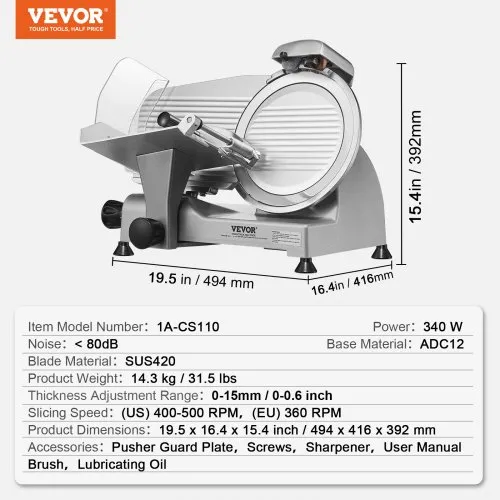
Check the power cord for damage before use. Ensure your hands are dry when plugging in the slicer. Use a grounded outlet to avoid shocks. Do not overload the circuit with other devices. Unplug the slicer when not in use or during cleaning. Follow manufacturer instructions for maintenance and repairs.
Credit: www.vevor.ca
Training And Supervision
Proper staff trainingis essential for safe meat slicer use. Employees should learn how to operate the slicer correctly. This includes understanding the controls and safety features. Training must cover how to clean and maintain the slicer safely.
Supervising new operatorshelps prevent accidents. New users need close monitoring until they are confident and skilled. Supervisors should watch for safe practices and correct mistakes immediately. This reduces the risk of injuries and damage.
- Teach all safety rules before using the slicer.
- Demonstrate correct slicing techniques.
- Explain the importance of using guards and safety devices.
- Check that new operators follow procedures strictly.
- Provide ongoing support and refresher training.
Emergency Response Tips
Stop the slicer immediatelyif an injury happens. Use the emergency button or unplug it to prevent more harm. Apply clean cloth or bandageto stop bleeding. For deep cuts, seek medical help right away.
Keep a first aid kit near the slicer for quick access. Make sure to clean and disinfect any tools used on wounds. Always wear protective gloves when giving first aid to avoid infections.
| Emergency Shutdown Procedures |
|---|
| Press the emergency stop button immediately. |
| Unplug the slicer from the power source. |
| Inform a supervisor or manager right away. |
| Do not restart the machine until it is checked. |

Credit: www.fooddocs.com

Credit: www.amazon.com
Frequently Asked Questions
How To Operate A Heavy Duty Meat Slicer Safely?
Always read the manual before use. Keep hands clear of the blade. Use the guard and pushers provided. Turn off and unplug before cleaning or maintenance.
What Protective Gear Is Essential For Meat Slicer Use?
Wear cut-resistant gloves to protect hands. Use safety goggles to shield eyes. Non-slip footwear helps maintain stability while operating the slicer.
How Often Should A Meat Slicer Be Cleaned?
Clean the slicer after each use to avoid contamination. Disassemble and sanitize all parts regularly. This maintains hygiene and ensures smooth operation.
What Are Common Hazards When Using A Meat Slicer?
Blade cuts, slips, and electrical shocks are common. Always stay focused and avoid distractions. Proper training reduces the risk of accidents.
Conclusion
Heavy duty meat slicers need careful handling every time. Always keep your hands clear of the blade. Use the safety guard and never rush your work. Clean the slicer regularly to avoid accidents and keep it working well. Stay focused and follow all safety rules.
Safe habits protect you and those around you. Small steps make a big difference in safety. Stay alert, work smart, and slice safely every day.