
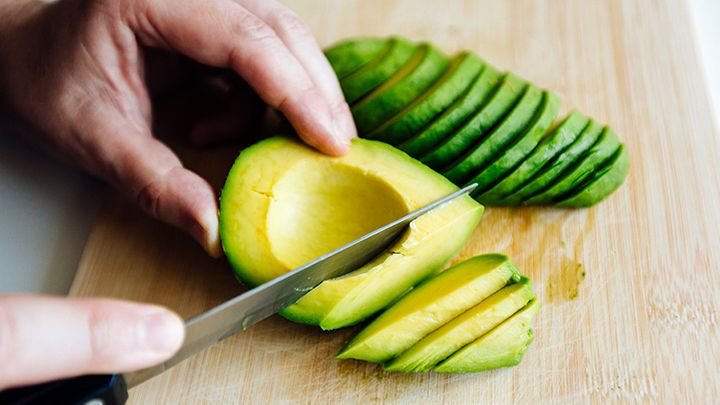
Are you tired of struggling to slice multiple portions quickly and neatly? Whether you’re preparing food for a family dinner or packing lunches for the week, efficient slicing can save you time and reduce frustration.
Imagine cutting through your ingredients smoothly, with every slice perfectly even and ready to serve. You’ll discover simple techniques and tools that make slicing multiple portions faster and easier than ever. Keep reading to transform your kitchen routine and impress everyone with your slicing skills!
Essential Tools For Slicing
Sharp knives, cutting boards, and guides help slice multiple portions quickly and evenly. Using the right tools saves time and keeps slices uniform. Simple equipment makes slicing easier and safer.
Choosing The Right Knife
Using a sharp knife makes slicing faster and safer. A chef’s knife works well for most tasks. For thin slices, a serrated knife is better. Keep knives clean and dry to avoid slips.
Using Cutting Boards
Choose a stable cutting board that does not move. Wooden boards are gentle on knives. Plastic boards are easy to clean. Always place a damp cloth under the board to stop slipping.
Additional Helpful Gadgets
- Mandoline slicer for quick, even slices.
- Knife sharpener to keep blades ready.
- Food holder to protect fingers.
- Measuring guide to cut equal pieces.

Credit: medium.com
Preparing Ingredients Properly
Clean ingredients make tasty food. Rinse under cold water. This removes dirt and germs. Use a clean towel to dry them. Wet ingredients slip. Dry ones are easy to handle.
Cool food is easier to slice. Put ingredients in the fridge. Chill them for a few minutes. Cold items hold shape better. This helps in cutting even slices.
Trimming removes unwanted parts. Use a small knife for better grip. Peel fruits and vegetables carefully. Keep fingers safe from sharp edges. Good peeling makes cooking faster.
Techniques For Quick Slicing
Hold the knife firmlywith your dominant hand. Wrap your fingers around the handle. Keep your thumb and index finger on the blade’s base for control.
Your other hand should hold the food securely. Curl your fingers inward to protect them. This position helps guide the knife and keeps fingers safe.
| Tip | Details |
|---|---|
| Use a sharp knife | Sharp blades make clean cuts and reduce effort. |
| Use consistent motions | Cut with a smooth, steady rocking motion. |
| Maintain even slices | Use your knuckles as a guide for thickness. |
Balance speed with precision. Rushing causes uneven cuts or accidents. Slow down if slices look uneven.
Practice helps improve both speed and accuracy. Focus on smooth, controlled movements. Soon, slicing becomes easier and faster.

Credit: medium.com
Slicing Multiple Portions Safely
Use the claw gripto hold food safely. Tuck fingers inward and hold the item with knuckles facing the knife. This keeps fingertips away from the blade.
Slicing in batches helps keep the process fast and safe. Cut a few pieces at a time, then rest your hand and reset the food position.
- Keep knives sharp for cleaner cuts and less force.
- Use a stable cutting board to avoid slips.
- Cut slowly and focus on the task to prevent accidents.
- Wear a cut-resistant glove if you feel unsure.
Maintaining Knife Sharpness
Sharp knives make slicing faster and safer. Keep the blade honed to cut through multiple portions smoothly without tearing or crushing. Consistent, even cuts save time and improve presentation.
Regular Sharpening Methods
Use a sharpening stone or a honing rod to keep knives sharp. Sharpen knives every few weeks or when they feel dull. Hold the knife at a 20-degree angle on the stone. Move the blade in smooth strokes across the stone. Honing rods realign the blade edge and can be used often. Avoid using electric sharpeners too much; they can remove too much metal.
Storing Knives Properly
- Store knives in a wooden block or on a magnetic strip.
- Avoid keeping knives loose in drawers to prevent damage.
- Keep blades dry to stop rust and corrosion.
- Cover blades with a sheath if stored in drawers.
Signs Of Dull Blades
Dull knives need more force to cut food. They often slip and cause accidents. Slices look uneven or crushed instead of clean. The knife feels rough or catches on food. Regular checks help keep blades sharp and safe.
Credit: www.yahoo.com
Cleaning And Storing Sliced Portions
Use airtight containersor resealable bags for storing sliced portions. These containers keep food fresh longer and prevent spills.
To prevent oxidation, place a small piece of plastic wrap directly on the food’s surface. This limits air contact and keeps slices fresh. For fruits like apples or avocados, a little lemon juice helps slow browning.
- Label each containerwith the date and type of food.
- Organize containers by date in the fridge or freezer.
- Use older slices first to avoid waste.
Frequently Asked Questions
What Tools Help Slice Multiple Portions Efficiently?
Using sharp knives or electric slicers ensures quick, clean cuts. Proper tools reduce effort and improve portion consistency.
How Do I Maintain Uniform Portion Sizes When Slicing?
Measure portions with a ruler or portion guide. Consistent sizes ensure even cooking and better presentation.
What Safety Tips Improve Slicing Efficiency?
Keep knives sharp and use a stable cutting board. Always cut away from your body and wear cut-resistant gloves if needed.
Can I Prepare Multiple Portions Ahead Of Time?
Yes, slice portions in advance and store them properly. Use airtight containers or wrap to preserve freshness.
Conclusion
Slicing multiple portions does not have to be hard. Use the right tools and steady hands. Cut slowly and measure each slice carefully. Keep your workspace clean and organized. Practice helps you improve speed and accuracy. Small changes make a big difference over time.
Enjoy your meals with perfectly sliced portions. Stay safe and take your time. This simple skill saves effort and reduces waste. Try these tips to slice smarter every day.