
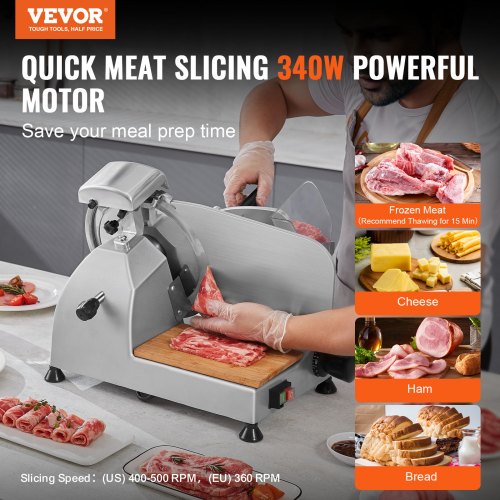
Slicing large cuts of meat can feel like a tough, messy job. But with the right heavy duty slicer and a few simple techniques, you can turn this task into a smooth, easy process.
Imagine serving perfectly even slices every time—juicy, tender, and ready to impress. In this guide, you’ll learn how to handle your slicer safely and effectively, so your next meal looks as good as it tastes. Ready to master the art of slicing large cuts of meat?
Let’s dive in.
Choosing The Right Slicer
Heavy duty slicers come in different types, each suited for certain tasks. Some are manual, requiring hand power. Others are electricand cut faster with less effort. Choose based on how often and how much meat you slice.
| Blade Size | Material | Purpose |
|---|---|---|
| 10-12 inches | Stainless Steel | General slicing for large cuts |
| 12-14 inches | Carbon Steel | Heavy slicing; tough meats |
Safety is key. Look for slicers with blade guardsand automatic shut-off. Non-slip feet keep the slicer steady. Easy-to-clean parts help keep the machine safe and hygienic.
Credit: www.temu.com
Preparing The Meat
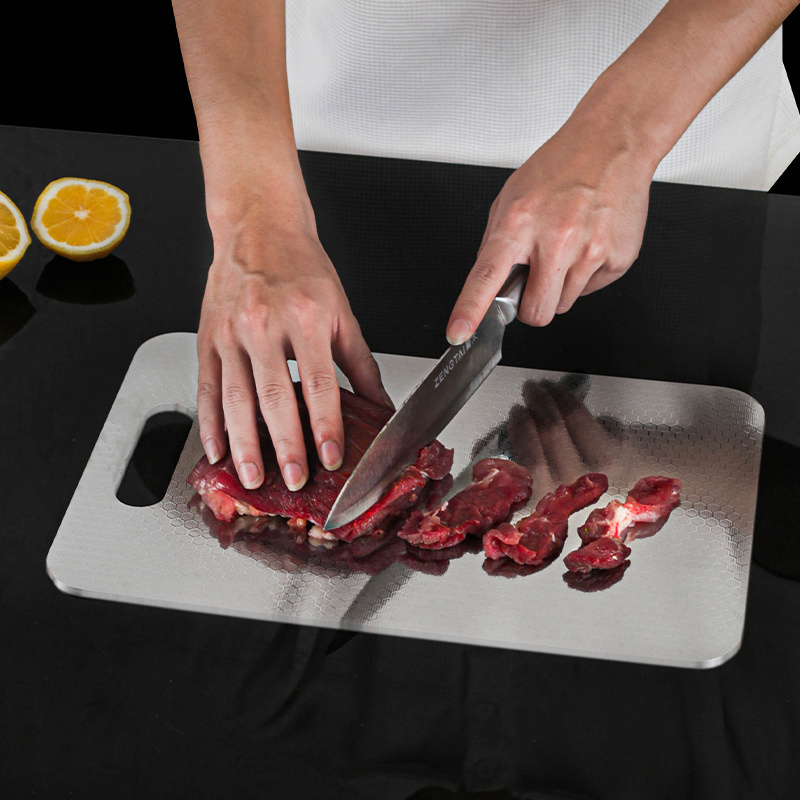
Remove the extra fat for better slicing. Use a sharp knife for this job. This makes the meat easier to slice. Excess fat can make slicing tricky. Aim for smooth and even cuts.
Cold meat is firm and easier to slice. Place the meat in the fridge before slicing. A few hours are often enough. This helps in keeping the slices neat. Chilled meat does not wobble much.
Secure the meat well before slicing. This prevents slipping. Use a sturdy surface or board. Holding the meat tightly helps. It ensures even and safe cuts. A stable base is key.
Adjusting Slicer Settings
Adjust the slicer’s thickness setting to control meat slice size. Thinner slices cook faster and are good for sandwiches. Thicker slices work well for roasts or steaks. Turn the thickness dial slowly to avoid sudden jumps.
Control slicer speed based on meat type. Slow speed offers smooth, even cuts for tough cuts. Faster speed suits softer meats but watch for uneven slices. Match speed to thickness for best results.
Keep the blade sharp before use. A dull blade tears meat and is unsafe. Clean the blade with warm water and mild soap. Dry completely to prevent rust. Check blade tightness and replace if damaged.
Credit: cutleryandmore.com
Slicing Techniques
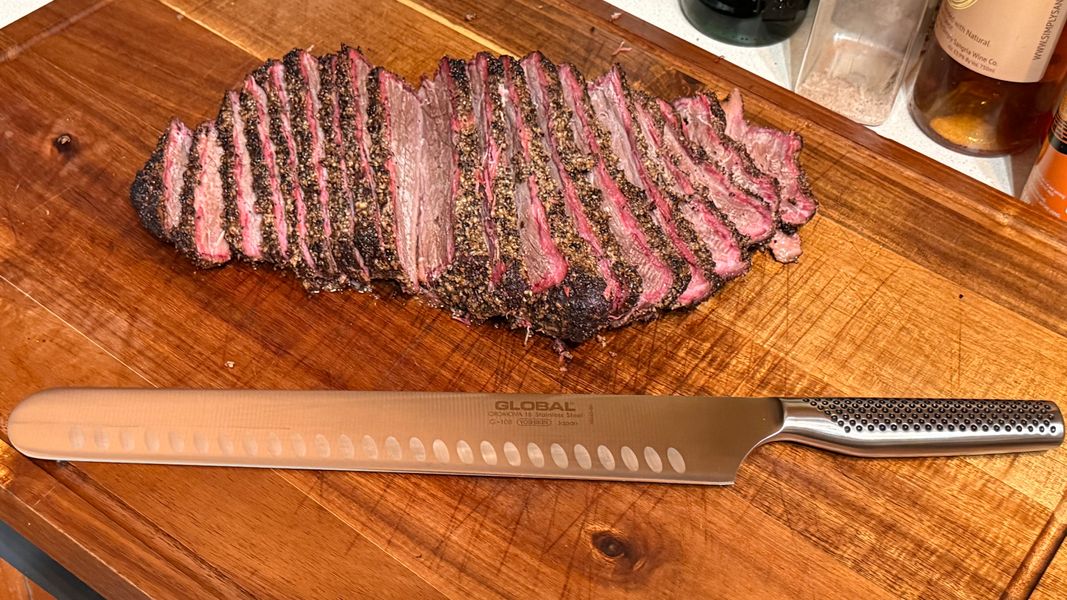
Use smooth, even strokesto slice large cuts of meat. This keeps the slices uniformand prevents tearing. Hold the slicer steady and move the meat at a steady pace.
Maintain consistent pressureon the slicer handle. Too much force can crush the meat, while too little causes uneven cuts. Find a balance for clean, precise slices.
- Avoid pushing too hard; it damages the blade and meat.
- Do not rush; slow slicing gives better results.
- Keep fingers clear of the blade at all times.
- Clean the slicer regularly to prevent slipping.
Safety Practices
Protective gearkeeps you safe while slicing large meat cuts. Always wear cut-resistant glovesand a sturdy apron. Eye protection is a must to guard against splashes or debris. Closed-toe, non-slip shoes prevent falls in the kitchen.
Handle the slicer with care. Never put your hands near the sharp bladewhen it is on. Use the meat holder or guard to keep hands safe. Always switch off the machine before cleaning or adjusting it.
| Emergency Procedure | Action |
|---|---|
| Blade contact injury | Turn off slicer, apply pressure, seek medical help |
| Electrical malfunction | Unplug slicer immediately, do not touch with wet hands |
| Machine jam | Turn off power, wait before clearing jam |

Credit: 999fengxiang.en.made-in-china.com
Cleaning And Maintenance
Disassembling the slicer allows for a thorough clean. Start by unplugging the machine. Remove the blade guard carefully. Take off the slicing blade and other removable parts. Use a soft cloth to avoid scratches.
Proper cleaning methods include washing parts with warm, soapy water. Rinse well to remove all soap. Dry each piece completely before reassembling. Avoid harsh chemicals that can damage the slicer. Clean the main body with a damp cloth only.
- Check blade sharpness regularly.
- Lubricate moving parts with food-safe oil.
- Tighten screws and bolts as needed.
- Store the slicer in a dry place.
- Inspect the power cord for damage.
Troubleshooting Common Issues
Blade dullinghappens after long use. Dull blades cut unevenly and slow down work. Sharpen blades often with a proper tool. Always clean the blade to stop rust and keep sharpness. Replace blades if sharpening does not help.
Uneven slicescan be caused by wrong blade angle or loose parts. Check the blade alignment before slicing. Make sure meat is held firmly in place. Use steady pressure for even cuts. Adjust thickness settings carefully for uniform slices.
Mechanical problemsinclude motor issues and stuck parts. Listen for strange sounds during operation. Clean inside parts to remove debris. Lubricate moving parts regularly. Tighten screws and bolts to avoid loose parts. Contact a technician for serious repairs.
Frequently Asked Questions
How Do I Prepare Meat For A Heavy Duty Slicer?
Trim excess fat and remove bones before slicing. Chill meat for firm texture. Cut into manageable sizes to ensure smooth slicing.
What Safety Tips Should I Follow When Slicing Meat?
Always use a sharp blade and a slicer guard. Keep hands away from the blade. Turn off the slicer before cleaning or adjusting.
How Thick Should I Slice Large Cuts Of Meat?
Adjust the slicer to your preferred thickness, typically between 1/8 to 1/4 inch. Thinner slices cook evenly and are easier to eat.
How Do I Maintain My Heavy Duty Meat Slicer?
Clean the slicer after every use with warm, soapy water. Lubricate moving parts regularly. Sharpen the blade to keep it efficient and safe.
Conclusion
Slicing large cuts of meat becomes easy with the right heavy-duty slicer. Keep the blade sharp and steady for best results. Always follow safety rules to avoid accidents. Take your time and slice evenly for uniform pieces. Clean the slicer after every use to keep it working well.
Practice makes perfect, so don’t rush. Enjoy tender, well-cut meat every time you use your slicer. This simple process saves time and effort in the kitchen.